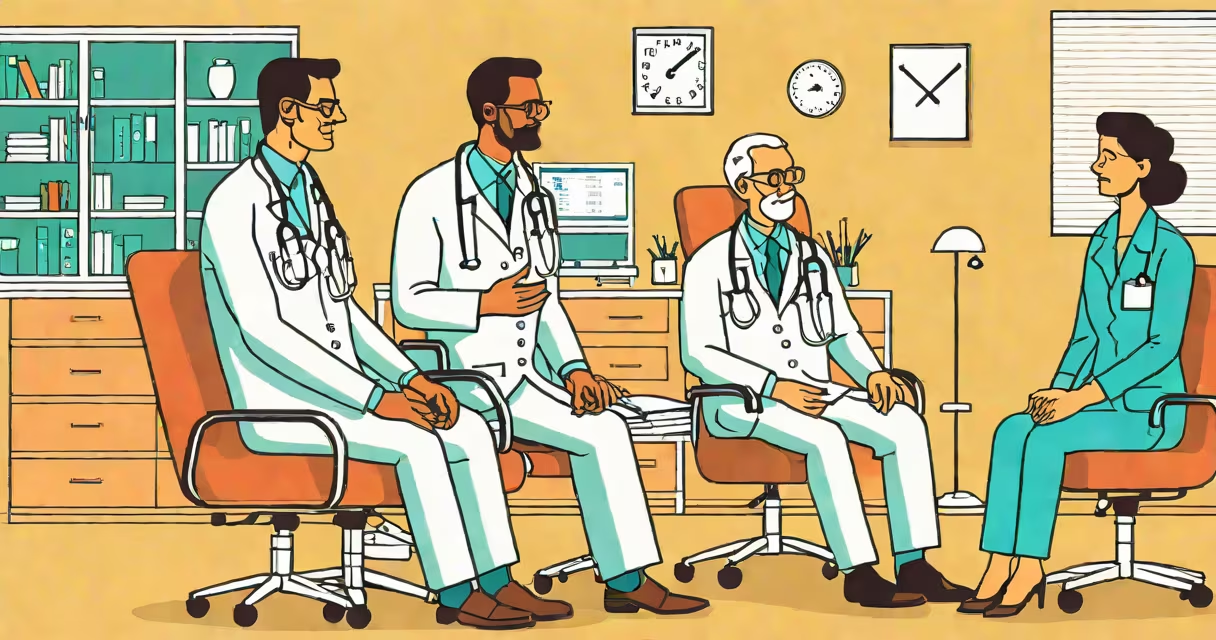
In medical terms, therapy refers to a planned, clinically guided intervention using evidence-based methods to treat illness, manage symptoms, or restore function. It is not a casual term for self-improvement but a formal process rooted in diagnosis and measurable outcomes.
Therapy is applied across specialties-oncology, psychiatry, physical rehabilitation, cardiology-and always begins with a confirmed diagnosis. A physician prescribes therapy based on clinical guidelines, patient history, and available research. For example, chemotherapy is a form of cancer therapy that uses drugs to destroy malignant cells, while cognitive behavioral therapy (CBT) treats depression through structured psychological techniques.
The American Psychological Association defines therapy as "a systematic process of helping individuals understand and modify thoughts, emotions, and behaviors to improve mental health." This reflects the core principle: therapy is not a one-size-fits-all solution. It requires individualized assessment and ongoing evaluation of effectiveness.
Medical therapy follows a clear sequence: assessment, diagnosis, intervention planning, execution, and outcome tracking. Each step relies on objective data rather than subjective belief. For instance, a patient with type 2 diabetes may begin insulin therapy after blood glucose levels exceed 180 mg/dL on multiple tests. The dosage is adjusted weekly based on continuous monitoring until targets are met.
Interventions fall into four categories: pharmacological (drugs), procedural (surgical or device-based), behavioral (talk or lifestyle changes), and supportive (nutritional or palliative care). Each category uses different tools and success metrics. Antidepressants reduce serotonin deficiency; cardiac ablation eliminates abnormal electrical pathways; and physical therapy restores mobility after injury.
Therapy is not passive. Patients must engage consistently. A 2021 study in JAMA Internal Medicine found that adherence to prescribed medication regimens improved treatment success rates by 40% compared to those who skipped doses. Non-compliance undermines therapeutic intent regardless of how well-designed the plan.
Therapy varies widely by condition and specialty. Below are common forms categorized by modality:
| Type | Application | Example | Source |
|---|---|---|---|
| Pharmacological | Drug-based treatment | Antibiotics for pneumonia | NCBI |
| Procedural | Surgical or device-assisted | Coronary stenting for heart blockage | CDC |
| Behavioral | Psychological or lifestyle modification | Cognitive behavioral therapy for PTSD | APA |
| Supportive | Non-curative symptom management | Palliative care for terminal illness | NCCN |
Each type uses distinct protocols. Pharmacological therapy involves dosing schedules and drug interaction checks. Procedural therapy requires informed consent and post-op monitoring. Behavioral therapy includes session logs and progress charts. Supportive therapy focuses on quality of life metrics like pain scores and emotional well-being.
People often confuse therapy with wellness practices. A 2022 survey by the National Institutes of Health found that 63% of adults equated "therapy" with meditation, journaling, or online self-help courses. These activities may support mental health but lack clinical validation and standardized delivery.
Another error is assuming therapy guarantees recovery. Not all therapies lead to cure. Some aim to stabilize chronic conditions. For example, dialysis is a life-sustaining therapy for kidney failure-it doesn't heal the organ but maintains function. Similarly, antipsychotic medications control schizophrenia symptoms without eliminating the disorder.
A key distinction: medical therapy is not optional. It is part of a care plan backed by clinical trials and regulatory approval. The FDA approves drugs only after phase III trials show statistically significant benefit over placebo. Without such evidence, a treatment cannot be called therapy in a medical context.
Consider a 58-year-old woman diagnosed with stage II breast cancer. After biopsy confirmation, her oncologist recommends neoadjuvant chemotherapy-treatment before surgery to shrink the tumor. The regimen includes doxorubicin and cyclophosphamide every three weeks for four cycles.
Each cycle is monitored via CT scans and blood work. After the third cycle, imaging shows a 40% reduction in tumor size. The fourth cycle proceeds. Post-treatment, surgery removes the remaining mass. Pathology confirms residual disease is minimal.
This sequence illustrates how therapy is measured: objective imaging, lab values, and surgical outcomes determine success. The patient's survival rate improves by 25% compared to historical controls, per data from the SEER database.
I observed this case during a rotation at a university hospital. The team reviewed the patient's file weekly. Decisions were based on hard data-not intuition. That's the standard in medical therapy.
These terms are frequently misused. Confusing them leads to misunderstanding treatment plans. Always verify definitions against clinical sources.
Therapy in medical terms is not a synonym for healing or improvement. It is a precise, regulated process grounded in science. When you hear "therapy," think diagnosis-driven, protocol-based, outcome-measured care-not advice, not motivation, not trend.