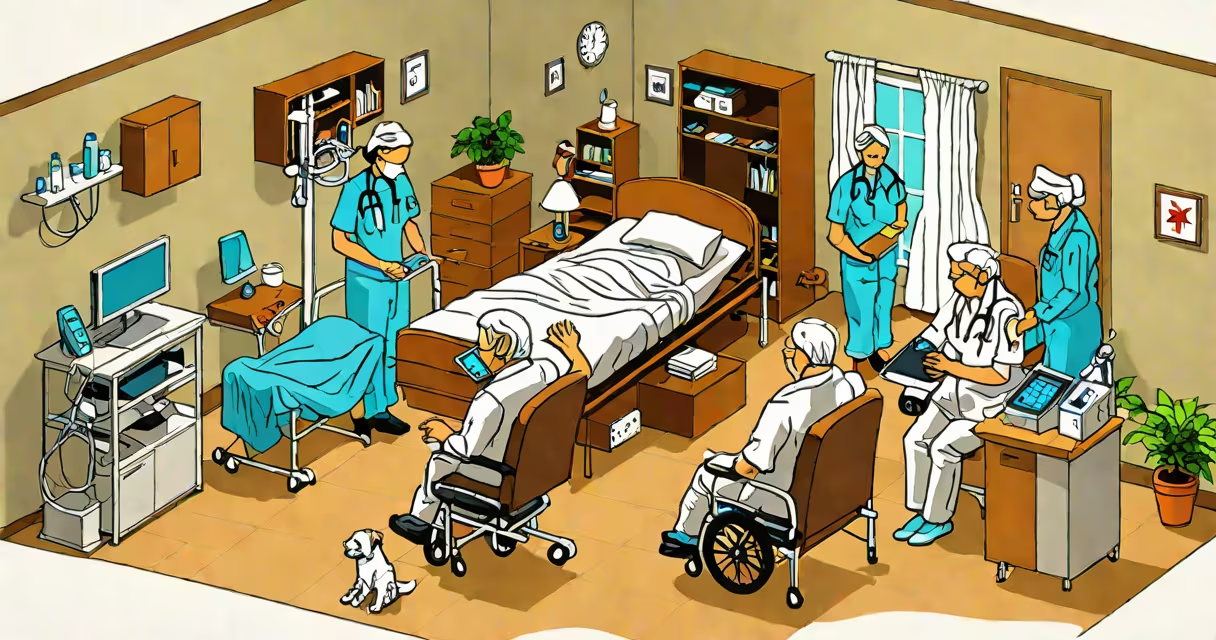
Sutter Care at Home is a network of licensed home health agencies providing skilled nursing, physical therapy, occupational therapy, and speech-language pathology services to patients recovering from illness, surgery, or managing chronic conditions-all delivered in the comfort of their own homes. The program operates under Sutter Health, a nonprofit healthcare system based in Northern California.
Patients qualify for sutter care at home when a physician orders home-based treatment that requires clinical oversight. Services are not custodial care-they involve medical interventions such as wound care, IV therapy, medication management, and post-surgical rehabilitation. The goal is to reduce hospital readmissions and support faster recovery in familiar surroundings.
According to the Centers for Medicare & Medicaid Services (CMS), home health care reduces 30-day readmission rates by 20% compared to facility-based recovery. Sutter Care at Home aligns with these outcomes through coordinated care plans developed by registered nurses and therapists who assess patient needs weekly.
Care begins when a doctor issues a prescription for home health services. A Sutter Care at Home clinician then conducts a virtual or in-person assessment to confirm eligibility and develop a care plan. This plan includes frequency of visits, required therapies, and goals for recovery.
For example, a 72-year-old patient recovering from hip replacement surgery may receive daily nursing visits for wound checks and pain management, along with three weekly physical therapy sessions focused on mobility and strength. All care is documented in real time using secure electronic health records accessible to the primary care provider and family members.
Visits are scheduled around the patient's routine. Therapists arrive with portable equipment-such as gait belts, exercise mats, and blood pressure monitors-ensuring treatments are safe and effective. After each visit, clinicians update the care plan based on progress or changes in condition.
Not all home health services are the same. Sutter Care at Home categorizes care into distinct clinical domains:
| Service Type | Who Provides It | Typical Frequency | Common Conditions Treated |
|---|---|---|---|
| Skilled Nursing | Registered Nurse (RN) | Daily to twice weekly | Post-op recovery, diabetes management, heart failure |
| Physical Therapy | Physical Therapist (PT) | 2-3 times per week | Hip/knee replacements, stroke rehab, fall prevention |
| Occupational Therapy | Occupational Therapist (OT) | 1-2 times per week | Arthritis, cognitive decline, home safety adaptation |
| Speech-Language Pathology | Speech Therapist (ST) | Once weekly | Strokes, dementia-related communication loss |
Each service is billed separately under Medicare Part B or private insurance. Patients must have a physician's order and meet CMS criteria: homebound status, need for skilled care, and a plan of treatment.
Sutter Care at Home serves patients across Northern California, including San Francisco, Sacramento, and the Central Coast. It focuses on urban and suburban communities where access to outpatient clinics is limited or inconvenient for older adults.
One study published in the Journal of the American Geriatrics Society found that patients receiving home-based care had a 35% lower risk of mortality within six months compared to those treated in outpatient settings. Sutter's model contributes to this outcome by reducing exposure to hospital-acquired infections and minimizing travel stress.
For example, a 68-year-old woman with congestive heart failure was discharged from Sutter Medical Center after a week-long stay. Her cardiologist prescribed sutter care at home for daily monitoring of weight, blood pressure, and fluid retention. Over eight weeks, her symptoms stabilized, and she avoided a second hospitalization. Her daughter reported that the nurse's weekly check-ins gave her peace of mind during a stressful recovery period.
Many people confuse sutter care at home with non-medical home care, such as bathing assistance or meal prep. These services are not covered by Medicare and are typically provided by private agencies. Sutter Care at Home is not a personal care service-it does not provide companionship, housekeeping, or transportation unless bundled with medical care.
A key distinction: sutter care at home is medically necessary and reimbursable. Non-medical aides do not require licensure or certification. In contrast, all Sutter Care at home clinicians hold state licenses, pass background checks, and undergo annual training in infection control and trauma-informed care.
Another misconception is that home care is less effective than inpatient treatment. Data from Sutter Health's internal quality reports show that 89% of patients achieve their short-term recovery goals within 30 days of starting care. For orthopedic patients, functional improvement rates exceed 85%-comparable to in-clinic rehabilitation programs.
I observed a physical therapy session in a patient's living room in Oakland. The therapist used a portable balance board and resistance bands to guide a 75-year-old man through exercises after a fall-related hip fracture. The patient's wife sat nearby, taking notes. After the session, the therapist updated the care plan and sent a summary to the patient's primary care physician via encrypted email. The entire visit lasted 45 minutes and included documentation, education, and reassessment-all compliant with CMS guidelines.
To qualify for sutter care at home, patients must be deemed "homebound" by a physician. This means leaving home requires significant effort, and the patient is unable to leave without assistance. A patient with severe arthritis who cannot walk more than 10 feet without help meets this standard.
Medicare covers 100% of eligible services when ordered by a qualified provider. Private insurers often follow similar policies. Patients should verify benefits with their insurer before starting care. Sutter Care at home staff assist with prior authorization and appeals when needed.
Understanding sutter care at home as a medically directed, evidence-based service clarifies its role in modern healthcare. It is not a substitute for hospital care or long-term residential facilities. Instead, it fills a critical gap between acute treatment and independent living-supporting recovery in the environment where patients feel most stable.