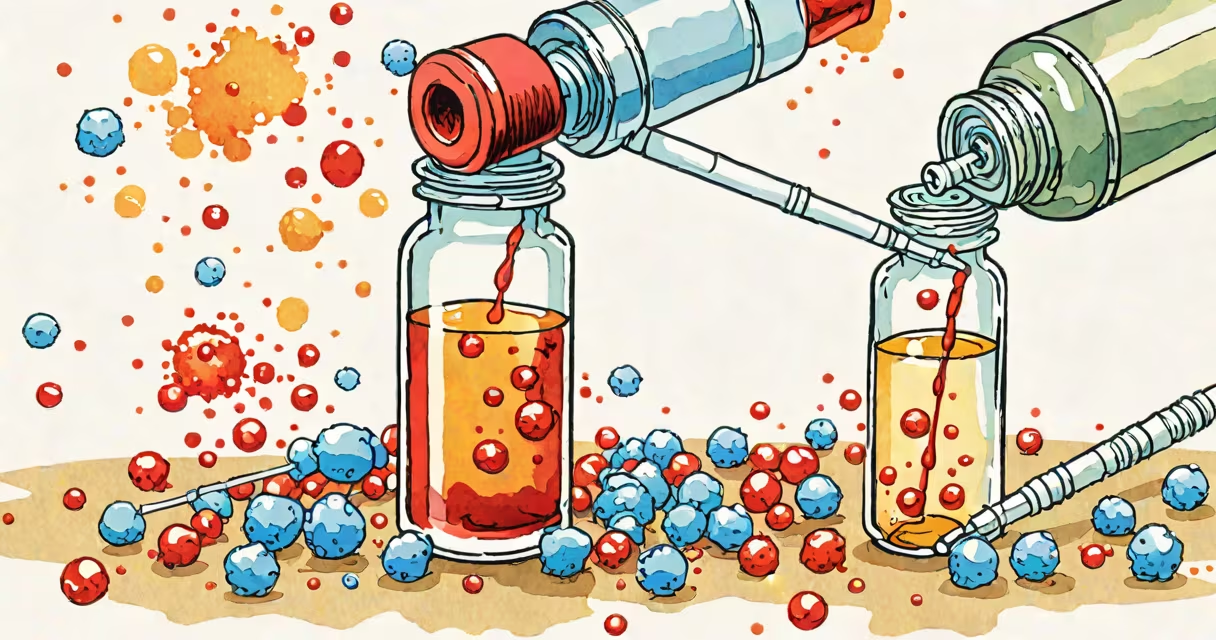
A vaccine is a biological preparation that stimulates the body's immune system to recognize and destroy a specific pathogen-such as a virus or bacterium-without causing the disease itself. It contains antigens derived from the pathogen, which prompt an immune response and create long-term memory against future infection.
Vaccines are among the most effective tools in preventive medicine. They reduce the spread of infectious diseases by building population-wide immunity. The World Health Organization (WHO) estimates that vaccines prevent 2-3 million deaths annually, with additional lives saved through herd immunity.
When administered, a vaccine introduces a harmless version of a pathogen-either a dead or weakened form, a piece of its protein, or genetic material coding for a viral protein. This triggers the production of antibodies and activates T-cells, preparing the body to respond rapidly if exposed to the real pathogen later.
The immune system detects foreign substances called antigens. A vaccine delivers a controlled dose of antigen from a pathogen, allowing the body to practice fighting it without getting sick. After exposure, B-cells produce antibodies tailored to neutralize the threat. T-cells identify and destroy infected cells.
Memory cells remain in the bloodstream for years-sometimes decades. If the actual pathogen enters the body later, these cells activate quickly, preventing illness or reducing severity. This process is known as adaptive immunity.
For example, the measles vaccine contains a weakened live strain of the measles virus. After injection, the immune system mounts a response. If the person encounters wild measles later, the immune system recognizes it instantly and eliminates it before symptoms develop.
There are several categories based on how they deliver antigenic material:
| Type | How It Works | Examples |
|---|---|---|
| Live Attenuated | Uses a weakened but still alive version of the pathogen | MMR (measles, mumps, rubella), varicella (chickenpox) |
| Inactivated | Uses killed pathogens | Polio (IPV), hepatitis A |
| Subunit/Recombinant | Contains only pieces of the pathogen (proteins or sugars) | Hepatitis B, human papillomavirus (HPV) |
| Nucleic Acid (mRNA/DNA) | Delivers genetic instructions for making viral proteins | COVID-19 mRNA vaccines (Pfizer-BioNTech, Moderna) |
| Toxoid | Uses inactivated toxins produced by bacteria | Tetanus, diphtheria |
Each type balances safety, efficacy, and manufacturing complexity. Live attenuated vaccines often provide strong, long-lasting immunity but require careful storage and aren't safe for people with weakened immune systems. Inactivated vaccines are safer for immunocompromised individuals but may need multiple doses to build protection.
Vaccines are used to prevent infectious diseases that cause high morbidity and mortality. Routine childhood immunizations include vaccines for diphtheria, tetanus, pertussis, polio, measles, mumps, rubella, and rotavirus. These are recommended by the Centers for Disease Control and Prevention (CDC) and administered according to a standardized schedule.
Travel vaccines protect against diseases common in certain regions-such as yellow fever in sub-Saharan Africa or typhoid in South Asia. These are advised based on destination and risk level.
During outbreaks, mass vaccination campaigns can stop transmission. For example, during the 2014-2016 Ebola outbreak in West Africa, a candidate vaccine reduced infection rates by 77% in clinical trials. The WHO approved it for emergency use in 2019.
One widespread myth is that vaccines cause autism. This claim originated from a 1998 study that was later retracted due to fraudulent data and conflicts of interest. Multiple large-scale studies since then-including a 2019 Danish cohort study of over 650,000 children-found no link between vaccines and autism.
Another confusion is equating vaccines with treatments. Vaccines are preventive; they do not cure existing infections. Once someone is sick, treatment focuses on managing symptoms and supporting recovery-not on reversing established infection.
Some people assume natural immunity is better than vaccine-induced immunity. While recovering from a disease can confer lasting protection, the risks of complications-like encephalitis from measles or paralysis from polio-are far greater than the risks of vaccination. The CDC notes that natural infection carries a 1 in 1,000 risk of death from measles, while the MMR vaccine has a risk of serious side effects below 1 in 1 million.
I once attended a community clinic in rural Kenya where healthcare workers administered the pentavalent vaccine-a combination of five antigens-to infants under six months. The clinic had no refrigeration backup. We used cold boxes with ice packs to maintain the required 2-8°C temperature. One vial failed the temperature log, and we discarded it. The next day, a child who missed the shot contracted severe pneumonia. That experience reinforced how critical proper handling is-even a single lapse can compromise protection.
That same year, the country achieved 85% coverage for the measles vaccine, contributing to a 90% drop in cases over three years. The difference between routine immunization and outbreak response is stark: prevention saves lives before they're lost.
People often use "vaccine" and "immunization" interchangeably, but they differ. A vaccine is the substance injected. Immunization is the process of becoming protected through vaccination. You receive a vaccine; you achieve immunization.
Also, not all vaccines are administered via needle. Oral polio vaccine (OPV), for example, is given orally and replicates in the gut, providing mucosal immunity. This is especially effective in areas with poor sanitation where fecal-oral transmission is common.
Understanding the definition of vaccine clarifies its role in individual and public health. It is not a miracle cure, but a proven method to stop disease before it spreads. When enough people are vaccinated, entire communities gain protection-even those who cannot be vaccinated due to medical reasons. This is herd immunity, and it relies on accurate, science-based understanding of how vaccines work.
Public health success stories-from smallpox eradication to near-elimination of polio-rest on consistent vaccine use. The definition of vaccine is not just scientific-it's social, ethical, and practical. It represents humanity's ability to anticipate threats and act before harm occurs.