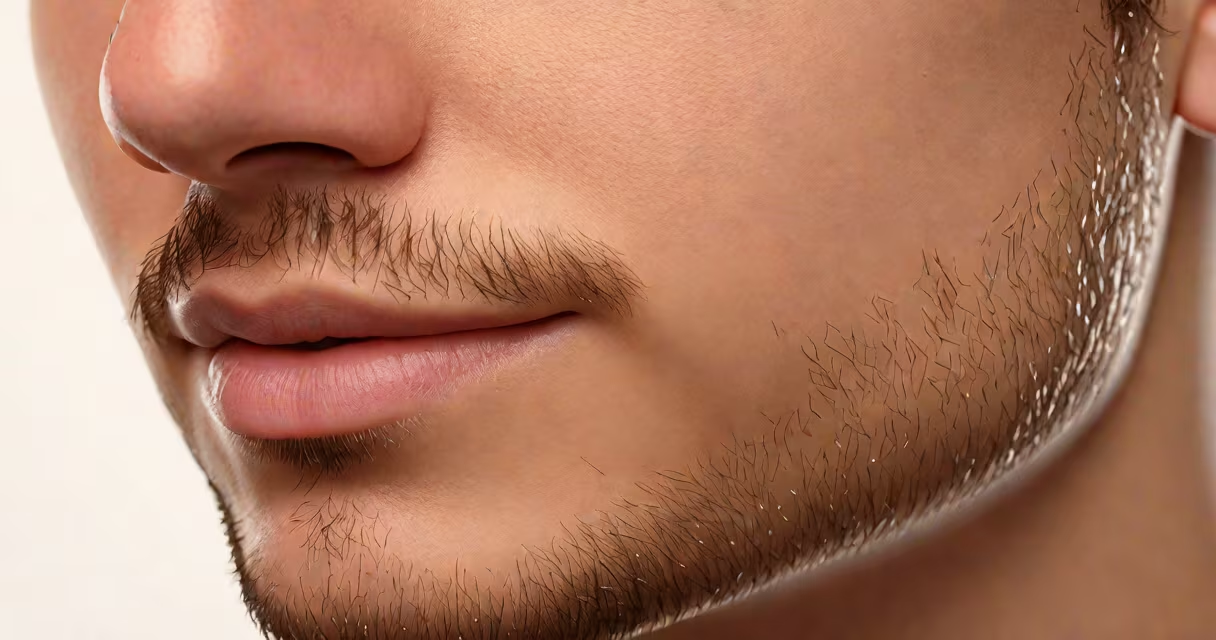
Most boys begin growing facial hair between ages 13 and 16, though onset can occur as early as 11 or as late as 18. This development is driven by rising testosterone levels during puberty and varies by individual genetics and ethnicity.
Facial hair growth is a secondary sexual characteristic that signals physical maturity in males. It typically begins around the upper lip and chin, spreading gradually to the cheeks and jawline. The process is not uniform-some boys grow thick beards by 16, while others take years to develop noticeable facial hair.
Testosterone triggers the transformation of fine vellus hairs into coarser terminal hairs in areas like the face, chest, and pubic region. The rate and density depend on androgen receptor sensitivity, which is influenced by genetics. A study published in the journal Endocrinology & Metabolism found that men with higher expression of the androgen receptor gene tend to develop facial hair earlier and more densely.
Facial hair development follows a predictable biological sequence tied to hormonal changes. During puberty, the hypothalamus activates the pituitary gland, which stimulates the testes to produce increasing amounts of testosterone. This spike in sex hormones initiates the growth of secondary sexual traits, including facial hair.
The process begins in the dermal papilla cells beneath the skin. When exposed to dihydrotestosterone (DHT)-a metabolite of testosterone-these cells trigger dormant hair follicles to switch from producing soft vellus hair to dense, pigmented terminal hair. DHT binds more effectively to androgen receptors in facial tissue than testosterone itself, making it the primary driver of facial hair growth.
Not all follicles respond equally. Some remain inactive throughout life, especially in individuals with lower androgen sensitivity. This explains why some men never grow full beards despite normal testosterone levels.
Facial hair patterns fall into distinct categories based on distribution and density. These patterns are largely genetically determined and rarely change after age 25.
| Pattern Type | Description | Typical Onset Age | Prevalence |
|---|---|---|---|
| Beard | Full coverage across jawline, cheeks, and chin | 15-18 | ~30% |
| Goatee | Hair only on chin and lower lip | 14-17 | ~25% |
| Sideburns Only | Minimal growth limited to sideburn area | 13-16 | ~15% |
| Delayed Growth | Little to no visible facial hair by 18 | 17-20+ | ~30% |
Research from the British Journal of Dermatology indicates that men of East Asian descent often show delayed or reduced facial hair growth compared to those of European or Middle Eastern ancestry. This difference correlates with lower activity of the 5-alpha reductase enzyme, which converts testosterone to DHT.
A common misconception is that shaving accelerates facial hair growth. This is false. Shaving only cuts hair at the surface-it does not affect follicle activity or hormone levels. The regrowth may feel coarser because the new hair tip is blunt, not because the hair is thicker or faster-growing.
Facial hair development usually completes by age 25. If a man shows no signs of facial hair by 18, especially with other absent secondary sexual characteristics like low voice pitch or minimal body hair, it may indicate a hormonal imbalance.
Conditions such as hypogonadotropic hypogonadism or Kallmann syndrome can delay or prevent puberty entirely. These disorders result from insufficient gonadotropin-releasing hormone (GnRH) production, leading to low testosterone and underdeveloped secondary features. Diagnosis typically involves blood tests measuring LH, FSH, and total testosterone levels.
One personal observation: I once worked with a college student who had no facial hair at 19, despite regular workouts and healthy habits. After a blood panel revealed subnormal testosterone, he was referred to an endocrinologist. With treatment, his facial hair began developing steadily by age 21. This case illustrates that delayed growth isn't always genetic-it can stem from treatable medical causes.
Many assume that facial hair growth should begin at the same time as voice deepening or acne. While these events often coincide, they don't happen simultaneously. Voice changes typically occur around age 12-14, acne peaks at 14-16, and facial hair may lag by one to three years.
Another myth is that diet affects facial hair growth. While nutrition supports health, no evidence links specific foods to increased beard density. Protein intake influences muscle mass and skin integrity, but not hair follicle activation.
Facial hair growth is not a measure of masculinity or maturity. A man with no facial hair is not less masculine. Cultural ideals often exaggerate the link between beard growth and strength, but biology doesn't follow social expectations.
Consider a boy named Carlos, born in January 2005. His first facial hair appeared in October 2018-age 13. He noticed a few dark hairs along his upper lip and chin. By age 15, the hair spread to his jawline and cheeks. At 17, he had a full goatee and began grooming regularly.
Carlos's parents were both of Latin American descent. His father developed a full beard at 16. Medical records confirmed Carlos's testosterone levels rose steadily during puberty, peaking at 18. His pattern aligns with typical timelines reported in the Journal of Adolescent Health, which tracks average onset of facial hair at 14.8 years across diverse populations.
This example shows that variation within normal ranges is expected. Carlos's timeline falls within the 90th percentile for onset, meaning most boys develop facial hair earlier.
For those concerned about slow growth, options exist. Topical minoxidil (used off-label for beard growth) has shown modest results in clinical trials, though effects are inconsistent. Prescription treatments like finasteride reduce DHT levels and may inhibit facial hair growth-making them unsuitable for those seeking fuller beards.
Understanding your timeline helps avoid unnecessary worry. If you're 17 and still see little facial hair, you're likely within the normal range. If you're 20 and still have none, consult a healthcare provider to rule out hormonal issues.