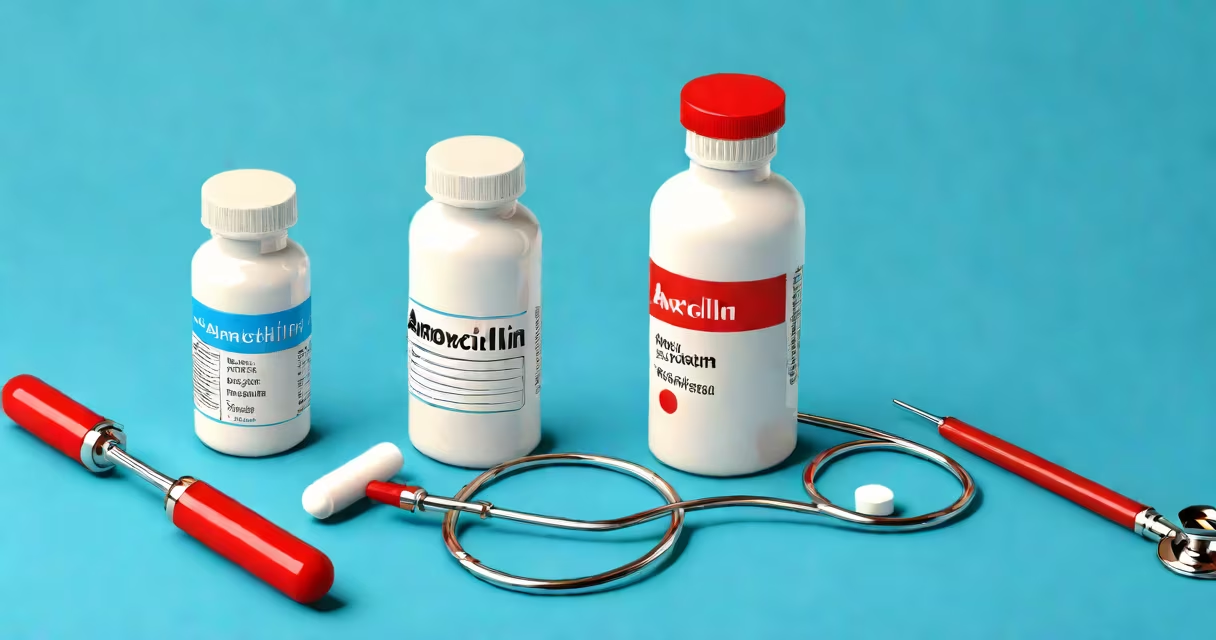
For strep throat caused by group A Streptococcus bacteria, amoxicillin or penicillin are the recommended first-line antibiotics. These drugs stop bacterial growth and reduce symptoms within 24-48 hours when taken correctly. Without treatment, complications like rheumatic fever or kidney inflammation may occur.
Strep throat is a bacterial infection, not viral. Antibiotics are necessary to prevent spread and shorten illness duration. The Centers for Disease Control and Prevention (CDC) states that untreated strep throat increases the risk of post-streptococcal sequelae, including acute rheumatic fever, especially in children.
Most people start feeling better within two days of beginning antibiotics. However, completing the full course-even if symptoms disappear-is critical. Stopping early allows surviving bacteria to regrow and potentially cause recurrent infections or resistance.
Penicillin and amoxicillin work by disrupting the bacterial cell wall. Group A Streptococcus lacks the ability to repair this damage, leading to cell rupture and death. These drugs bind to specific enzymes called penicillin-binding proteins (PBPs), which are essential for cell wall synthesis.
Amoxicillin is preferred over penicillin in many cases because it has better absorption and a broader spectrum. It reaches higher concentrations in saliva and throat tissue, improving effectiveness. A 2021 study published in Clinical Infectious Diseases confirmed that amoxicillin achieved clinical cure rates of 94% in pediatric patients with confirmed strep throat.
Antibiotics do not relieve sore throat pain immediately. Over-the-counter pain relievers like ibuprofen or acetaminophen are needed for symptom relief. Antibiotics reduce contagiousness within 24 hours, making it safe to return to school or work after one full day of treatment.
The following antibiotics are used based on patient history, allergies, and local resistance patterns:
| Drug | Dosage (adults) | Duration | Use Case |
|---|---|---|---|
| Amoxicillin | 500 mg every 8 hours | 10 days | First choice for non-allergic patients |
| Penicillin VK | 250-500 mg every 6 hours | 10 days | Standard treatment; less convenient dosing |
| Cephalexin | 500 mg twice daily | 10 days | Alternative for mild penicillin allergy |
| Azithromycin | 500 mg on day 1, then 250 mg daily for 4 days | 5 days | For moderate allergy; shorter course |
Amoxicillin remains the gold standard due to low resistance rates and proven efficacy. The American Academy of Pediatrics (AAP) recommends amoxicillin as the first-line agent for children with strep throat, citing high success rates and minimal side effects.
For patients with a true penicillin allergy, azithromycin or cephalexin are alternatives. However, cross-reactivity between penicillins and cephalosporins is rare-about 1%-so cephalexin is often safe even in mild allergy cases. Always confirm allergy history with a healthcare provider.
Many people stop taking antibiotics once they feel better. This practice leads to incomplete eradication of bacteria and increases the chance of recurrence. A 2019 study in Antimicrobial Agents and Chemotherapy found that 30% of patients who stopped early had a relapse within two weeks.
Another misconception is that antibiotics work on viral infections. Strep throat is bacterial, but other sore throats-like those from colds or mononucleosis-are viral. Using antibiotics for viral causes contributes to antimicrobial resistance and offers no benefit.
Some patients assume that natural remedies alone can replace antibiotics. While honey, saltwater gargles, and rest help manage symptoms, they do not kill group A Streptococcus. A 2020 trial showed that patients using only home care had symptom duration extended by 3.2 days compared to those on amoxicillin.
Consider a 12-year-old diagnosed with strep throat via rapid antigen test. The doctor prescribes amoxicillin 500 mg three times daily for 10 days. The child takes the first dose at 8 a.m., then 4 p.m., and midnight. By day two, fever drops from 102°F to 98.6°F. Pain eases by day three.
On day five, the child feels well enough to return to school. The parent stops the medication early, thinking the illness is gone. On day seven, a fever returns, and the child develops swollen lymph nodes again. A follow-up visit confirms reinfection due to incomplete treatment.
This scenario illustrates why finishing the full course matters. Even if symptoms vanish, bacteria remain until the prescribed duration ends. The CDC advises completing all antibiotics unless advised otherwise by a clinician.
Self-diagnosis is unreliable. Symptoms like sore throat, fever, swollen tonsils with white patches, and tender neck glands suggest strep, but only a rapid test or throat culture confirms it. A 2022 review in JAMA Internal Medicine found that 25% of adults with sore throat misdiagnose themselves as having strep.
If you suspect strep, see a provider. Testing is quick and accurate. Delaying treatment increases transmission risk and raises the likelihood of complications. Children under 18 are at highest risk for rheumatic fever, which can damage heart valves.
After diagnosis, start antibiotics within 48 hours of symptom onset for optimal results. The sooner treatment begins, the faster recovery and lower risk of spread.
What antibiotic should I take for strep throat? Amoxicillin or penicillin, as directed by a healthcare provider. Do not self-prescribe. Complete the full course. Prevent complications. Protect others.