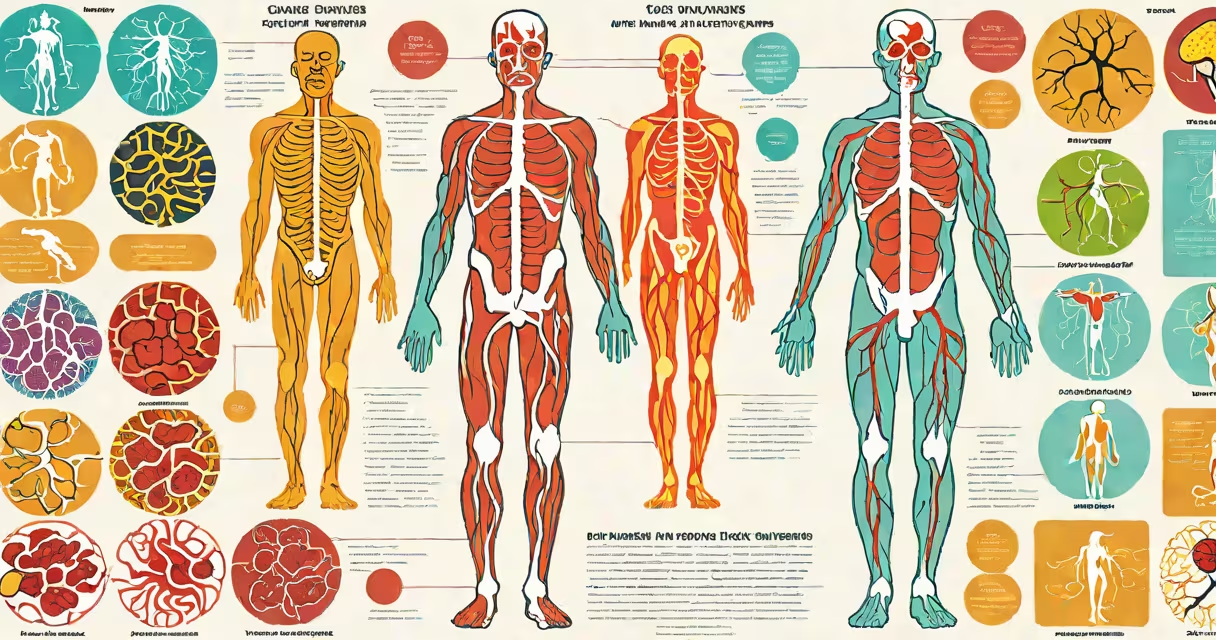
The human body consists of 11 interconnected systems that regulate internal processes, respond to external stimuli, and sustain life. These systems include the circulatory, respiratory, nervous, digestive, endocrine, muscular, skeletal, integumentary, urinary, reproductive, and immune systems.
Each system performs specific tasks essential to survival. For example, the circulatory system transports oxygen, nutrients, hormones, and waste products through blood vessels. The nervous system coordinates movement, sensation, and thought via electrical signals. The digestive system breaks down food into absorbable components using enzymes and acids.
These systems do not operate independently. The respiratory system delivers oxygen to red blood cells, which the circulatory system then distributes to tissues. The kidneys filter blood, removing metabolic waste while maintaining fluid balance-a task supported by both the urinary and circulatory systems. This integration ensures homeostasis, the stable internal environment required for cellular function.
Body systems rely on feedback loops to adjust activity based on internal conditions. For instance, when blood glucose rises after eating, the pancreas releases insulin. Insulin signals muscle and liver cells to take up glucose, lowering blood sugar levels. This process involves the endocrine system (insulin release), circulatory system (transport), and muscular system (glucose uptake).
Another example: during exercise, the respiratory system increases breathing rate to supply more oxygen. The circulatory system responds by increasing heart rate and redirecting blood flow to muscles. The muscular system contracts repeatedly, producing heat and lactic acid. The urinary system removes excess acid and regulates electrolytes to prevent acidosis.
Without coordination between systems, even minor disruptions can lead to failure. A blocked coronary artery impairs blood flow to the heart muscle. The circulatory system cannot deliver oxygen, leading to ischemia. The nervous system detects distress signals, triggering pain and potentially causing cardiac arrest if untreated.
There are 11 primary systems in the human body. Each has distinct roles and structures.
| System | Primary Function | Key Organs/Components |
|---|---|---|
| Circulatory | Transports oxygen, nutrients, hormones, and waste | Heart, blood vessels, blood |
| Respiratory | Exchanges gases (oxygen in, carbon dioxide out) | Lungs, trachea, diaphragm |
| Nervous | Processes sensory input and controls responses | Brain, spinal cord, nerves |
| Digestive | Breaks down food and absorbs nutrients | Mouth, esophagus, stomach, intestines, liver, pancreas |
| Endocrine | Regulates metabolism, growth, and reproduction via hormones | Pituitary, thyroid, adrenal glands, pancreas |
| Muscular | Enables movement and maintains posture | Skeletal, smooth, and cardiac muscle |
| Skeletal | Provides structure, protects organs, enables movement | Bones, cartilage, ligaments |
| Integumentary | Protects against infection, regulates temperature, senses touch | Skin, hair, nails |
| Urinary | Filters blood, eliminates waste, balances fluids and electrolytes | Kidneys, ureters, bladder, urethra |
| Reproductive | Produces gametes and supports fetal development | Ovaries, testes, uterus, penis |
| Immune | Defends against pathogens and abnormal cells | White blood cells, lymph nodes, spleen, bone marrow |
Some systems have overlapping roles. The endocrine and nervous systems both regulate bodily functions, but they differ in speed and mechanism. The nervous system uses rapid electrical impulses, while the endocrine system relies on slower hormone diffusion through the bloodstream. This difference allows immediate reflexes (like pulling your hand from heat) and long-term regulation (like menstrual cycle control).
A common misconception is that the immune system is separate from other systems. In reality, immune cells travel through the circulatory system, reside in lymph nodes (part of the lymphatic network), and interact with epithelial cells in the skin and gut-two key barriers managed by the integumentary and digestive systems.
Many people believe the body has only six systems. This outdated model stems from early 20th-century textbooks that grouped functions loosely. Modern anatomy recognizes 11 systems based on structural and functional criteria.
Another error is assuming the nervous system controls everything. While it influences nearly all activities, it depends on inputs from the endocrine and sensory systems. For example, hunger is triggered by low blood glucose detected by the hypothalamus, but the signal originates from pancreatic hormone release (insulin and glucagon), not neural activity alone.
The term "lymphatic system" is often treated as a standalone entity. It is actually part of the immune system and closely integrated with the circulatory system. Lymphatic vessels drain excess fluid from tissues and return it to the bloodstream via the subclavian veins. Without this drainage, swelling (edema) occurs rapidly.
Consider a person who cuts their finger. The integumentary system is breached. Blood vessels constrict initially to reduce bleeding-the circulatory system responds. Platelets aggregate at the wound site, forming a clot. This is a function of the circulatory system's hemostatic mechanism.
Within minutes, immune cells like neutrophils arrive at the site. They engulf bacteria and release signaling molecules called cytokines. These chemicals attract more immune cells and increase blood flow to the area-this is inflammation, a key immune response.
As healing progresses, fibroblasts produce collagen to repair tissue. The skeletal system provides structural support, but the muscular system also contributes by stabilizing the limb. Nerves send pain signals to the brain, prompting protective behavior-avoiding further injury.
After days, new skin forms. The integumentary system regenerates. The entire process involves multiple systems acting in sequence and parallel. No single system completes recovery alone.
When one system fails, others compensate. Chronic kidney disease reduces filtration capacity. The circulatory system adjusts blood pressure to maintain perfusion. The endocrine system increases renin release, activating the renin-angiotensin-aldosterone pathway to retain sodium and water. This illustrates how systems adapt under stress.
Knowing how systems interact improves medical decision-making. A patient with diabetes may develop neuropathy due to prolonged high blood glucose. This affects the nervous system, leading to numbness in the feet. If undetected, poor circulation (circulatory system) and reduced sensation (nervous system) can result in foot ulcers and amputation.
Understanding the interdependence of systems helps identify root causes. Fatigue could stem from anemia (circulatory system), hypothyroidism (endocrine system), or sleep apnea (respiratory system). Diagnosing the correct system prevents mismanagement.
Recognizing differences between similar concepts prevents confusion. For example, the reproductive system produces gametes, while the endocrine system regulates reproductive hormones. The two are related but not interchangeable. Understand how these systems differ in function and structure.
Every breath, heartbeat, and thought results from coordinated action across multiple systems. The body is not a collection of parts-it is a changing network of interdependent functions. Knowing what are the different systems of the body reveals how life persists through complexity.