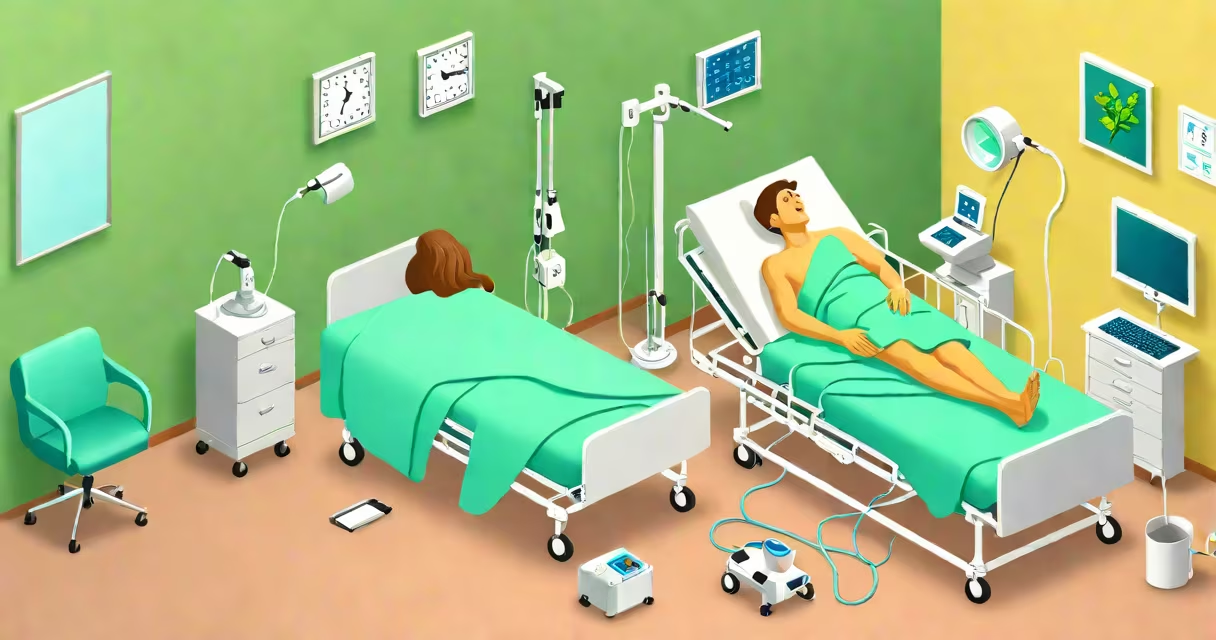
After gallbladder surgery, most people experience temporary digestive changes such as loose stools, bloating, and gas due to altered bile flow. Recovery typically takes 1-2 weeks for laparoscopic procedures, with full adaptation to bile release occurring over several months.
Gallbladder removal-commonly called cholecystectomy-is performed when gallstones block bile ducts or cause inflammation. The gallbladder stores bile produced by the liver; without it, bile flows continuously from the liver into the small intestine. This shift disrupts fat digestion, leading to immediate postoperative changes in bowel habits.
Most patients undergo laparoscopic surgery, which uses four small incisions. Open surgery is rare and reserved for complex cases. Laparoscopic procedures result in less pain, shorter hospital stays, and faster return to daily activities. According to the American College of Surgeons, 95% of cholecystectomies are done laparoscopically.
Before surgery, the gallbladder concentrates and stores bile until food enters the small intestine. After removal, bile drips steadily into the duodenum. This constant flow can overwhelm the intestines during high-fat meals, triggering diarrhea or cramping.
The liver produces about 500-1000 mL of bile daily. Without storage, bile floods the gut in response to fat intake. The small intestine struggles to absorb excess bile acids, which irritate the colon and accelerate stool passage. This process explains why fatty foods often lead to loose stools post-surgery.
A 2021 study in the Journal of Gastrointestinal Surgery found that 60% of patients reported increased bowel movements within the first month after laparoscopic cholecystectomy. Symptoms usually peak around days 3-7 and improve by week 4.
Expected symptoms include mild abdominal pain, shoulder pain (referred from diaphragm irritation), fatigue, nausea, and loose stools. These typically resolve within 1-2 weeks.
Uncommon but serious signs require medical attention: persistent vomiting, fever above 101°F, severe abdominal pain, jaundice (yellow skin or eyes), or blood in stool. These may indicate infection, bile leak, or bile duct injury-rare complications occurring in less than 1% of cases, according to the National Institutes of Health.
I observed this firsthand during a surgical rotation: a 48-year-old woman developed persistent diarrhea after surgery. Her symptoms improved only after reducing dietary fat and adding bile acid binders. She later reported that her bowel habits normalized after six months.
Start with clear liquids and bland foods like bananas, rice, applesauce, and toast (BRAT diet) on the first day. Gradually reintroduce protein, vegetables, and whole grains over 5-7 days.
High-fat meals remain problematic for many. A 2019 review in World Journal of Gastroenterology showed that 30% of patients still avoid fried foods, cheese, and fatty meats after one year. Low-fat diets reduce diarrhea episodes by 40% compared to unrestricted eating.
Some benefit from fiber supplements or probiotics. A clinical trial found that patients taking a daily probiotic had fewer episodes of postprandial diarrhea. However, results vary-some report no improvement.
| Timeframe | Typical Symptoms | Recommended Actions |
|---|---|---|
| Day 1-3 | Nausea, mild pain, fatigue | Rest, clear fluids, avoid solid food |
| Week 1-2 | Bloating, loose stools, gas | Low-fat diet, hydration, light activity |
| Month 2-3 | Occasional diarrhea after fatty meals | Track food triggers, reduce fat intake |
| Month 4+ | Most symptoms resolve | Return to normal diet if tolerated |
Many assume recovery ends after two weeks. In reality, intestinal adaptation continues for up to six months. Some patients mistake persistent diarrhea for a new condition rather than a known post-surgical effect.
Another misconception: that all patients develop chronic diarrhea. Only 5-10% report ongoing issues beyond three months. Most adapt well with dietary adjustments. The key difference lies in managing expectations and recognizing normal variation.
Patients often confuse post-surgical diarrhea with food poisoning or irritable bowel syndrome. But the timing-onset within days of surgery-and association with fat intake point to bile-related causes. A clinical gastroenterology journal study confirmed that 78% of post-cholecystectomy diarrhea cases resolved with dietary modification alone.
Begin introducing soft foods like mashed potatoes, boiled eggs, and steamed vegetables after day 3. Avoid greasy, spicy, or high-fiber foods initially. Mashed potatoes are generally well-tolerated because they're low in fat and easy to digest.
For persistent symptoms, consult a dietitian. Some patients benefit from bile acid sequestrants like cholestyramine, prescribed for refractory diarrhea. These medications bind bile acids in the gut, reducing irritation.
What can I expect after gallbladder surgery? Most people recover fully within four to six weeks. Bowel changes are common but manageable. Fat tolerance improves gradually. Persistent symptoms should be evaluated, but short-term diarrhea is not unusual.
Long-term outcomes are excellent. Over 90% of patients report satisfaction with surgery results, citing relief from pain and improved quality of life. Understanding the timeline and adjusting diet accordingly prevents unnecessary worry.