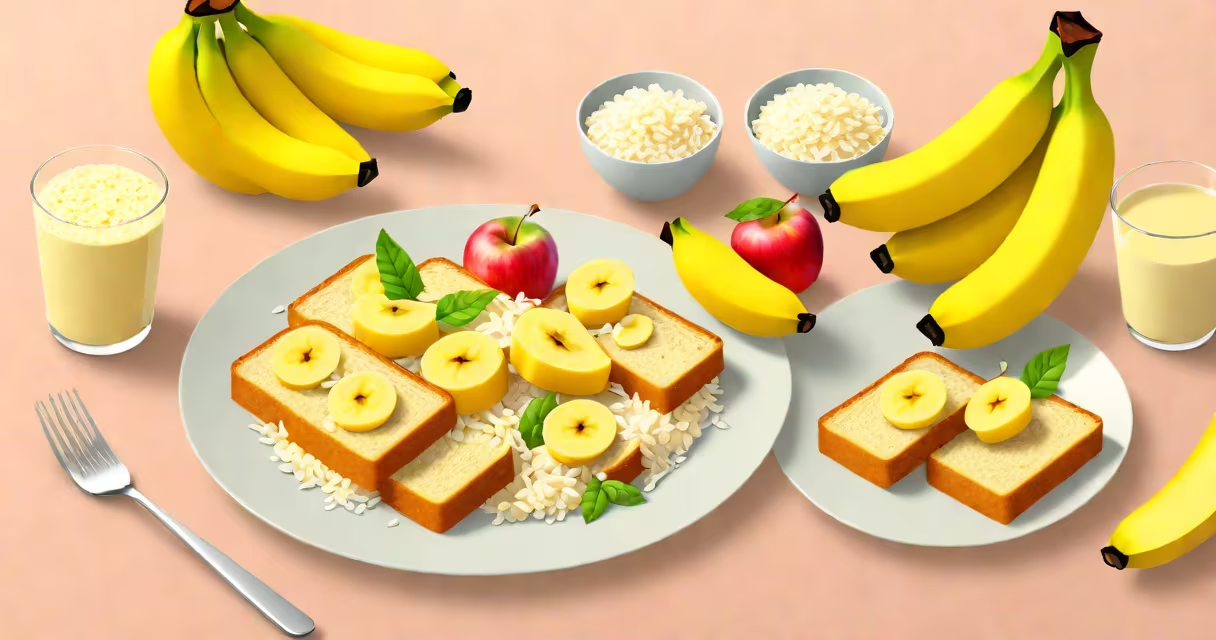
The BRAT diet-bananas, rice, applesauce, and toast-is a well-established approach to managing mild diarrhea. These foods are low in fiber, easy to digest, and help firm up stool. They're especially useful during short-term episodes caused by viral infections or food sensitivities.
Diarrhea results from rapid intestinal transit and increased fluid secretion. The goal of dietary management is to reduce bowel movement frequency while supporting intestinal lining repair. Foods high in soluble fiber, such as oats or cooked carrots, also help by absorbing excess water. Avoiding lactose, fats, and artificial sweeteners prevents further irritation.
According to the Mayo Clinic, the BRAT diet is effective for children and adults experiencing brief bouts of diarrhea. However, it's not suitable for prolonged cases or those involving dehydration. Replenishing fluids and electrolytes remains essential. For persistent symptoms, medical evaluation is necessary.
Bananas contain pectin, a soluble fiber that slows gut motility and binds water. A 2016 study in Frontiers in Microbiology confirmed that pectin reduces stool frequency in animal models of diarrhea. Applesauce offers similar benefits-its natural pectin content helps normalize bowel movements.
Rice, particularly white rice, is low-residue and absorbs water in the intestines. Unlike whole grains, it doesn't stimulate contractions. Toast made from refined white bread provides easily digestible carbohydrates without triggering fermentation in the colon.
These foods aren't magic-they don't cure infection or inflammation. But they create a stable environment for the gut to recover. When consumed in small portions, they minimize digestive stress and prevent worsening symptoms.
Not all bland foods are equally helpful. Stick to options that are low in fat, low in fiber, and free of added sugars. The following table outlines practical choices:
| Foods to Eat | Foods to Avoid |
|---|---|
| White rice | Whole grains (oats, brown rice) |
| Bananas (ripe) | Dairy (especially milk) |
| Applesauce (unsweetened) | Fried or greasy foods |
| Plain toast | Artificial sweeteners (sorbitol, xylitol) |
| Cooked carrots | High-fiber vegetables (broccoli, cabbage) |
Avoiding dairy is critical. Lactose intolerance often worsens during illness due to reduced lactase enzyme production. Even if you tolerate milk normally, temporary deficiency can cause bloating and cramping. The American Gastroenterological Association notes that up to 70% of adults lose some lactase activity after childhood.
Artificial sweeteners like sorbitol are poorly absorbed and draw water into the bowel. A single 20g serving of sugar-free gum can trigger diarrhea in sensitive individuals. Always check ingredient labels.
Most cases of diarrhea resolve within 48 hours. If symptoms last longer than three days, or if blood appears in stool, fever exceeds 102°F (39°C), or signs of dehydration emerge-such as dry mouth, dizziness, or reduced urination-seek care promptly.
Dehydration risks increase in young children and older adults. The CDC recommends oral rehydration solutions containing sodium, potassium, and glucose. These are more effective than water alone because they promote fluid absorption in the intestines.
I once managed a case of traveler's diarrhea in a friend who had eaten street meat in Southeast Asia. After two days of vomiting and frequent loose stools, he began eating only boiled rice and bananas. By day four, his bowel movements normalized. He avoided dairy and fruit juices entirely. This experience reinforced that simple, consistent choices matter more than complex diets.
Many assume that yogurt helps with diarrhea. While probiotic-rich yogurt may support gut health long-term, it can worsen symptoms during active diarrhea due to lactose content. A 2018 review in Journal of Clinical Gastroenterology found that probiotics like Lactobacillus rhamnosus GG reduced duration of infectious diarrhea-but only when taken early and in sufficient doses.
Another myth is that drinking clear broths or tea "cleanses" the gut. While broth can provide hydration and sodium, it lacks the balanced nutrients needed for recovery. Over-reliance on weak liquids delays proper nutrition.
Finally, some believe that fasting helps. Fasting during diarrhea increases risk of malnutrition and weakens intestinal barrier function. The World Health Organization advises continuing light feeding to maintain gut integrity.
Understanding what to eat during diarrhea centers on reducing stimulation while supporting healing. Focus on low-fiber, low-fat, easily digestible foods. Bananas, rice, applesauce, and toast remain foundational. When symptoms extend beyond a few days, seek professional guidance. What can you eat to help with diarrhea? Choose simplicity, consistency, and hydration.