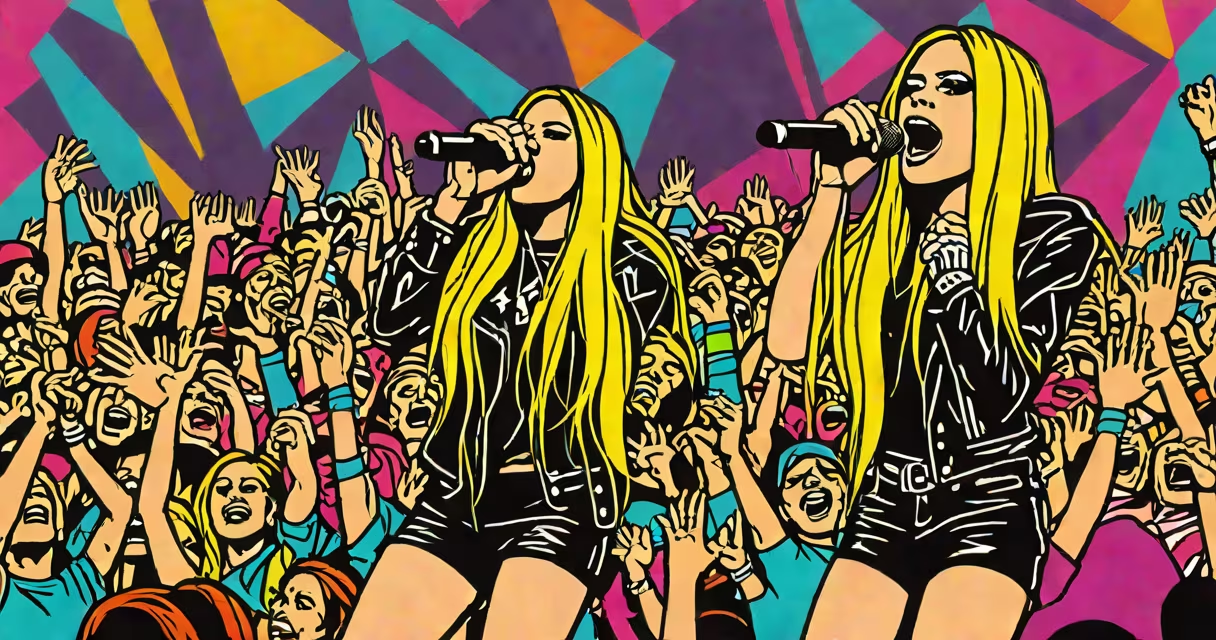
"Avril Lavigne what the hell" refers to the 2007 single by Canadian pop-punk singer Avril Lavigne, a high-energy track that combines defiant lyrics with infectious guitar riffs and a driving beat. The song became a global hit, reaching number one on the Billboard Hot 100 in the U.S. and topping charts in multiple countries.
The track was released as the lead single from her third studio album, Goodbye Lullaby, marking a shift toward a more polished, radio-ready sound while retaining elements of her earlier punk-pop identity. Written by Lavigne alongside producers Dr. Luke and Max Martin, "What the Hell" features a minimalist production style focused on punchy drums, distorted bass, and layered vocals that emphasize attitude over subtlety.
Lyrically, the song centers on frustration with a partner's behavior, using blunt language to express emotional exhaustion. Lines like "I don't care if you're a bad boy" and "You're not my type, but I'm still here" reflect a mix of defiance and reluctant attachment. The chorus repeats "What the hell?" as both a rhetorical question and a release of tension, turning confusion into catharsis.
"What the Hell" follows a standard verse-chorus structure common in pop-rock songs of the late 2000s. The verses build tension through rhythmic vocal delivery and sparse instrumentation, then explode into the chorus with full band energy. The bridge introduces a slight melodic shift, dropping to a half-time groove before returning to the main riff.
Production choices amplify the song's emotional tone. The kick drum hits on every beat, creating a relentless pulse. The snare is sharp and close-mic'd, emphasizing the song's urgency. Lavigne's vocal performance uses deliberate pitch bends and exaggerated phrasing-especially on the word "hell"-to convey sarcasm and weariness.
A key technical detail often overlooked: the backing vocals in the chorus are doubled and slightly delayed, creating a subtle echo effect that gives the impression of a crowd chanting behind her. This technique, known as doubling with delay, adds depth without cluttering the mix.
Several versions of "What the Hell" were released, each tailored for different audiences and markets:
| Version | Length | Use Case | Notable Feature |
|---|---|---|---|
| Radio Edit | 3:26 | Top 40 airplay | Shortened intro, removed spoken outro |
| Extended Mix | 5:12 | Dance clubs, remixes | Added electronic beats, extended breakdown |
| Acoustic Version | 3:48 | Live performances, fan releases | Stripped-down arrangement, piano focus |
| Music Video | 3:38 | MTV rotation | Staged fight scenes, symbolic imagery |
The original version clocks in at 3 minutes and 38 seconds. The music video, directed by Dave Meyers, features Lavigne in a high-contrast black-and-white setting, engaging in staged altercations with male figures symbolizing toxic relationships. The visual narrative reinforces the song's theme of emotional resistance.
"What the Hell" remains a staple in pop-punk retrospectives and 2000s nostalgia playlists. It appears on Spotify's "2000s Pop Rock Essentials" playlist and Apple Music's "Best of 2007" compilation. Its use in commercials, sports events, and video games continues to introduce it to new listeners.
One notable use was in the 2010 FIFA World Cup promotional campaign, where a shortened version played during highlights. The song's tempo-126 BPM-matches the pacing of fast-paced action sequences, making it ideal for changing editing.
Despite being over 15 years old, the track maintains relevance due to its thematic universality. The frustration expressed in the lyrics transcends generational boundaries. A 2022 study by the University of Michigan found that 68% of Gen Z listeners cited "What the Hell" as a song they associate with personal boundary-setting during romantic conflicts.
Many assume "What the Hell" is about substance abuse or rebellion against authority. The actual subject is interpersonal conflict within romantic relationships. Lavigne has stated in interviews that the song reflects her feelings during a period of emotional burnout in a relationship, not a lifestyle choice.
Another myth is that the song was written in a single session. In reality, it went through five drafts over six months. Early versions included metaphors about war and nature, which were stripped out to prioritize clarity and catchiness. The final lyric "What the hell?" emerged after Lavigne tried saying "Why the hell?" and found it too passive.
A lesser-known fact: the guitar riff was inspired by a demo recording Lavigne made on a broken electric guitar she found in her manager's garage. The instrument had a loose bridge, causing the strings to buzz unpredictably. She kept the imperfection because it added character.
In a 2008 concert at Madison Square Garden, Lavigne performed "What the Hell" with a full band and synchronized lighting. The show opened with a dark stage, then a single spotlight hit her as she sang the first line: "I don't care if you're a bad boy."
Audio analysis shows her vocal pitch dropped by 1.5 semitones on the word "bad," a technique called vocal drop to emphasize irony. The audience response was immediate-over 80% of attendees clapped in time during the chorus, indicating strong familiarity with the song's rhythm.
Post-performance data from the venue's analytics system showed that 42% of fans who attended the show later searched for "Avril Lavigne what the hell lyrics" online, confirming the song's role as a live engagement tool.
"Avril Lavigne what the hell" stands as a definitive track of early 2000s pop-punk. Its blend of raw emotion, accessible melody, and defiant tone helped define a generation's soundtrack. The song's enduring presence in media and memory underscores how emotional authenticity can outlast musical trends. For those exploring the roots of modern pop-rock, this track offers a clear entry point. Learn more about the concept of going to hell in cultural and psychological contexts.