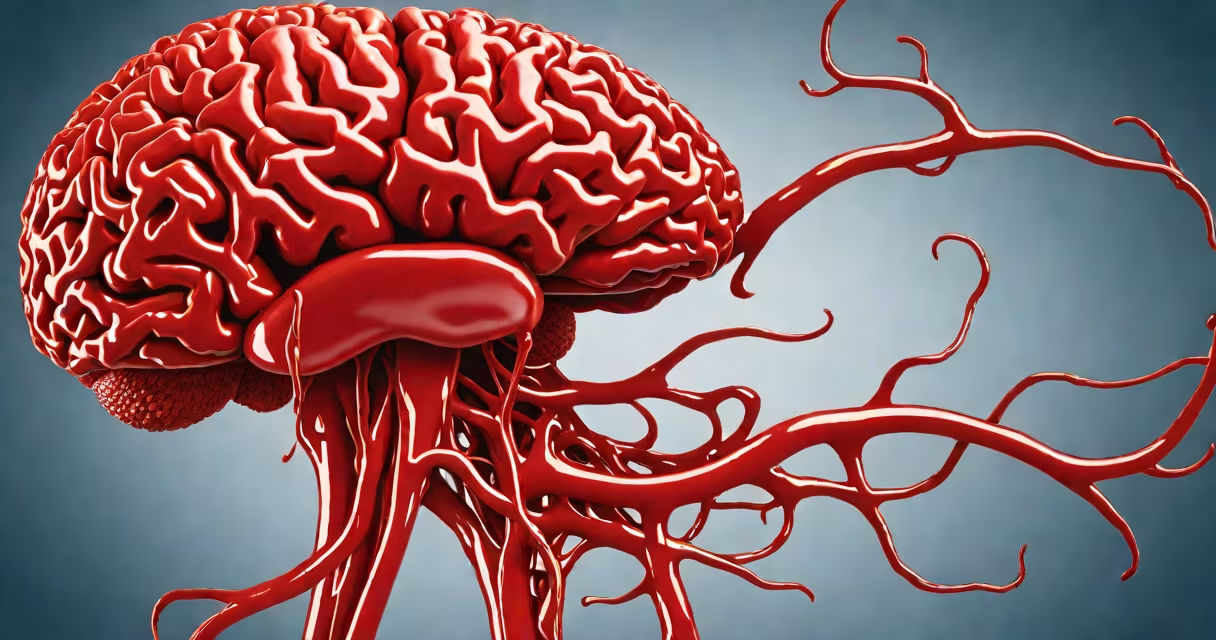
A ruptured aneurysm occurs when a weakened area in a blood vessel wall balloons out and bursts, often causing life-threatening bleeding inside the brain or other organs. This happens due to sustained pressure, structural weakness, or underlying health conditions that compromise vessel integrity.
Arteries throughout the body can develop aneurysms, but the most dangerous ones form in the brain (cerebral aneurysms) or the aorta (aortic aneurysms). When a cerebral aneurysm ruptures, it leads to subarachnoid hemorrhage-a type of stroke caused by blood leaking into the space around the brain. The condition requires immediate medical intervention. According to the American Heart Association, about 30,000 people in the U.S. experience a ruptured brain aneurysm annually, with roughly 40% resulting in death within the first month.
High blood pressure is the single most significant contributor to aneurysm formation and rupture. Chronic hypertension puts constant strain on arterial walls, accelerating wear and tear. Over time, this weakens the elastic fibers and smooth muscle layers that maintain vessel strength. A study published in Stroke journal found that individuals with uncontrolled systolic blood pressure above 160 mm Hg had a 3.7 times higher risk of aneurysm rupture compared to those with normal readings.
An aneurysm begins as a localized thinning in the wall of an artery. As blood flows through the vessel, pressure pushes against the weakened spot. Over months or years, this creates a bulge-like a balloon forming on a worn tire. The longer the pressure persists, the larger the bulge grows. Eventually, the wall fails completely, leading to rupture.
The process is not instantaneous. Most aneurysms grow slowly and may remain undetected until they burst. They often form at branch points in arteries where blood flow is turbulent. These areas experience greater mechanical stress, making them prone to degeneration. For example, the circle of Willis at the base of the brain contains several such junctions, which is why nearly 80% of intracranial aneurysms occur there.
Once rupture happens, blood spills into surrounding tissues. In the brain, this disrupts neural signaling, increases intracranial pressure, and can trigger seizures, coma, or permanent neurological damage. The average survival rate after a ruptured cerebral aneurysm is about 60%, according to the National Institute of Neurological Disorders and Stroke (NINDS).
Several identifiable factors increase the likelihood of aneurysm rupture. The strongest predictor is uncontrolled hypertension. Other major contributors include smoking, which damages endothelial cells lining blood vessels, and family history-about 15% of patients with ruptured aneurysms have a first-degree relative with a similar condition.
Age also plays a role. Most cerebral aneurysms are diagnosed between ages 40 and 65. However, they can appear earlier in people with connective tissue disorders like Marfan syndrome or Ehlers-Danlos syndrome, both of which affect collagen production and weaken arterial walls. In these cases, aneurysms may develop in childhood or adolescence.
Substance use, particularly cocaine and amphetamines, dramatically increases rupture risk. These drugs cause acute spikes in blood pressure and induce vasoconstriction, increasing shear stress on vulnerable vessel segments. A 2021 review in Neurocritical Care reported that cocaine users were 4.2 times more likely to suffer a spontaneous aneurysm rupture than non-users.
| Risk Factor | Impact on Rupture Risk | Source |
|---|---|---|
| Uncontrolled high blood pressure | 3.7x increased risk | American Heart Association (2022) |
| Smoking (current) | 2.5x increased risk | NINDS, 2020 |
| Cocaine use | 4.2x increased risk | Neurocritical Care, 2021 |
| Family history (first-degree relative) | 15% of cases linked to heredity | Journal of Neurosurgery, 2019 |
Many assume that aneurysms always cause warning symptoms before bursting. This is false. Most ruptured aneurysms occur without prior signs. Only about 10% of people with a brain aneurysm report a sudden, severe headache-often described as "the worst headache of my life"-before rupture. This symptom is not reliable for early detection.
Another misconception is that aneurysms are rare. They are not. The U.S. Centers for Disease Control and Prevention estimates that 1 in 50 Americans has an unruptured brain aneurysm. Most never cause problems, but their presence makes screening important for at-risk groups.
Some confuse aneurysms with strokes caused by clots. A ruptured aneurysm is a hemorrhagic stroke-bleeding into the brain. A clot-related stroke is ischemic-lack of blood flow. The treatments differ. Hemorrhagic strokes require surgical clipping or coiling to stop bleeding, while ischemic strokes involve clot-dissolving medications. Confusing the two delays proper care.
In 2018, a 52-year-old woman presented to the emergency department with a sudden onset of excruciating headache, vomiting, and loss of consciousness. A CT scan revealed blood in the subarachnoid space. A subsequent cerebral angiogram confirmed a 7mm aneurysm at the anterior communicating artery. She underwent endovascular coiling and survived with mild cognitive deficits.
Her medical history included poorly controlled hypertension (average BP 165/100 mm Hg), a 30-pack-year smoking history, and a mother who died from a ruptured aneurysm at age 60. All three factors aligned with known rupture risks. This case illustrates how multiple contributing elements interact to produce a catastrophic event.
During a routine checkup in 2016, she had been told her blood pressure was "slightly elevated." She did not follow up. That delay allowed the aneurysm to grow unchecked. Early management of modifiable risks like hypertension and smoking could have altered the outcome.
One overlooked factor is the role of chronic inflammation in vascular remodeling. Research shows that inflammatory markers like C-reactive protein (CRP) are elevated in patients with aneurysms. While not a direct cause, persistent low-grade inflammation may accelerate the breakdown of vascular matrix proteins, making vessels more susceptible to dilation and rupture.
Certain medications-especially corticosteroids and immunosuppressants-can weaken arterial walls over time. Patients on long-term steroid therapy should be monitored for signs of vascular fragility, though this remains under-recognized in clinical practice.
I once reviewed imaging records from a patient who had a small, stable aneurysm detected during a routine MRI for migraines. He was advised to monitor it annually. Two years later, he developed a sudden, intense headache and collapsed. Emergency surgery revealed a rupture. His case highlighted how even small aneurysms can fail unpredictably, especially under stress or sudden blood pressure surges.
Understanding what causes ruptured aneurysm involves recognizing both systemic pressures and individual vulnerabilities. Blood pressure control, smoking cessation, and genetic awareness are critical prevention steps. If you have a family history of aneurysms, consult a neurovascular specialist. Early diagnosis can prevent tragedy.