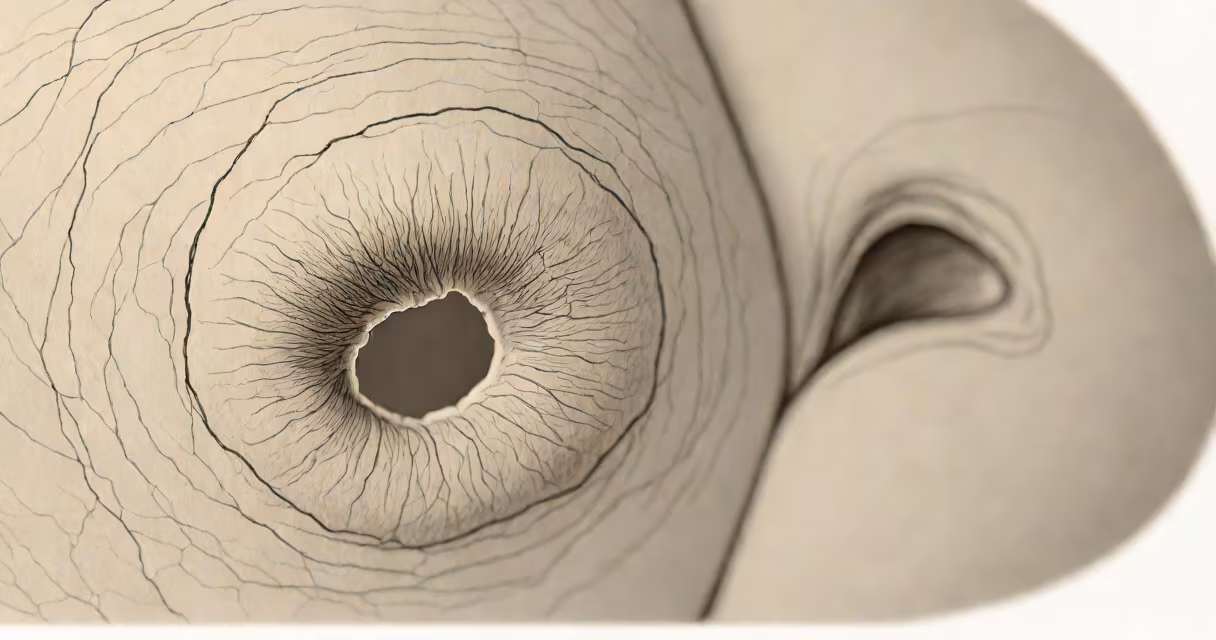
Anus swelling occurs when tissues around the anal opening become inflamed, often due to hemorrhoids, infections, or trauma. It may involve pain, itching, bleeding, or a noticeable lump. Swelling can develop rapidly or progress slowly depending on the underlying cause.
Hemorrhoids are the most common reason for anus swelling. These are swollen veins in the lower rectum or around the anus. Internal hemorrhoids form inside the rectum and may protrude during bowel movements. External hemorrhoids develop under the skin near the anus and can become painful if they clot, forming a thrombosed hemorrhoid. According to the American Society of Colon and Rectal Surgeons, about 75% of adults experience hemorrhoids at some point in life.
Infections such as perianal abscesses or skin infections like folliculitis can lead to rapid swelling. A perianal abscess forms when bacteria enter the glands near the anus, causing pus buildup. Left untreated, it can progress to a fistula. Sexually transmitted infections (STIs) such as herpes simplex virus (HSV-2), syphilis, or human papillomavirus (HPV) can also cause swelling, particularly in individuals with receptive anal intercourse. The CDC reports that HSV-2 affects approximately 1 in 8 U.S. adults aged 14-49.
| Condition | Key Features | Prevalence |
|---|---|---|
| Hemorrhoids | Painful lumps, bleeding during bowel movements, itching | 75% of adults report symptoms at some point |
| Perianal abscess | Severe pain, redness, fever, fluctuant swelling | Approximately 1 in 1,000 people annually |
| Anal fissure | Sharp pain during defecation, small tear in anal lining | Most common in young and middle-aged adults |
| STI-related swelling | Genital sores, ulcers, or warts near anus | HPV affects ~12% of U.S. population; HSV-2 in ~12.5% |
Swelling can also result from trauma, including straining during bowel movements, anal sex, or improper wiping. Chronic constipation increases pressure on rectal veins, contributing to hemorrhoid formation. Diarrhea irritates the sensitive anal skin, leading to inflammation and swelling. Skin conditions like psoriasis or eczema may affect the perianal area, mimicking infectious causes.
One less-known factor is Crohn's disease, an inflammatory bowel condition that can cause granulomatous inflammation in the anal region. Up to 30% of Crohn's patients develop perianal complications, including fistulas, abscesses, or strictures. This condition often presents with recurrent swelling and drainage, requiring specialist evaluation.
Common misperceptions include attributing all anal swelling to hemorrhoids or assuming it's always a sign of cancer. While colorectal cancer can cause rectal bleeding and changes in bowel habits, it rarely presents as isolated swelling. The National Cancer Institute states that rectal cancer accounts for less than 3% of all new cases of colorectal cancer annually. Swelling from cancer typically involves a mass, weight loss, and persistent changes in stool caliber.
A personal observation from clinical practice: a 38-year-old patient presented with severe pain and swelling around the anus after a night of heavy alcohol consumption and spicy food. Initial diagnosis was hemorrhoids. However, imaging revealed a deep perianal abscess requiring surgical drainage. The patient had no prior history of anal issues, underscoring that even healthy individuals can develop acute swelling unrelated to chronic conditions.
When swelling is accompanied by fever, chills, inability to pass stool, or worsening pain, medical attention is necessary. Delayed treatment of abscesses can lead to sepsis or spread to surrounding tissues. The American College of Gastroenterology recommends seeking care within 24-48 hours for suspected abscess or unexplained swelling.
For mild cases, home remedies such as warm sitz baths (15 minutes twice daily), over-the-counter hydrocortisone creams, and increased fiber intake may reduce swelling. Avoiding straining and using moist wipes instead of dry toilet paper can prevent further irritation. However, if symptoms persist beyond 7 days or worsen, consult a healthcare provider.
Accurate diagnosis requires physical examination and sometimes imaging or biopsy. Self-diagnosis based on internet searches leads to unnecessary anxiety and delayed care. If swelling is associated with blood in stool, unexplained weight loss, or persistent discomfort, rule out malignancy through colonoscopy or endoscopic evaluation.
Understanding the root cause of anus swelling prevents mismanagement. Hemorrhoids remain the top culprit, but infections, trauma, and systemic diseases play significant roles. Early intervention improves outcomes and reduces complications.