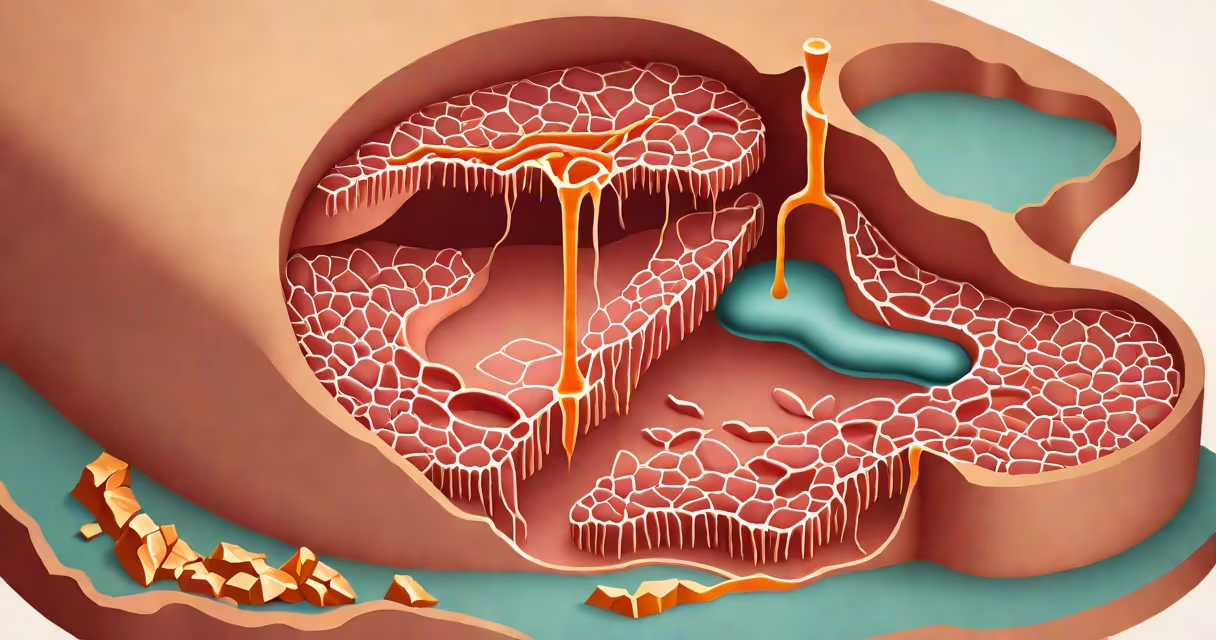
Cirrhosis is the irreversible scarring of the liver caused by long-term damage from conditions such as chronic alcohol use, viral hepatitis B or C, fatty liver disease, or autoimmune disorders. The scar tissue replaces healthy liver cells, disrupting blood flow and impairing the organ's ability to filter toxins, produce proteins, and metabolize nutrients.
The process begins with inflammation and cell death due to ongoing injury. Over time, the liver attempts to repair itself by forming fibrous tissue. When this repair becomes excessive and disorganized, it leads to cirrhosis. Once diagnosed, the condition cannot be reversed, though progression may be slowed with treatment.
According to the National Institute of Diabetes and Digestive and Kidney Diseases (NIDDK), cirrhosis affects approximately 1 in 400 adults in the United States. It is a leading cause of death among people aged 45 to 65, particularly those with a history of heavy alcohol consumption or untreated viral hepatitis.
Liver cells regenerate after minor injury, but repeated stress overwhelms this capacity. As damaged hepatocytes die, the body activates stellate cells-specialized liver cells that produce collagen. Excess collagen forms dense, non-functional scar tissue that distorts the liver's architecture.
This structural change obstructs blood flow through the liver. Blood backs up into veins in the spleen and gastrointestinal tract, causing portal hypertension. This elevated pressure increases the risk of varices-bulging veins in the esophagus or stomach-that can rupture and cause life-threatening bleeding.
A 2021 study published in Hepatology found that patients with compensated cirrhosis (no symptoms yet) had a 10-year survival rate of 70%. Once decompensation occurs-marked by ascites, jaundice, or hepatic encephalopathy-the 5-year survival drops to 40%.
Cirrhosis is classified by its underlying cause. The most common types include:
| Primary Cause | Prevalence in U.S. Cirrhosis Cases | Key Risk Factors |
|---|---|---|
| Alcoholic liver disease | 30-40% | Chronic heavy drinking (>2 drinks/day for men, >1 for women) |
| Non-alcoholic fatty liver disease (NAFLD) | 30-35% | Obesity, insulin resistance, type 2 diabetes |
| Hepatitis B or C | 15-20% | Unprotected sex, IV drug use, blood transfusions before 1992 |
| Autoimmune hepatitis | 5-10% | Female gender, family history, other autoimmune conditions |
NAFLD is now the fastest-growing cause of cirrhosis in the U.S., driven by rising obesity rates. A 2022 report from the American Liver Foundation notes that nearly 40% of adults in the U.S. have NAFLD, and about 10-25% of those progress to NASH (non-alcoholic steatohepatitis), which can lead to fibrosis and eventually cirrhosis.
One key distinction often missed: cirrhosis is not synonymous with liver failure. A person can have cirrhosis and still maintain normal liver function for years. The term "compensated" describes this stage. When function declines-manifested by jaundice, fatigue, or confusion-it becomes "decompensated," signaling advanced disease.
Many assume cirrhosis only affects drinkers. While alcohol is a major contributor, it accounts for less than half of cases. Non-alcoholic causes are increasingly prevalent, especially in younger populations with metabolic syndrome.
Another misconception is that cirrhosis always causes visible symptoms early on. In reality, many patients remain asymptomatic until significant damage has occurred. By the time signs appear-such as spider angiomas (small red vessels on the skin), palmar erythema (red palms), or gynecomastia (enlarged breasts in men)-liver function is already compromised.
I once evaluated a 52-year-old man with unexplained fatigue and mild abdominal swelling. His labs showed elevated AST and ALT, but he drank only socially. An ultrasound revealed nodular liver texture and splenomegaly. A liver biopsy confirmed bridging fibrosis and regenerative nodules-hallmarks of cirrhosis. He had undiagnosed NAFLD linked to prediabetes. Early detection prevented rapid decline.
Diagnosis relies on imaging, blood tests, and sometimes biopsy. Transient elastography (FibroScan) measures liver stiffness-a proxy for fibrosis. A score above 12 kPa indicates significant fibrosis, and values over 20 kPa suggest cirrhosis with high accuracy.
Blood markers like the Fibrosis-4 (FIB-4) index combine age, platelet count, and liver enzyme levels to estimate fibrosis risk. A score above 3.25 suggests advanced fibrosis. These tools reduce the need for invasive biopsies in many cases.
For patients with known risk factors, screening every 1-2 years is recommended. The American Association for the Study of Liver Diseases (AASLD) advises annual ultrasound and alpha-fetoprotein testing for those with cirrhosis to detect hepatocellular carcinoma early.
There is no cure for cirrhosis, but managing the underlying cause slows progression. For alcoholic cirrhosis, abstinence is essential. Studies show that sustained sobriety improves survival-patients who stop drinking live 50% longer than those who continue.
For hepatitis B, antiviral therapy (e.g., tenofovir) reduces viral load and slows fibrosis. In hepatitis C, direct-acting antivirals achieve cure rates above 95%, preventing further damage even in established cirrhosis.
Complications require targeted treatment. Ascites is managed with sodium restriction and diuretics like spironolactone and furosemide. Hepatic encephalopathy responds to lactulose and rifaximin. In severe cases, liver transplantation is the only option.
Survival varies widely. A 2020 cohort study in JAMA Network Open found that 10-year survival after diagnosis was 65% for compensated cirrhosis and 30% for decompensated disease. Patients with early intervention lived longer.