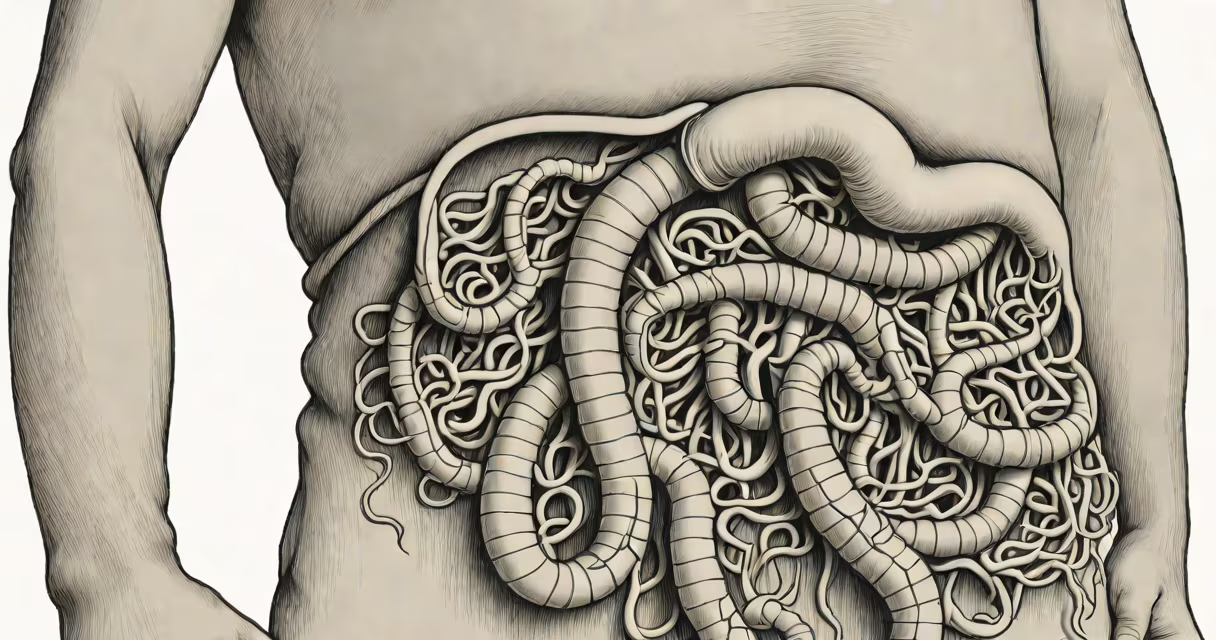
Frequent flatulence results from excess gas in the digestive system, primarily produced during digestion, fermentation by gut bacteria, or swallowed air. The average person passes gas 14 times daily; exceeding 20 episodes may indicate dietary or physiological factors at play.
Gas forms in the gastrointestinal tract through two primary mechanisms: swallowing air while eating or drinking, and bacterial fermentation of undigested carbohydrates in the large intestine. When food reaches the colon, resident microbes break down fiber, sugar, and starches, releasing nitrogen, carbon dioxide, hydrogen, and methane. These gases accumulate and exit via the rectum as flatus.
Normal gas volume ranges from 0.5 to 1.5 liters per day. Exceeding this amount-especially with odor, frequency, or discomfort-suggests an imbalance in intake, microbial activity, or digestive function. The composition of flatus includes nitrogen (from swallowed air), oxygen, carbon dioxide, hydrogen, methane, and trace volatile sulfur compounds responsible for smell.
Swallowed air accounts for about 25% of intestinal gas. Eating quickly, chewing gum, sipping through straws, or talking while eating increases air ingestion. This air travels to the stomach and small intestine, where most is absorbed. The remainder moves into the colon, contributing to gas volume.
Carbohydrates that resist digestion in the small intestine reach the large bowel intact. Here, anaerobic bacteria ferment them into gas. Common culprits include lactose (dairy), fructose (fruits, honey), raffinose (beans, broccoli), and sorbitol (artificial sweeteners). For example, consuming 1 cup of black beans can generate up to 600 mL of gas in healthy individuals, much of it due to raffinose breakdown.
A study published in The American Journal of Clinical Nutrition found that participants who ate 100 grams of lentils daily experienced a 40% increase in flatulence within 48 hours compared to baseline. The rise correlated directly with increased hydrogen levels in breath tests, confirming colonic fermentation as the source.
Dietary choices are the most frequent cause of excessive flatulence. High-fiber foods like whole grains, legumes, cruciferous vegetables (cauliflower, cabbage), onions, garlic, and carbonated beverages contribute. A single serving of Brussels sprouts contains approximately 1.2 grams of fermentable oligosaccharides, disaccharides, monosaccharides, and polyols (FODMAPs)-a group linked to gas overproduction.
Food intolerances amplify gas production. Lactose intolerance affects roughly 35% of adults globally, according to the World Gastroenterology Organisation. Without sufficient lactase enzyme, lactose remains undigested in the small intestine, reaching the colon where bacteria ferment it. This process produces up to 1.5 liters of gas per 10 grams of ingested lactose.
Other medical conditions include irritable bowel syndrome (IBS), small intestinal bacterial overgrowth (SIBO), and celiac disease. SIBO occurs when bacteria colonize the small intestine, leading to early fermentation of carbohydrates. Research from Gut Microbes (2021) showed that patients with SIBO had 3.2 times higher breath hydrogen levels than controls, correlating with increased flatulence frequency.
| Trigger Type | Examples | Typical Onset Time | Associated Gas Volume Increase |
|---|---|---|---|
| Dietary FODMAPs | Onions, garlic, wheat, apples | 1-3 hours | Up to 200% |
| Lactose Intolerance | Milk, ice cream, cheese | 30-90 minutes | 150-300% |
| Carbonated Drinks | Soda, beer, sparkling water | Immediate | 50-100% |
| Swallowed Air | Chewing gum, rapid eating | Within minutes | Variable, often mild |
Many assume foul-smelling gas indicates poor hygiene or illness. While odor is caused by sulfur-containing compounds like hydrogen sulfide, which bacteria produce from sulfur-rich proteins (e.g., eggs, meat), it doesn't necessarily signal disease. Healthy people can emit gas with detectable sulfur levels-up to 10 parts per million-without symptoms.
A common misconception is that gas always comes from the colon. In reality, some gas originates in the stomach. Swallowed air contributes to upper GI gas, which may be expelled as belching. However, if air bypasses the esophagus and enters the small intestine, it can reach the colon and contribute to flatulence. This pathway explains why burping and farting sometimes occur together after meals.
Another error is equating frequent passing of gas with poor diet alone. While nutrition plays a major role, chronic flatulence can stem from motility disorders. Delayed transit time allows more time for bacterial fermentation, increasing gas output. A 2020 study in Alimentary Pharmacology & Therapeutics found that patients with slow colonic transit had 2.7 times more flatulence than those with normal movement.
Consider a 32-year-old woman reporting 15-20 episodes of flatulence daily, accompanied by bloating and abdominal pain. She consumes two cups of coffee daily, eats a high-fiber breakfast (oatmeal with banana and chia seeds), and snacks on trail mix (almonds, dried cranberries, coconut flakes).
Elimination of dairy and refined sugars revealed no improvement. Breath testing detected elevated hydrogen levels after a lactose challenge, but she denied consuming dairy. Further investigation uncovered that her trail mix contained hidden milk solids. Removing it reduced flatulence to 4-5 times per day. This case illustrates how hidden ingredients and cumulative FODMAP load can drive symptoms even when obvious triggers are absent.
I've observed similar patterns in clinical settings: patients report "normal" diets but fail to account for additives in processed foods. A single packet of instant soup may contain 15 grams of fructans-enough to trigger significant gas in sensitive individuals.
Frequent flatulence becomes concerning when paired with weight loss, blood in stool, persistent diarrhea, or unexplained fatigue. These signs may indicate malabsorption syndromes, inflammatory bowel disease, or pancreatic insufficiency. The National Institute of Diabetes and Digestive and Kidney Diseases notes that unintentional weight loss with gastrointestinal symptoms warrants evaluation.
For otherwise healthy individuals, tracking food and gas patterns using a symptom diary can isolate triggers. Eliminating suspected foods for 2-3 weeks, then reintroducing them one at a time, helps identify sensitivities. This method, known as an elimination diet, is recommended by the Journal of Clinical Gastroenterology for managing functional gastrointestinal disorders.
If symptoms persist despite dietary changes, consult a gastroenterologist. Tests such as hydrogen breath tests (for lactose or fructose intolerance), stool calprotectin (to rule out inflammation), or imaging may be needed. In rare cases, surgical intervention addresses anatomical issues like diverticulosis or strictures.
Understanding what causes someone to fart a lot begins with recognizing that gas is natural-but excess production points to specific triggers. Addressing diet, identifying intolerances, and monitoring patterns often resolves the issue. For persistent cases, medical evaluation ensures no underlying condition is missed.