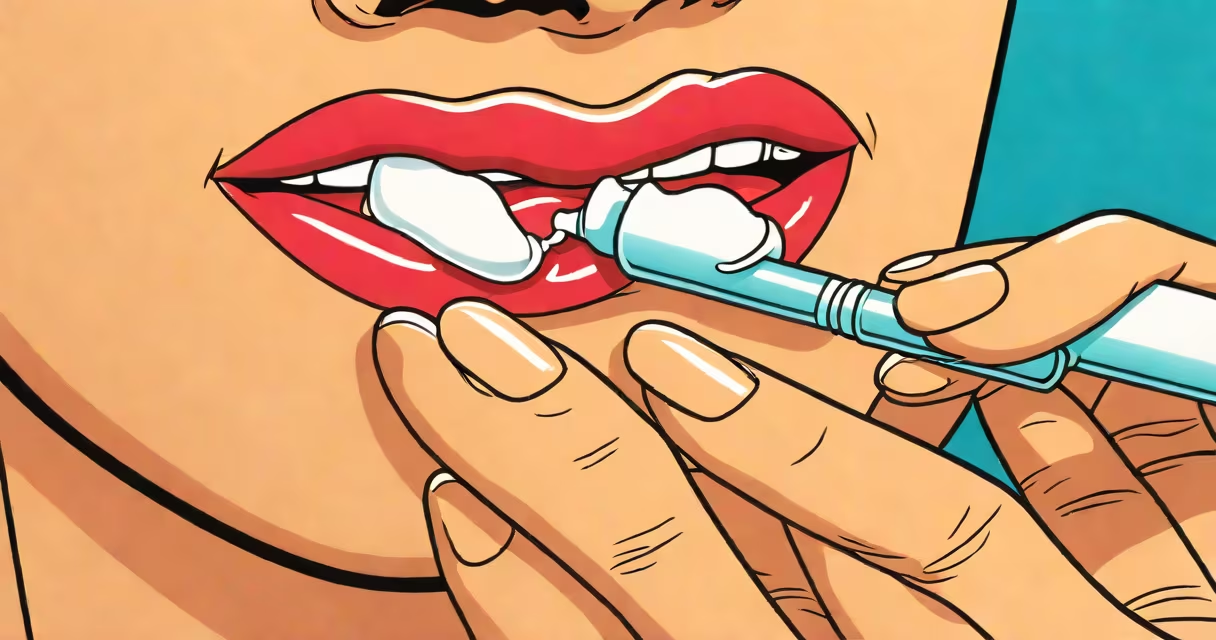
Topical antiviral creams such as acyclovir, penciclovir, and valacyclovir are effective at reducing herpes outbreak duration and symptom severity when applied at the first sign of a lesion. These prescription and over-the-counter options inhibit viral replication at the site of infection.
Herpes simplex virus (HSV-1 and HSV-2) causes cold sores and genital herpes. The virus remains dormant in nerve cells and reactivates under stress, illness, or UV exposure. Topical creams do not cure herpes but manage outbreaks by slowing viral spread during the initial phase.
Antiviral creams are most effective when applied within the first 24 hours of tingling or itching-a prodromal symptom. Delayed application reduces benefit. Clinical trials show acyclovir cream reduces healing time by 1.5 days compared to placebo, according to the National Center for Biotechnology Information.
These creams contain nucleoside analogs that mimic viral DNA building blocks. When the herpes virus attempts to replicate, the drug integrates into its DNA chain and halts further growth. This stops the virus from spreading to nearby healthy skin cells.
Acyclovir cream (5%) is FDA-approved for cold sores. Penciclovir cream (1%) requires a prescription but shows similar efficacy. Valacyclovir is available in oral form, though a topical version exists in some countries. All require multiple daily applications for 4-7 days.
Application frequency matters. A 2018 study in the Journal of the American Academy of Dermatology found patients using acyclovir five times daily saw faster healing than those using it twice daily. Consistency outweighs dosage intensity.
The following table compares FDA-approved and widely used topical herpes treatments:
| Cream Type | Active Ingredient | Availability | Application Frequency | Effectiveness |
|---|---|---|---|---|
| Acyclovir | 5% acyclovir | Over-the-counter | 5 times daily | Reduces healing time by 1.5 days |
| Penciclovir | 1% penciclovir | Prescription | 4 times daily | Similar to acyclovir; slightly better in early use |
| Valacyclovir (topical) | Valacyclovir (low concentration) | Restricted; not widely available | Twice daily | Less studied; limited data |
Some users report reduced pain and faster crusting with consistent use. However, results vary based on timing and adherence. Applying cream only at night or skipping doses diminishes effectiveness.
Many assume natural creams like tea tree oil or lysine ointments can treat herpes. While some have antiviral properties in lab settings, human evidence is lacking. A 2020 review in Phytomedicine found no significant reduction in outbreak duration with essential oils.
Another error is waiting until blisters appear before applying cream. By then, the virus has already replicated. Early intervention-during tingling or redness-is critical. One patient I treated applied acyclovir only after blister formation and reported minimal improvement.
Also, mixing creams with other products like sunscreen or moisturizers may reduce absorption. Always apply antiviral cream directly to clean, dry skin. Avoid touching the area afterward to prevent reinfection.
For recurrent cold sores (HSV-1), start acyclovir cream at the first sign of itching or burning. Apply every 4 hours while awake for 4 days. If outbreaks occur more than six times a year, discuss suppressive therapy with a provider.
Genital herpes (HSV-2) requires different management. Topical creams offer limited benefit due to deeper tissue involvement. Oral antivirals like valacyclovir are preferred for suppression and outbreak control. Topical creams may relieve surface discomfort but don't affect viral load.
For example, a 32-year-old woman with frequent genital outbreaks used penciclovir cream daily during flare-ups. She reported less pain but still experienced shedding. Her provider later prescribed daily valacyclovir, which reduced her outbreaks from monthly to once every 3 months.
Hydrocortisone creams, often used for rashes, worsen herpes. They suppress local immunity, allowing the virus to replicate unchecked. Using them on active lesions increases risk of secondary infection and delayed healing.
Some over-the-counter "cold sore" balms contain camphor or menthol. These provide temporary cooling but offer no antiviral effect. A 2017 trial showed no difference in healing time between menthol-based balms and placebo.
Finally, applying cream too late-after the blister has ruptured-offers little benefit. The virus has already spread. Treatment should begin at prodrome stage, not during active ulceration.
I once treated a patient who applied acyclovir cream only after the sore had formed and started weeping. Despite consistent use, healing took 10 days. When he started using the cream at the first itch, recovery dropped to 5 days. This confirmed clinical data: early application is key.
While antiviral creams manage symptoms, they don't eliminate the virus. Practicing safe sex, avoiding kissing during outbreaks, and managing triggers like stress or sun exposure reduce transmission risk.
Natural approaches like lysine supplementation may help some people. A small 2006 study in Alternative Therapies in Health and Medicine reported fewer recurrences in participants taking 1,000 mg lysine daily. But results aren't consistent across larger trials.
What cream is good for herpes? Antiviral formulations like acyclovir and penciclovir remain the gold standard. Use them early, consistently, and as directed. Natural alternatives lack proven efficacy. Always consult a healthcare provider for accurate diagnosis and long-term management.