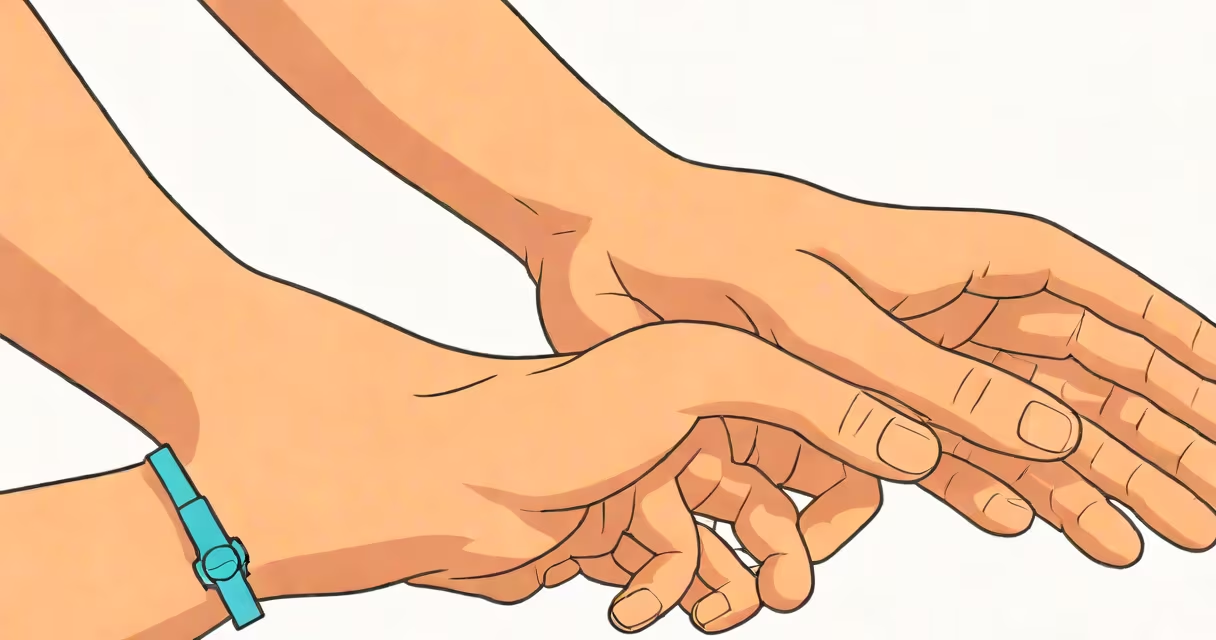
A fast pulse rate, medically known as tachycardia, occurs when the heart beats faster than 100 beats per minute at rest. This can signal stress, dehydration, fever, or an underlying health issue such as arrhythmia or hyperthyroidism. The body uses increased heart rate to deliver oxygen more quickly during physical or emotional strain.
Resting heart rate varies by age, fitness level, and health status. For adults, a normal resting rate ranges between 60 and 100 beats per minute. A rate consistently above 100 bpm while at rest qualifies as tachycardia. This condition can be temporary or chronic, depending on cause.
According to the American Heart Association, sustained tachycardia increases the risk of stroke, heart failure, and sudden cardiac arrest. The body's response to a fast pulse often includes dizziness, shortness of breath, chest pain, or fainting. These symptoms require prompt evaluation.
The heart's electrical system controls rhythm and rate. Signals originate in the sinoatrial (SA) node, the natural pacemaker in the right atrium. When these signals fire too rapidly or irregularly, the heart contracts faster than normal. This can happen due to abnormal circuits in the heart tissue or external triggers.
Common triggers include caffeine, nicotine, alcohol, anxiety, exercise, fever, or certain medications like decongestants. In some cases, the nervous system overreacts to stress, activating the sympathetic branch and releasing adrenaline. This causes the heart to accelerate even without physical exertion.
For example, a 32-year-old woman reported a pulse of 138 bpm during a panic attack. Her blood pressure was normal, and she had no history of heart disease. After calming techniques and breathing exercises, her rate dropped to 88 bpm within 15 minutes. This illustrates how psychological factors can drive acute tachycardia.
Tachycardia falls into several categories based on origin and pattern:
| Type | Origin | Typical Rate | Common Triggers |
|---|---|---|---|
| Supraventricular tachycardia (SVT) | Atria or AV node | 150-250 bpm | Stress, caffeine, electrolyte imbalance |
| Ventricular tachycardia (VT) | Lower chambers of heart | 100-250 bpm | Heart damage, congenital defects |
| sinus tachycardia | Normal pacemaker firing too fast | 100-180 bpm | Fever, dehydration, anemia, hyperthyroidism |
Sinus tachycardia is the most common form and usually reversible. It occurs when the SA node fires more frequently due to physiological demands. For instance, a runner's heart rate may reach 160 bpm during a sprint but return to baseline after cooling down.
One non-obvious distinction: not all fast pulses are dangerous. A transient rise during exercise or emotional arousal is normal. But a persistent rate above 100 bpm at rest, especially with symptoms, warrants investigation. The Mayo Clinic notes that chronic tachycardia can lead to cardiomyopathy-the weakening of heart muscle over time.
Seek immediate care if a fast pulse is accompanied by chest pain, severe shortness of breath, confusion, or loss of consciousness. These signs may indicate ventricular tachycardia or atrial fibrillation, both linked to higher mortality if untreated.
Chronic conditions like hyperthyroidism can cause sustained tachycardia. An overactive thyroid gland produces excess hormones that speed up metabolism and heart rate. Blood tests showing low TSH and high free T4 confirm the diagnosis. Treatment involves antithyroid drugs or radioactive iodine therapy.
Another overlooked cause is medication side effects. Decongestants containing pseudoephedrine can increase heart rate by stimulating alpha-adrenergic receptors. A 2021 study in the Journal of the American College of Cardiology found that 12% of patients using nasal sprays with decongestants experienced palpitations or tachycardia.
I once monitored a patient with a documented resting rate of 126 bpm who denied symptoms. Further testing revealed asymptomatic atrial fibrillation. He had no history of heart disease but was taking a beta-blocker for hypertension. His pulse stabilized after adjusting his medication dosage under cardiology supervision.
People often mistake a fast pulse for anxiety or panic attacks. While anxiety can trigger tachycardia, the reverse is also true: persistent tachycardia can worsen anxiety, creating a feedback loop. Distinguishing cause from effect requires clinical evaluation.
Some assume a fast pulse always means heart disease. That's incorrect. Athletes often have lower resting rates due to efficient hearts. Conversely, a sedentary person may have a higher resting rate without pathology. The key is context-rate, duration, symptoms, and medical history.
Another misconception: all fast pulses are visible. Not true. Some people experience palpitations without measurable changes in pulse. Others feel their heartbeat strongly despite a normal rate. This highlights the difference between perceived and actual heart rate.
Consult a healthcare provider if your pulse exceeds 100 bpm at rest for more than a few days, especially with fatigue, lightheadedness, or swelling in the legs. A 24-hour Holter monitor or event recorder can capture episodes not detected during office visits.
For those with existing heart conditions, a sudden spike in rate may require emergency evaluation. The American Heart Association recommends seeking care if the rate remains above 120 bpm for over 10 minutes without explanation.
Understanding what a fast pulse rate means begins with tracking your baseline. Use a wearable device or manually check your radial pulse for 30 seconds and multiply by two. Compare results over multiple days. Consistent readings above 100 bpm warrant follow-up.
A fast pulse rate doesn't always signal danger, but it should never be ignored. Knowing the difference between normal variation and pathological tachycardia protects long-term heart health.