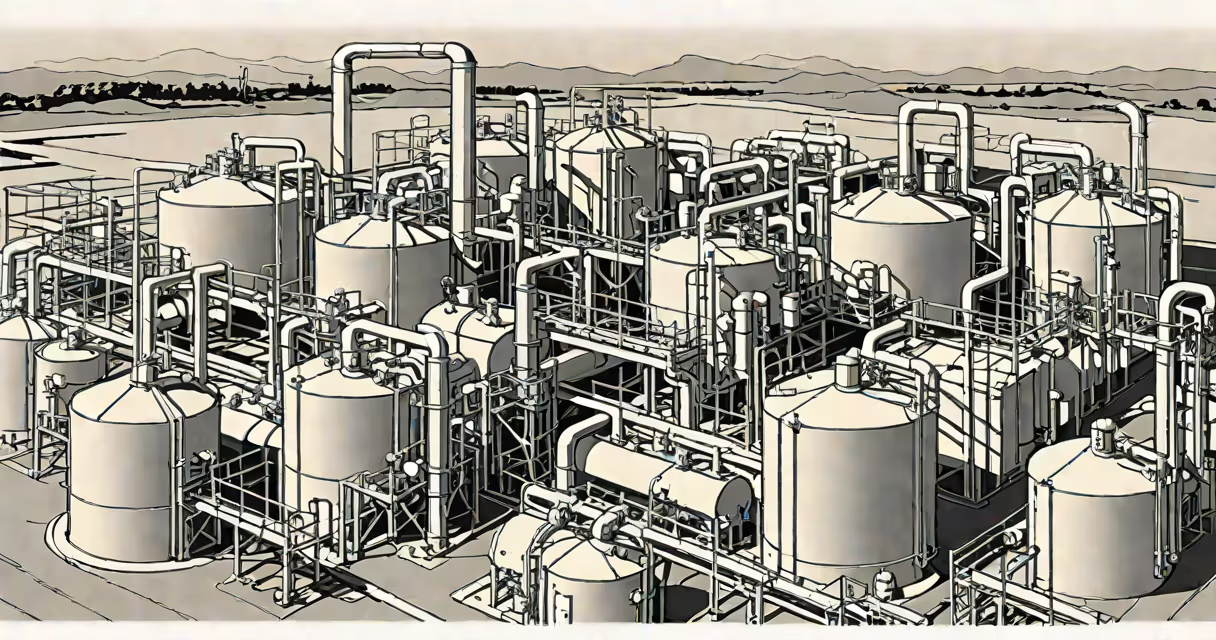
A water treatment plant removes harmful contaminants from raw water sources-like rivers, lakes, or groundwater-to produce clean, safe water suitable for drinking, cooking, and industrial use. It uses physical, chemical, and biological processes to eliminate pathogens, suspended solids, heavy metals, and dissolved chemicals.
Water treatment plants operate on a multi-stage system. Raw water enters through intake structures and undergoes screening to remove large debris like leaves and trash. It then moves to sedimentation basins where gravity separates heavier particles. After that, coagulation and flocculation processes bind tiny particles into larger clumps that settle out. The water is filtered through sand, gravel, or activated carbon layers to trap remaining impurities. Finally, disinfection with chlorine, ultraviolet light, or ozone kills bacteria and viruses.
The U.S. Environmental Protection Agency (EPA) sets national standards for drinking water quality under the Safe Drinking Water Act. All public water systems must meet these requirements, including monitoring for over 90 contaminants. A typical municipal plant treats 1 million gallons per day (MGD) or more, depending on population size. For example, the Blue Plains Advanced Wastewater Treatment Plant in Washington, D.C., handles 370 MGD of sewage and produces effluent that meets federal discharge limits.
Each stage in a water treatment plant targets specific types of contamination. Coagulation introduces chemicals like aluminum sulfate or ferric chloride to neutralize the charge on fine particles. This allows them to clump together during flocculation, forming flocs that are easier to remove. Without this step, filters would clog quickly and efficiency would drop.
Filtration follows coagulation and takes place in rapid sand filters or membrane systems. Sand filters rely on gravity and particle size differences to trap solids. Membrane filtration, such as reverse osmosis, forces water through semi-permeable membranes that block molecules larger than water, including nitrates, arsenic, and fluoride. Reverse osmosis plants can achieve removal rates above 95% for many contaminants.
Disinfection is the final barrier. Chlorine remains the most widely used agent due to its low cost and residual protection. However, it can form disinfection byproducts (DBPs) like trihalomethanes when reacting with organic matter. To reduce DBPs, some plants switch to chloramines or UV light. UV treatment doesn't leave a residue but provides immediate microbial inactivation. The EPA mandates that all treated water must have a minimum of 0.2 mg/L free chlorine residual at the tap.
Water treatment facilities vary based on source water quality, scale, and end-use. Municipal plants serve cities and towns, while industrial plants handle process water for manufacturing. Wastewater treatment plants treat sewage and industrial effluents before releasing them into waterways.
| Type | Source Water | Primary Contaminants Removed | Typical Output Use |
|---|---|---|---|
| Municipal | River, lake, groundwater | Bacteria, turbidity, iron, manganese | Drinking water, household use |
| Industrial | Process water, cooling water | Heavy metals, organics, high salinity | Manufacturing, cooling, boiler feed |
| Wastewater | Sewage, industrial runoff | BOD, nitrogen, phosphorus, pathogens | Environmental discharge, reuse |
Industrial wastewater treatment plants often require specialized steps. For example, a semiconductor factory may use ion exchange resins to remove trace metals like copper and nickel to parts-per-billion levels. These plants also manage chemical storage and disposal safely, following regulations set by the EPA's Clean Water Act.
Many people assume that "clean" water means "pure." But water deemed safe for consumption still contains minerals like calcium and magnesium. These are not removed intentionally because they contribute to bone health and taste. Removing all minerals can lead to corrosive water that leaches lead from pipes-a known risk in older infrastructure.
Another misunderstanding is that water treatment plants only deal with sewage. While wastewater treatment is a major function, the term "water treatment plant" usually refers to facilities processing raw water for human consumption. The distinction matters: drinking water plants focus on pathogen elimination and contaminant reduction; wastewater plants focus on nutrient removal and sludge management.
A lesser-known fact is that some water treatment plants use natural processes like constructed wetlands. These systems mimic ecosystems to filter pollutants using vegetation and microbial activity. The city of Arcata, California, operates a wetland-based system that treats 4.5 million gallons daily and supports endangered species habitat. It's one of the few publicly funded wetland systems integrated into a municipal water program.
Chicago draws water from Lake Michigan, which supplies about 1.5 billion gallons per day to its residents. The city operates four primary treatment plants: Calumet, North, South, and West. Each uses a combination of coagulation, sand filtration, and chlorination.
For instance, the Calumet plant treats 300 million gallons daily. It begins with coarse screening to remove debris. Then, aluminum sulfate is added to destabilize colloidal particles. After 30 minutes of mixing, the water flows into flocculation basins where gentle stirring encourages clumping. The floc-laden water enters sedimentation tanks where settled sludge is scraped away. The clarified water passes through dual-media filters (anthracite and sand) before final disinfection with chlorine gas.
Post-treatment, water samples are tested hourly for coliform bacteria, turbidity, and pH. Any deviation triggers an alarm and automatic shutdown of distribution valves. The system maintains a 99.9% compliance rate with EPA standards over five years, according to the Illinois Environmental Protection Agency.
When designing or upgrading a water treatment system, engineers consider flow rate, contaminant load, regulatory thresholds, and long-term maintenance. A failure in any single stage can compromise the entire output. Regular inspections, operator training, and automated monitoring ensure consistent performance.
Understanding what a water treatment plant does reveals how essential infrastructure keeps communities healthy. From removing invisible microbes to balancing mineral content, these facilities maintain public trust through science, regulation, and engineering. Their work helps every glass of tap water meets strict safety standards-no exceptions.