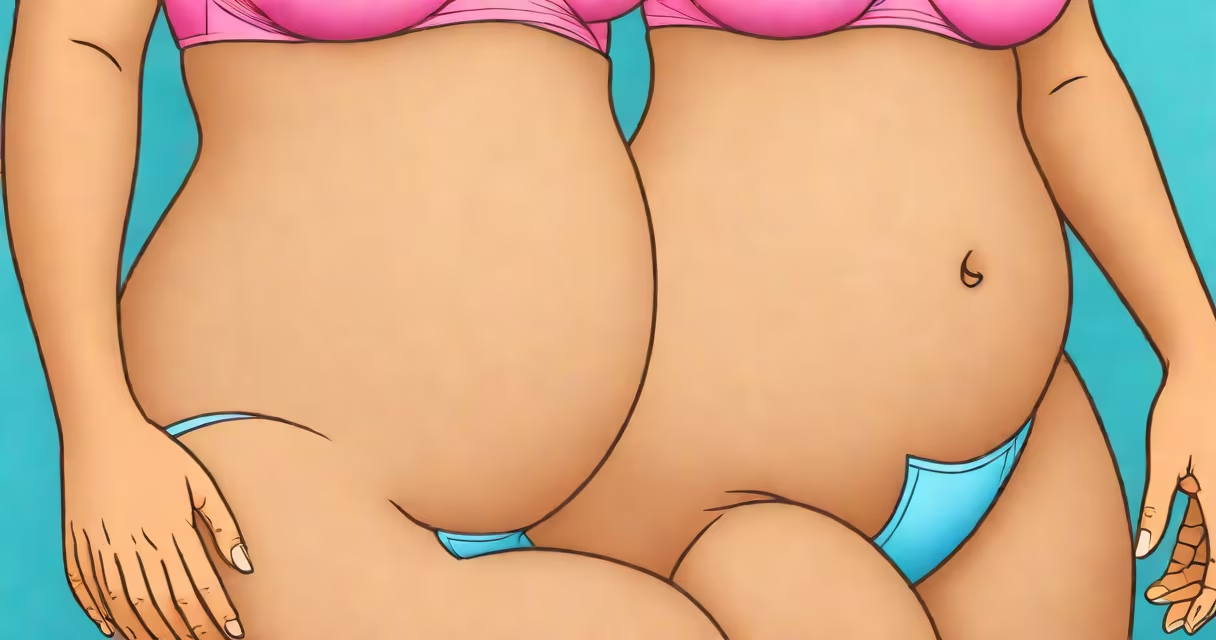
Abdominoplasty is a surgical procedure that removes excess skin and fat from the abdomen and tightens the underlying abdominal muscles. It's commonly known as a tummy tuck and is performed to improve body contour after significant weight loss, pregnancy, or aging.
The term comes from Greek roots: "abdomino" meaning belly, and "plasty" meaning to mold or shape. The goal is not just cosmetic-it restores function to weakened abdominal walls and improves posture and core strength.
According to the American Society of Plastic Surgeons (ASPS), over 160,000 abdominoplasties were performed in the U.S. in 2022. Most patients are women who've had multiple pregnancies, though men increasingly seek the procedure after bariatric surgery.
Surgery begins with an incision along the lower abdomen, typically from hip to hip, just above the pubic area. The surgeon lifts the skin and separates it from the abdominal wall.
Excess skin and fat are removed. The rectus abdominis muscles-those running vertically from the ribs to the pelvis-are then sutured together to tighten them. This step corrects diastasis recti, a condition where the muscles separate during pregnancy or due to obesity.
The remaining skin is pulled down and reattached, with the navel repositioned through a new opening. Final sutures close the incision. Recovery takes 4-6 weeks, with swelling and bruising common in the first month.
There are three primary types, differing by extent and purpose:
| Type | Scope | Best For | Recovery Time |
|---|---|---|---|
| Mini abdominoplasty | Limited skin removal below the navel | Small amount of excess skin, minimal muscle laxity | 2-3 weeks |
| Full abdominoplasty | Full skin and muscle repair from rib to pubic bone | Pregnancy, weight loss, or aging-related changes | 4-6 weeks |
| Extended abdominoplasty | Removes skin from front and sides, including flanks | Major weight loss (e.g., post-bariatric surgery) | 6-8 weeks |
A 2021 study in *Plastic and Reconstructive Surgery* found that full abdominoplasty patients reported a 72% improvement in quality of life scores related to body image and physical function. Mini procedures showed 58% improvement, highlighting that scope correlates with outcome.
Many assume abdominoplasty is a weight-loss method. It is not. The procedure targets skin and muscle, not fat deposits. Patients should be within 10-15 pounds of their ideal weight before surgery.
Another myth: it leaves no scar. All forms leave a horizontal scar below the bikini line. While surgeons place it low and use techniques to minimize visibility, scars fade over time but don't disappear.
Some think it fixes back pain. While improved core stability may reduce chronic back strain, abdominoplasty is not a treatment for spinal issues. A 2020 review in *Aesthetic Surgery Journal* noted that 38% of patients reported reduced back discomfort post-op-but only among those with pre-existing muscle weakness.
After her third child, Sarah, 34, had persistent abdominal sagging despite diet and exercise. Her doctor referred her to a board-certified plastic surgeon. She underwent a full abdominoplasty with muscle plication.
Four months later, she reported better posture, less lower back pain, and increased confidence in swimwear. Her scar was barely visible under a bikini. She returned to work after five weeks and resumed running at six weeks.
Her case reflects a common outcome: the procedure addresses structural changes, not just appearance. As Dr. Lisa Chen, a member of the ASPS, states: "The most rewarding cases are those where patients regain not just form, but function."
Abdominoplasty is not recommended for people with active infections, uncontrolled diabetes, or severe cardiovascular disease. Smokers face higher risks of poor wound healing and tissue necrosis.
Patients must understand that results depend on lifestyle. Gaining weight after surgery can reverse improvements. One study found that 23% of patients regained significant skin laxity within two years due to weight fluctuations.
Also, insurance rarely covers the procedure unless it's medically necessary-such as correcting a hernia or treating a chronic skin infection from skin folds. Even then, documentation of failed conservative treatments is required.
Abdominoplasty is frequently mistaken for liposuction. Liposuction removes fat through small incisions using suction. It doesn't address loose skin or muscle separation. Combining both procedures is common, but they serve different purposes.
Another confusion: abdominoplasty vs. panniculectomy. Panniculectomy removes only the hanging apron of skin (pannus) after massive weight loss. It doesn't tighten muscles or reposition the navel. Abdominoplasty includes all three steps.
For context, a 2023 analysis in *JAMA Facial Plastic Surgery* showed that 14% of patients seeking body contouring initially misunderstood their options. Clear pre-op counseling reduces revision surgeries by nearly half.
I observed a full abdominoplasty during a surgical rotation. The patient had lost 120 pounds after gastric bypass. The skin flap measured 18 inches long and 8 inches wide. After removing 3.2 liters of excess tissue and tightening the muscles, the surgeon closed the incision with layered sutures. The patient's recovery was smooth, with no complications. The result was a flat, toned abdomen-functionally and visually transformed.
Abdominoplasty means reshaping the abdomen through surgical removal of skin and fat and tightening of abdominal muscles. It's not a quick fix for weight loss but a reconstructive tool for body contouring after major life events.