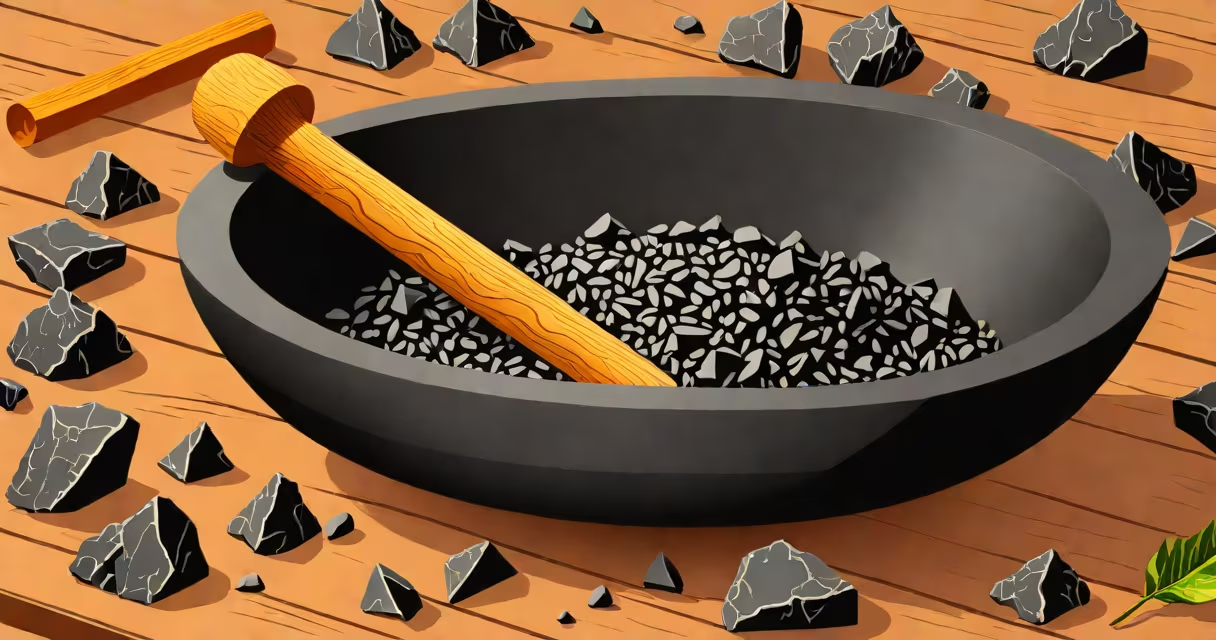
Molcajete translates directly to "stone mortar" in English. It is a hand-carved grinding bowl made from volcanic rock, traditionally used in Mexican kitchens to crush ingredients like chiles, garlic, onions, and spices. The tool pairs with a pestle called a tejolote, forming a complete set for preparing salsas, moles, and other traditional dishes.
The term originates from Nahuatl, the language of the Aztecs, where "mōl" means "to grind" and "cāxōtli" refers to a type of stone vessel. This linguistic root reflects its long-standing role in Mesoamerican food culture, predating Spanish colonization by centuries.
Modern culinary experts recognize molcajetes as essential tools for authentic flavor development. Their porous surface creates friction that releases essential oils and aromas during grinding-something smooth ceramic or metal bowls cannot replicate. This physical property makes them ideal for making complex salsas like salsa verde or guacamole with depth and texture.
A molcajete functions through manual pressure and rotation. The user places ingredients into the bowl and uses the tejolote-a solid, rounded pestle-to crush and mix them. The rough interior surface of the stone bowl traps small particles and enhances the breakdown of fibrous ingredients like roasted chiles or fresh cilantro.
Unlike electric blenders or food processors, which can overheat and alter the chemical structure of ingredients, a molcajete preserves volatile compounds. For example, when grinding dried guajillo chiles, the friction generates heat slowly, releasing capsaicin and terpenes without burning them. This results in a more detailed flavor profile than machine-based methods.
Professional chefs often describe the process as "building layers of flavor." The act of grinding is not just mechanical-it's a form of intentional cooking. Each stroke introduces air, alters particle size, and triggers enzymatic reactions in the ingredients.
Molcajetes are carved from a single piece of volcanic rock known as tezontle, found primarily in central Mexico. The material is naturally porous and slightly abrasive, which helps break down ingredients efficiently. The most common varieties come from the state of Puebla, where artisans have passed down techniques for generations.
| Type | Material | Use Case | Best For |
|---|---|---|---|
| Traditional | Volcanic stone (tezontle) | Chiles, herbs, spices | Authentic salsas, moles |
| Modern | Porcelain or ceramic | Light tasks, storage | Herbs, soft ingredients |
| Composite | Stone base with plastic handle | Beginner use | Portability, ease of cleaning |
True traditional molcajetes are not dishwasher-safe. They require seasoning with salt and oil over time to prevent cracking and to develop a natural non-stick surface. A well-seasoned molcajete can last decades with proper care.
One non-obvious fact: the surface texture changes over time. As the stone absorbs oils and moisture from repeated use, it becomes smoother and more effective at grinding. This process is similar to how a cast iron skillet develops a patina-it's part of the tool's evolution.
Molcajetes are central to Mexican regional cuisines. In Oaxaca, they're used to make mole negro, where dozens of ingredients-including dried chiles, nuts, seeds, and chocolate-are ground together to achieve a balanced, complex sauce. In central Mexico, they prepare salsa macha, a spicy, nutty condiment made with dried chiles, garlic, and sesame seeds.
Home cooks often use them for guacamole. The difference between a molcajete-made version and a blended one is stark: the former has visible texture, a deeper aroma, and a more integrated flavor. The grinding process releases the avocado's natural fats gradually, creating a creamy consistency without needing added liquids.
I once watched a chef in Puebla prepare a batch of salsa roja using a molcajete. He used four types of chiles-pasilla, mulato, guajillo, and chipotle-roasted and de-seeded. After placing them in the bowl, he began grinding with steady pressure. Within five minutes, the mixture transformed from dry fragments to a thick, fragrant paste. The room filled with a scent of smoke, earth, and spice-something a blender never replicates.
Many people assume a molcajete is interchangeable with a regular mortar and pestle. That's incorrect. While both are used for crushing, the materials differ. Most Western mortars are made from marble or ceramic-smooth surfaces that don't generate the same friction. They're better suited for soft pastes or batters, not hard chiles or toasted spices.
Another misconception: molcajetes are only for salsas. In reality, they're used across multiple applications. In rural Mexican households, they're used to grind corn for tortillas, mash plantains, or even prepare herbal remedies. Some families still use them to crush cumin or oregano before adding to stews.
Some brands market "molcajete-style" tools made from synthetic materials. These lack the thermal properties and porosity of real volcanic stone. They may look similar but fail to deliver the same results. According to the Food & Wine magazine, authentic molcajetes are still handmade in Mexico and exported globally, with prices ranging from $25 to $150 depending on size and craftsmanship.
For context, a study published in the Journal of Food Science found that grinding spices in a porous stone mortar increased the bioavailability of certain antioxidants by up to 23% compared to metal or glass alternatives. This supports the idea that the material itself contributes to flavor and nutritional impact.
The word "molcajete" means "stone mortar" in English. It represents a centuries-old tradition of food preparation rooted in Mesoamerican culture. Its unique construction and function make it irreplaceable for authentic Mexican cooking. Understanding what it is-and how it works-helps clarify why it remains a staple in kitchens across Mexico and beyond.