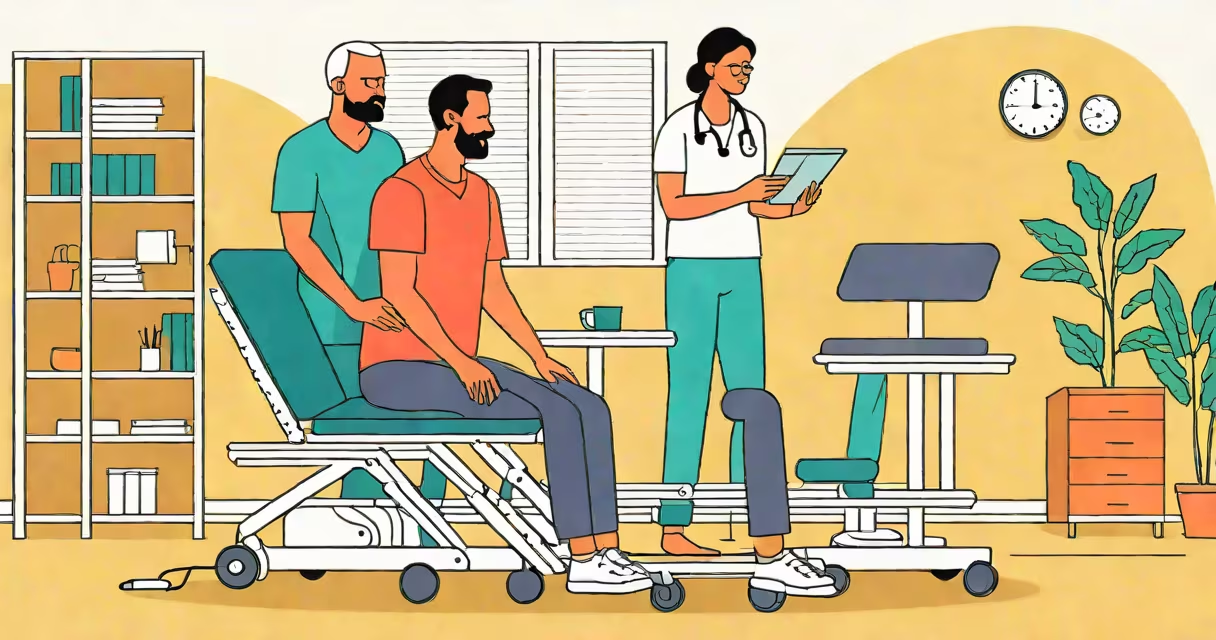
PT stands for physical therapist, and DPT stands for Doctor of Physical Therapy. A DPT is a licensed healthcare professional who diagnoses movement dysfunction and treats patients using exercise, manual therapy, and rehabilitation techniques.
The term "PT" refers to a licensed clinician trained to restore function after injury, surgery, or chronic illness. The "DPT" designation indicates the highest level of clinical education in the field, earned through a three-year graduate program accredited by the Commission on Accreditation in Physical Therapy Education (CAPTE).
While both titles refer to the same profession, DPT is the current standard credential. All new physical therapists entering practice since 2016 must hold a DPT degree. The title "physical therapist" remains accurate, but "DPT" reflects the advanced academic preparation required.
DPT programs require a bachelor's degree in a related field-such as biology, kinesiology, or exercise science-as a prerequisite. Applicants must complete specific coursework in anatomy, physiology, and biomechanics before applying.
Admission to a DPT program is competitive. Average GPAs among accepted students exceed 3.5, and most applicants have completed at least 100 hours of observation in clinical settings. Programs typically last three years and include 30-40 weeks of supervised clinical rotations across specialties like orthopedics, neurology, and pediatrics.
After graduation, candidates must pass the National Physical Therapy Examination (NPTE), administered by the Federation of State Boards of Physical Therapy (FSBPT). Licensure is state-specific, and requirements vary slightly across jurisdictions.
DPTs work across diverse care environments, including outpatient clinics, hospitals, sports medicine centers, and home health agencies. Their focus areas reflect patient populations and treatment goals.
| Specialization | Typical Patient Needs | Example Setting |
|---|---|---|
| Orthopedic | Recovery from joint injuries, post-surgical rehab | Outpatient clinic |
| Neurological | Stroke recovery, Parkinson's disease management | Rehabilitation center |
| Pediatric | Developmental delays, cerebral palsy, sports injuries in youth | Children's hospital |
| Cardiopulmonary | Post-heart attack care, COPD management | Hospital unit |
Each specialization requires additional training beyond the core DPT curriculum. For example, neurologic physical therapy often includes certification through the American Board of Physical Therapy Specialties (ABPTS), which requires passing a written exam and demonstrating clinical competence.
DPTs treat individuals recovering from acute injuries, managing chronic conditions, or seeking performance optimization. They assess movement patterns, identify impairments, and design individualized plans to improve strength, balance, flexibility, and coordination.
A common scenario involves a 55-year-old patient who underwent knee replacement surgery. After discharge from the hospital, they see a DPT for six weeks of outpatient therapy. The therapist evaluates gait, muscle activation, and joint range of motion. Over time, exercises progress from seated leg lifts to walking on uneven terrain. By week six, the patient walks without assistance and reports reduced pain during daily activities.
According to the U.S. Bureau of Labor Statistics, employment of physical therapists is projected to grow 15% from 2022 to 2032-faster than average. This growth stems from aging populations, increased rates of obesity, and rising demand for non-pharmacological pain management solutions.
Many people assume that "DPT" means a medical doctor (MD) or surgeon. That's incorrect. DPTs are not physicians. They do not prescribe medication or perform surgery. Their scope of practice focuses exclusively on movement-related health.
Another misconception is that all physical therapists are the same. In reality, DPTs differ based on their training, certifications, and clinical experience. A DPT specializing in sports injuries may use functional movement screening tools and plyometric drills. A DPT working in geriatrics may prioritize fall prevention through balance retraining and home safety assessments.
One overlooked fact: DPTs are not limited to treating musculoskeletal issues. Research published in the Journal of Orthopaedic & Sports Physical Therapy shows that DPTs play a key role in managing low back pain without imaging or opioid use. A 2021 study found that patients receiving early physical therapy for back pain had better outcomes and lower healthcare costs compared to those referred to specialists first.
I once worked with a patient recovering from a spinal cord injury. He was unable to stand independently after five months of inpatient rehab. His DPT introduced a progressive standing program using a tilt table and changing weight-bearing exercises. After eight weeks of biweekly sessions, he achieved independent standing with minimal support. His confidence improved, and he began participating in community-based adaptive sports. This outcome wasn't due to a single intervention-it was the result of consistent, evidence-based assessment and tailored progression.
There is no practical difference in job duties between a physical therapist with a DPT and one with an older degree format. The change in credentialing reflects evolving educational standards, not changes in clinical practice.
Before 2016, many physical therapists held master's degrees. Today, all entry-level programs leading to licensure are DPT programs. The shift was driven by the need for deeper clinical reasoning, research literacy, and complex problem-solving skills in patient care.
For patients, the key takeaway is that "DPT" signals a higher level of academic training. It does not imply greater authority or different treatment methods. Both DPTs and older-degree PTs operate under the same state regulations and ethical guidelines.
What does PT DPT mean? It refers to a licensed physical therapist holding a Doctor of Physical Therapy degree-the standard credential for clinical practice in the United States. These professionals assess movement, manage pain, and restore function across the lifespan. Understanding the role of a DPT helps clarify expectations in rehabilitation and promotes informed healthcare decisions.