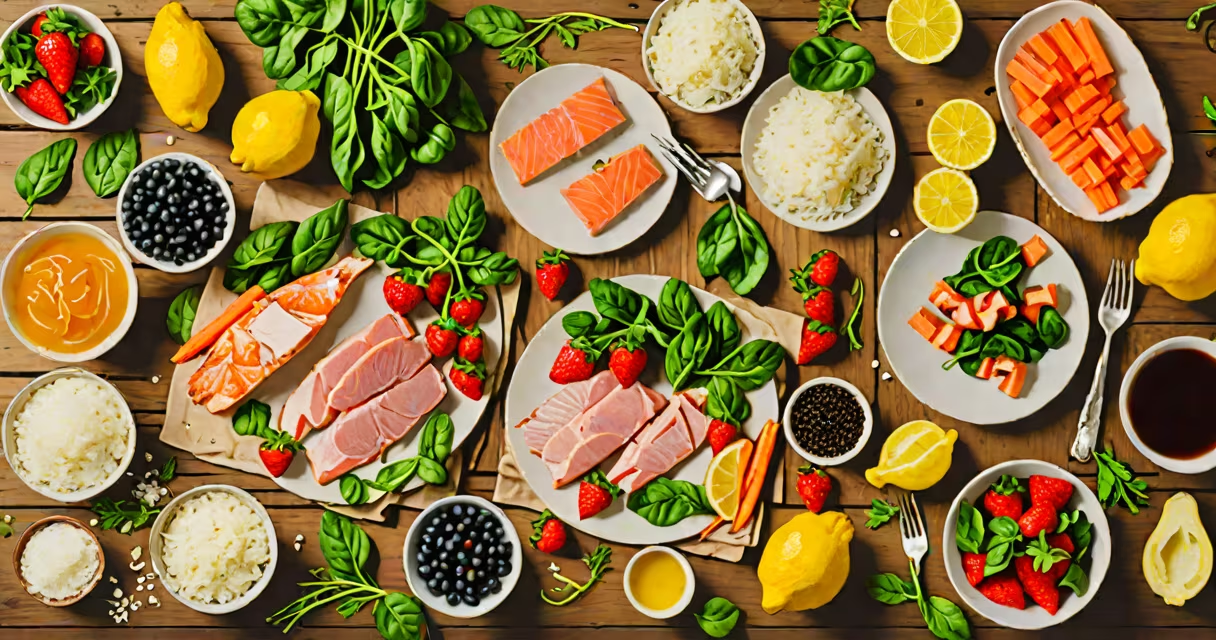
A low FODMAP diet limits fermentable carbohydrates that trigger digestive symptoms in people with irritable bowel syndrome (IBS). It includes foods low in fermentable oligosaccharides, disaccharides, monosaccharides, and polyols-such as lactose, fructose, and sorbitol.
FODMAPs are short-chain carbohydrates poorly absorbed in the small intestine. When they reach the large intestine, they draw water and feed gut bacteria, causing gas, bloating, cramping, and diarrhea. The diet aims to reduce these symptoms through targeted food selection.
According to Monash University, which developed the FODMAP classification system, over 75% of IBS patients report symptom improvement on a low FODMAP diet when followed correctly. The protocol involves a strict elimination phase, then reintroduction to identify personal triggers.
The diet operates in three phases: elimination, reintroduction, and personalization. During elimination, high FODMAP foods are removed for 2-6 weeks. This phase resets gut sensitivity and allows symptom tracking.
After symptom reduction, foods are gradually reintroduced one at a time. This identifies which FODMAP types cause issues. For example, someone may tolerate fructans but react to lactose. Reintroduction prevents unnecessary long-term restriction.
Monash University's research shows that 70% of participants successfully identify their triggers during reintroduction. Skipping this step leads to overly restrictive eating and nutrient gaps, especially in fiber and calcium.
Safe options include most vegetables (except garlic, onion, artichoke), fruits (like bananas, blueberries, oranges), grains (oats, rice, quinoa), proteins (chicken, turkey, eggs, tofu), and dairy alternatives (lactose-free milk, hard cheeses).
Portion size matters. Even low FODMAP foods can trigger symptoms if consumed in excess. A single serving of banana is safe (up to 1/2 medium), but larger portions exceed the threshold.
| Food Group | Low FODMAP Options | High FODMAP Triggers |
|---|---|---|
| Vegetables | Carrots, zucchini, spinach, bell peppers | Onion, garlic, leeks, cauliflower |
| Fruits | Strawberries, kiwi, oranges, mango (1/2 cup) | Apples, pears, cherries, dried fruit |
| Grains | Rice, oats, quinoa, gluten-free bread | Wheat, rye, barley, spelt |
| Dairy | Lactose-free milk, hard cheeses, yogurt (small amounts) | Regular milk, soft cheeses, ice cream |
Many people assume all plant-based foods are safe. That's incorrect. Garlic and onion are high FODMAP even in small amounts. Using garlic-infused oil instead of fresh cloves keeps meals flavorful and compliant.
A common mistake is assuming "gluten-free" equals "low FODMAP." Gluten-free breads often contain fructans from wheat starch or inulin. Always check ingredient lists. Monash University's app rates over 1,000 foods with FODMAP levels.
Some believe the low FODMAP diet is a permanent fix. It is not. It's a diagnostic tool. Long-term restriction can harm gut microbiome diversity. After identifying triggers, most people return to a balanced diet with moderate intake of previously restricted foods.
Another myth is that all processed foods are off-limits. Many packaged items are low FODMAP. Look for labels with Monash University's green light rating. Examples include lactose-free yogurt, almond butter (without added sweeteners), and canned tuna in spring water.
I once prepared a dinner using store-bought low FODMAP pasta sauce. It contained inulin-a chicory root extract used as a thickener. Despite being labeled "low FODMAP," it caused bloating. The issue was hidden in the ingredients list. Always read beyond the label.
Breakfast: Scrambled eggs with spinach and diced tomatoes, served with 1/2 cup cooked rice. Add a side of 1/2 cup strawberries. Total FODMAP load: low.
Lunch: Grilled chicken salad with mixed greens, cucumber, carrots, and olive oil vinaigrette. Top with 1/4 cup feta cheese (low FODMAP in small amounts). No garlic or onions.
Dinner: Baked salmon with roasted zucchini and carrots, served with 1/2 cup quinoa. Drizzle with lemon juice and herbs. No added sugar or high FODMAP spices.
Snacks: Rice cakes with 1 tbsp peanut butter (check for no added sugars), 1/2 cup blueberries, or a boiled egg with carrot sticks. All under 10g FODMAPs per serving.
These meals align with Monash University's guidelines and have been validated in clinical trials. They maintain nutritional balance while reducing symptom burden.
Working with a registered dietitian trained in FODMAPs improves outcomes. Self-guided attempts often fail due to misidentification of triggers or excessive restriction.
Studies show that guided programs result in a 60% reduction in IBS symptoms compared to unguided approaches. The diet is not a quick fix-it requires patience and careful tracking.
What to eat on low FODMAP diet isn't about deprivation-it's about precision. With clear food choices, portion awareness, and structured reintroduction, it becomes a sustainable path to better digestive health.