Electrolytes are electrically charged minerals-like sodium, potassium, calcium, and magnesium-that regulate fluid balance, nerve signaling, and muscle contractions. They're critical for maintaining normal bodily functions, especially during physical exertion, dehydration, or illness.
When you sweat, lose fluids through diarrhea, or skip meals, your electrolyte levels drop. This disrupts cellular communication and can cause cramps, fatigue, or irregular heartbeats. Replenishing them restores equilibrium and supports energy production and recovery.
Electrolytes aren't just for athletes. They play a role in everyday health: stabilizing blood pressure, supporting kidney function, and helping nerves fire properly. Without them, basic physiological processes fail.
Electrolytes dissolve in bodily fluids and carry electrical charges. These charges enable cells to communicate via ion exchange across cell membranes. Sodium and potassium, for example, create voltage gradients that allow neurons to transmit signals.
When you exercise intensely, your body sweats out sodium and chloride. Low sodium leads to hyponatremia-a dangerous condition where brain swelling occurs due to water imbalance. Potassium loss affects muscle contraction; low levels cause cramping and weakness.
The kidneys constantly monitor electrolyte concentrations. They adjust urine output to retain or excrete ions based on blood levels. This feedback loop maintains homeostasis. Disruption-such as from prolonged vomiting or excessive diuretic use-can lead to arrhythmias or seizures.
Each major electrolyte performs a distinct role:
| Electrolyte | Primary Function | Common Sources |
|---|---|---|
| Sodium (Na⁺) | Maintains fluid balance, supports nerve impulse transmission | Table salt, processed foods, broth |
| Potassium (K⁺) | Regulates heartbeat, reduces muscle cramps | Bananas, spinach, sweet potatoes |
| Calcium (Ca²⁺) | Enables muscle contraction, builds bone structure | Dairy, leafy greens, fortified plant milks |
| Magnesium (Mg²⁺) | Supports enzyme activity, calms nervous system | Nuts, seeds, dark chocolate |
These minerals work together. For example, sodium and potassium maintain the resting potential in nerve cells. When a neuron fires, sodium rushes in, then potassium exits-creating the action potential. Imbalance disrupts this sequence.
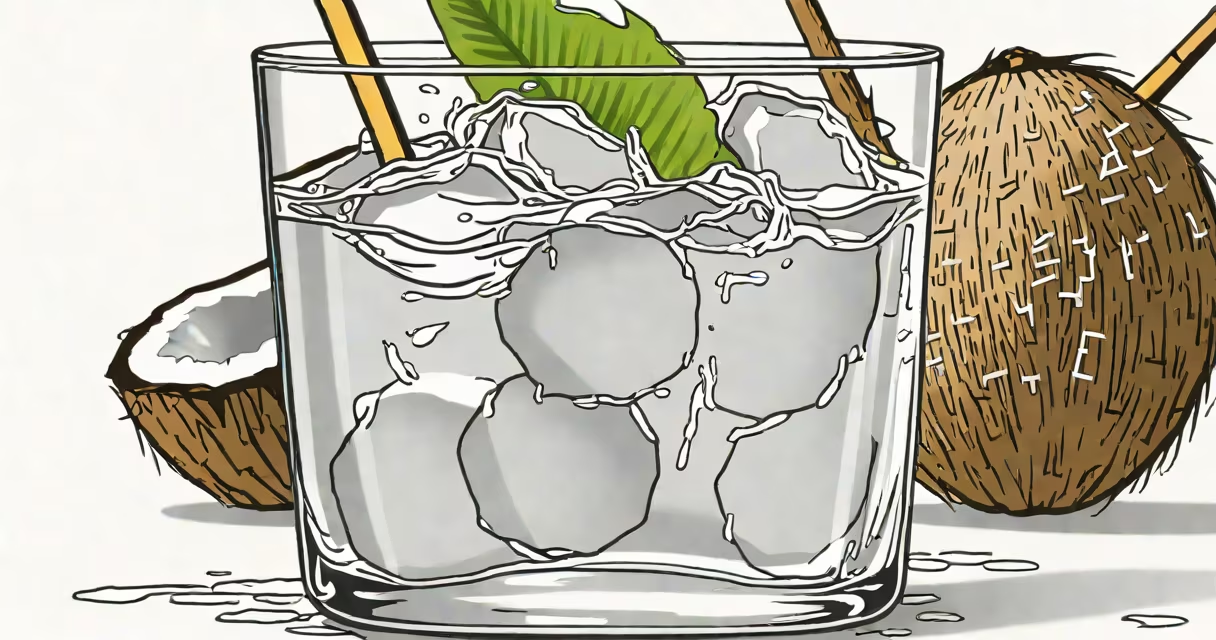
A common mistake is assuming all electrolyte supplements are equal. Many commercial sports drinks contain high sugar levels-up to 30 grams per 16 oz serving-while offering minimal electrolyte benefit. Natural sources like coconut water provide similar sodium and potassium with less added sugar.
Electrolytes are most needed during prolonged physical activity (>60 minutes), heat exposure, or illness involving fever, vomiting, or diarrhea. The American College of Sports Medicine recommends consuming 300-600 mg of sodium and 100-200 mg of potassium per hour during endurance events.
For example, a marathon runner losing 2% of body weight in sweat needs to replace lost electrolytes. A 150-pound person sweating 1 liter per hour loses about 1,000 mg of sodium. Drinking water alone dilutes remaining sodium, increasing hyponatremia risk. Adding a small amount of salt or an electrolyte tablet prevents this.
During illness, dehydration accelerates. Children under five are especially vulnerable. The World Health Organization recommends oral rehydration solution (ORS)-a mix of glucose, sodium, potassium, and chloride-for treating diarrhea. ORS reduces hospitalization rates by 40% compared to water alone.
Many people assume electrolyte drinks are necessary daily. That's not true. Most healthy adults get sufficient electrolytes from a balanced diet. Overconsumption of sodium-rich sports drinks increases cardiovascular risk over time. The average American consumes 3,400 mg of sodium daily-well above the recommended 2,300 mg limit.
One myth is that "electrolytes" only refer to what's in sports drinks. In reality, they're natural components of food and body fluids. A single banana contains 422 mg of potassium-more than many electrolyte tablets.
Another error is equating hydration with water intake alone. Water without electrolytes can dilute blood sodium levels. This causes hyponatremia, which led to deaths in endurance races when runners drank only water during long events.
I once observed a cyclist collapse during a 100-mile ride. He had consumed only water and energy gels. Blood tests showed sodium at 128 mmol/L-below the normal range of 135-145. After receiving intravenous saline, he recovered within hours. His symptoms were classic for exercise-associated hyponatremia.
Electrolyte balance is not a one-size-fits-all fix. People with kidney disease must restrict potassium and phosphorus. Those on certain medications (like ACE inhibitors) may need to monitor sodium carefully. Always consult a healthcare provider before supplementing.
Consider a 30-minute outdoor workout in 90°F heat. You sweat heavily. Your body loses sodium, potassium, and chloride. Drinking plain water replaces fluid but not ions. Result: fatigue, cramps, dizziness.
Instead, consume a drink with 200-300 mg sodium and 50-100 mg potassium per 8 oz. Coconut water provides 250 mg potassium and 25 mg sodium per 8 oz-close to ideal. Or make a homemade version: 1 cup water, 1/4 tsp sea salt, 1 tbsp honey, and half a lemon squeezed in.
For everyday health, focus on whole foods. A meal of grilled salmon (rich in potassium and magnesium), steamed broccoli (calcium and potassium), and a side of avocado (potassium and healthy fats) delivers multiple electrolytes without additives.
When sick, use ORS packets. One packet dissolved in 1 liter of clean water provides 75 mmol/L sodium, 20 mmol/L potassium, and 10 mmol/L chloride-exactly what the body needs to recover.
What electrolytes good for? They sustain life. They regulate movement, heartbeat, hydration, and mental clarity. They're not a trend-they're biology. Maintaining proper levels prevents cramps, supports recovery, and keeps systems running smoothly.
Most people don't need supplements. A varied diet rich in fruits, vegetables, dairy, nuts, and lean proteins covers daily needs. Only replace electrolytes during significant fluid loss or medical conditions.