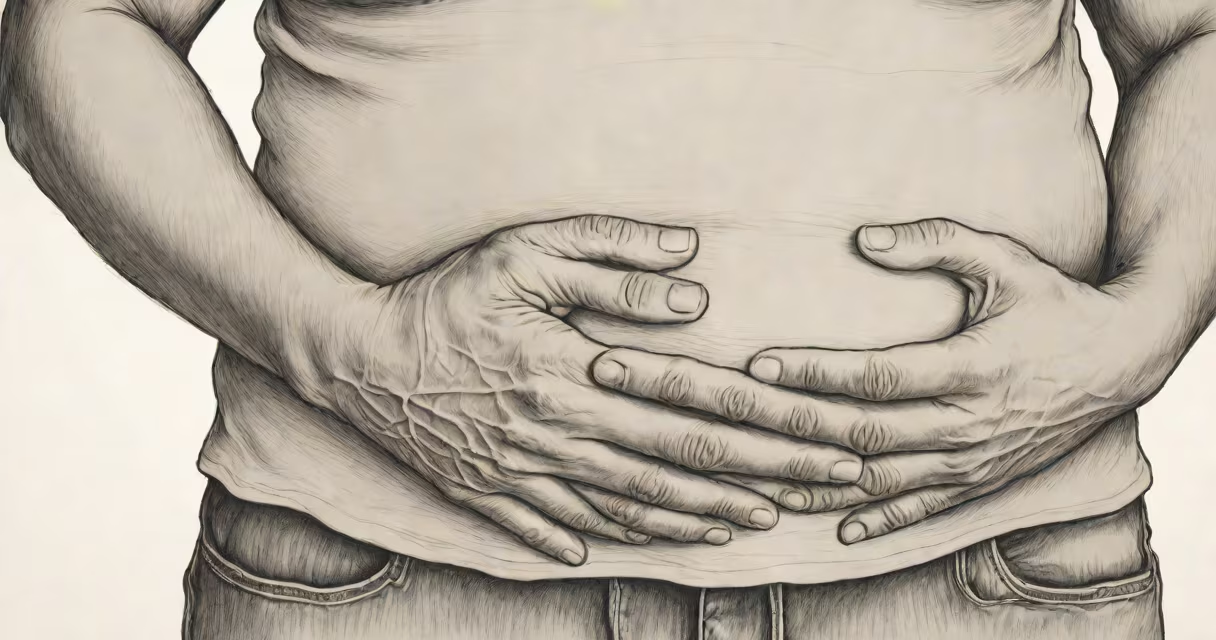
Severe stomach pain demands prompt evaluation and targeted treatment. Immediate relief may come from medications, hydration, or positioning, but underlying causes like appendicitis, pancreatitis, or bowel obstruction require medical intervention. What helps with severe stomach pain depends on the root issue, ranging from antacids for acid reflux to surgery for ruptured organs.
Acute severe stomach pain often results from sudden inflammation, blockage, or tissue damage. The body signals distress through sharp, cramping, or constant pain localized to the upper or lower abdomen. Common triggers include food poisoning, gallstones, peptic ulcers, or inflammatory bowel disease flare-ups. When pain lasts longer than 2 hours, worsens with movement, or includes fever, vomiting blood, or inability to pass stool, it indicates a medical emergency.
Non-emergency cases may involve functional gastrointestinal disorders like irritable bowel syndrome (IBS), where pain fluctuates with diet and stress. These conditions don't show structural damage on imaging but still cause significant discomfort. Identifying whether pain stems from mechanical, infectious, inflammatory, or neurological origins determines effective management. What helps with severe stomach pain varies widely depending on diagnosis.
Treatment begins with identifying the cause. A doctor may order blood tests, urine analysis, abdominal ultrasound, CT scan, or endoscopy. For example, elevated white blood cells and C-reactive protein suggest infection or inflammation. Abnormal liver enzymes may indicate bile duct issues. Imaging reveals organ swelling, fluid buildup, or obstructions.
Medications differ by condition. Proton pump inhibitors (PPIs) reduce stomach acid and treat ulcers or GERD-related pain. Antispasmodics like hyoscine relieve intestinal cramps. Antibiotics treat bacterial infections such as *H. pylori* or diverticulitis. Pain relievers like acetaminophen are safer than NSAIDs, which can worsen ulcers. In cases of kidney stones, alpha-blockers help pass fragments.
For patients with chronic pain, low-dose antidepressants such as amitriptyline are prescribed off-label to modulate nerve signaling. This approach reduces pain perception even without depression. A 2021 study in Gastroenterology found that 60% of IBS patients reported improved quality of life using tricyclic antidepressants at 10 mg daily.
Understanding the origin of pain guides effective action. Below are common categories and their treatments:
| Condition | Common Symptoms | What Helps |
|---|---|---|
| Peptic ulcer | Burning pain, especially between meals; black stools | PPIs, antibiotics (if *H. pylori* positive), avoid alcohol and NSAIDs |
| Appendicitis | Pain starts near navel, moves to lower right side; fever, loss of appetite | Surgery (appendectomy); do not take laxatives or painkillers |
| Gallstones | Sharp pain under right rib cage after fatty meals; nausea | Urgent ultrasound; surgery if symptomatic; fasting until evaluated |
| Diverticulitis | Left lower quadrant pain, fever, constipation | Oral antibiotics, clear liquids, hospitalization if severe |
Some people mistake gas pain for something serious. Bloating and cramping after eating beans or carbonated drinks usually resolve with walking or simethicone. But persistent pain after meals may signal delayed gastric emptying or small intestinal bacterial overgrowth (SIBO).
One overlooked factor: medication-induced pain. Nonsteroidal anti-inflammatory drugs (NSAIDs) like ibuprofen are linked to 15% of acute ulcers. A 2022 review in The Lancet Gastroenterology & Hepatology found that regular NSAID users had a 3.5 times higher risk of gastrointestinal bleeding compared to non-users.
Many assume that drinking milk or eating bland foods always soothes stomach pain. While these may help mild indigestion, they worsen symptoms in conditions like lactose intolerance or gastritis. Milk increases acid production in some individuals, leading to rebound pain.
Another error is self-medicating with antacids for prolonged pain. While antacids neutralize acid temporarily, they mask symptoms of deeper issues like tumors or strictures. Persistent pain despite antacids suggests a need for endoscopy.
People often confuse heartburn with severe stomach pain. Heartburn feels like burning behind the breastbone and worsens when lying down. True abdominal pain involves the belly area and may radiate to the back or shoulder. If pain spreads to the left arm or jaw, seek cardiac evaluation immediately.
I once observed a patient who believed her severe lower abdominal pain was menstrual. She delayed care for 48 hours. By then, she had a ruptured ovarian cyst requiring emergency surgery. Her initial pain was misattributed to period cramps, a common but dangerous delay.
Red flags demand urgent care. Call emergency services if pain is sudden and intense, especially with:
Chronic or recurring pain lasting more than two weeks should be evaluated by a gastroenterologist. Conditions like Crohn's disease or celiac disease may present with intermittent pain and weight loss. Early diagnosis improves long-term outcomes.
What helps with severe stomach pain depends on accurate diagnosis. Do not ignore warning signs. Prompt medical evaluation prevents complications and ensures targeted treatment. Always consult a healthcare provider before starting new therapies.