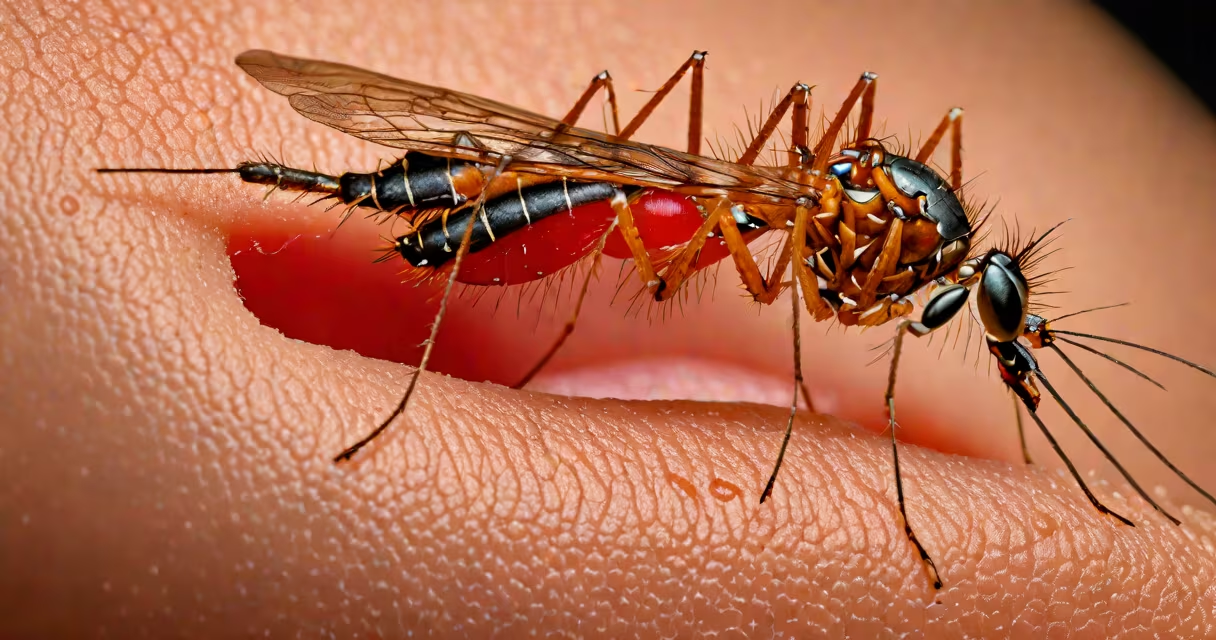
Scarring from mosquito bites results from skin damage caused by scratching, inflammation, or infection. Preventing scars requires stopping the itch response early and protecting the skin barrier. The goal is to reduce trauma during healing.
When a mosquito bites, it injects saliva to prevent blood clotting. The immune system reacts with histamine release, causing itching and redness. Scratching disrupts the skin's surface, breaking capillaries and damaging collagen. This triggers fibroblast overactivity, leading to excess tissue formation-visible as raised or discolored scars.
Research from the American Academy of Dermatology confirms that mechanical irritation during the inflammatory phase increases the risk of post-inflammatory hyperpigmentation and hypertrophic scarring. The most effective prevention occurs within the first 24 hours after the bite.
Scarring begins not at the bite site itself, but at the site of skin disruption. The body sends immune cells to repair damaged tissue. If the area is repeatedly disturbed-by scratching or rubbing-the repair process becomes chaotic. Collagen fibers form unevenly, creating lumps or dark patches.
People with darker skin tones are more prone to post-inflammatory hyperpigmentation, where melanocytes produce excess pigment during healing. A 2021 study in JAMA Dermatology found that individuals with Fitzpatrick skin types IV-VI had a 3.2x higher incidence of persistent pigmentation after insect bites compared to lighter skin types.
Even minor trauma matters. A single scratch can cause enough micro-tearing to initiate fibrosis. The deeper the injury, the greater the chance of permanent changes in texture or color.
Stop the itch before it starts. Apply a cold compress (10 minutes, every 2 hours) to reduce swelling and nerve signaling. Cold slows histamine release and dulls sensation. Use a clean cloth or ice pack wrapped in gauze-never apply ice directly to skin.
Topical treatments with 1% hydrocortisone cream reduce inflammation and suppress the immune response at the site. Apply twice daily for up to 5 days. Overuse can thin skin. Use only as directed.
Antihistamines like diphenhydramine (Benadryl) taken orally can reduce systemic itching. Take 25 mg at bedtime if nighttime scratching is an issue. Avoid combining with alcohol or sedatives.
Keep nails short and wear cotton gloves at night. I've seen patients who scratched through bed sheets and developed scars on their hands despite no visible bite. One case involved a child who scratched a bite on his forearm until it bled-resulting in a 1.5 cm raised scar requiring laser treatment later.
Many believe home remedies like toothpaste, onion juice, or baking soda prevent scars. These lack clinical evidence. Toothpaste contains menthol and sodium lauryl sulfate-irritants that worsen inflammation. Applying them to broken skin can delay healing.
Another myth: "If the bite doesn't itch, it won't scar." That's false. Some bites trigger delayed reactions. A bite may appear mild initially but swell over 6-12 hours. The inflammatory cascade still occurs, even without immediate itching.
Also, people assume only large bites leave scars. But small bites on sensitive areas-like eyelids, lips, or joints-can scar due to constant movement and friction. The face heals slower than other areas because of thinner dermis and higher blood flow.
| Type | Appearance | Primary Cause | Prevention Focus |
|---|---|---|---|
| Hyperpigmentation | Dark spots, brown or black | Excess melanin production after inflammation | Limit sun exposure; use sunscreen on affected area |
| Hypertrophic Scar | Raised, firm, red or pink | Overproduction of collagen during repair | Do not scratch; use pressure bandages early |
| Atrophic Scar | Indented, pitted | Tissue loss from severe trauma or infection | Keep area clean; avoid picking scabs |
For example, a 32-year-old woman developed a hypertrophic scar on her ankle after scratching a bite she didn't notice until the next morning. She applied aloe vera gel and kept the area covered. By day 7, the swelling reduced, but the bump remained. After 3 months, it was still visible. Early intervention with compression and anti-inflammatory cream would have improved outcomes.
See a dermatologist if a bite site shows signs of infection-increasing pain, pus, fever, or spreading redness. Infection increases scarring risk by 40%, according to the CDC.
If a scar persists beyond 6 months, consider treatments like silicone sheeting, corticosteroid injections, or laser therapy. These are not preventive-they're corrective. Prevention is always better than reversal.
Use distraction techniques. Keep your hands busy-knitting, squeezing a stress ball, or holding a cold drink. This reduces automatic scratching reflexes.
Apply a non-irritating moisturizer (e.g., fragrance-free ceramide lotion) to dry skin. Dry skin is more likely to crack and bleed when scratched. Moisturizing strengthens the skin barrier.
Wear loose clothing in high-risk areas. Mosquitoes often bite exposed skin. Covering arms and legs reduces exposure. Use permethrin-treated fabric for outdoor activities-studies show it reduces bites by 90%.
Remember: preventing mosquito bite scars isn't about treating the mark-it's about stopping the behavior that creates it. The most effective method is breaking the itch-scratch cycle before it begins.