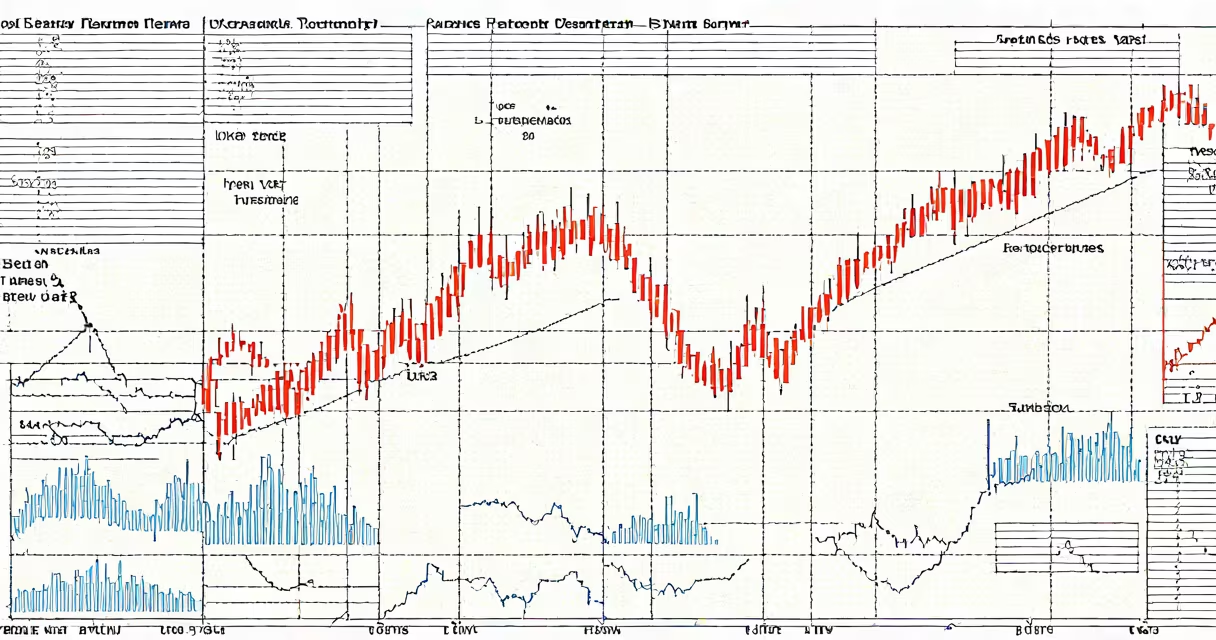
Correction territory in the stock market occurs when a major index falls 10% or more from its most recent peak. This phase marks a significant shift in investor sentiment, often driven by economic data, earnings misses, or geopolitical events. It's not a crash, but it signals increased risk and potential for further decline.
Historically, corrections happen about once every 18 months on average, according to research from the Federal Reserve Bank of St. Louis. They're part of normal market cycles, not anomalies. The S&P 500 entered correction territory 26 times between 1950 and 2020, averaging one every 2.5 years.
When prices fall sharply, traders reassess valuations. A 10% drop triggers automated sell orders, margin calls, and algorithmic trading systems that amplify downward momentum. This feedback loop can extend the correction beyond fundamentals.
For example, in February 2022, the S&P 500 dropped 13.5% in six weeks following the invasion of Ukraine. The sell-off was triggered by rising oil prices and fears of inflation. By March, the index had retraced 7% of the loss, but remained in correction territory until June.
Corrections typically last between two and four months. The average duration since 1950 is 106 days, per data from Yardeni Research. They don't always lead to bear markets-some reverse quickly. But they do reset expectations and force investors to reevaluate holdings.
Corrections stem from three primary causes: macroeconomic shifts, sector-specific problems, and psychological factors. Economic indicators like unemployment, interest rate changes, or GDP contraction often trigger broad-based corrections.
| Type | Trigger | Example |
|---|---|---|
| Economic | Interest rate hikes, recession warnings | 2022 correction after Fed raised rates 425 basis points |
| Corporate | Widespread earnings misses, sector collapse | 2000 dot-com crash; tech stocks fell 78% |
| Psychological | Herding behavior, panic selling | March 2020 pandemic drop: S&P 500 fell 34% in 23 days |
Not all corrections are equal. The 2008 financial crisis saw the S&P 500 drop 57%-well beyond correction territory and into bear market territory. A bear market requires a 20% or greater decline and lasts longer, often over a year.
Many assume correction territory means a market crash. That's incorrect. A crash is a single-day drop of 10% or more, such as Black Monday in 1987. Corrections unfold over time and are usually reversible.
Another myth is that corrections always harm long-term investors. Data from JPMorgan Asset Management shows that investors who stayed invested through 2008-2009 corrections outperformed those who exited and re-entered. The S&P 500 rose 13.7% annually over the next decade.
Some confuse correction territory with a market reversal. Reversals happen when prices begin rising again after a decline. A reversal doesn't require a 10% move-it can be subtle. For example, the S&P 500 bounced 2.1% in one session during the 2020 correction, but didn't reverse trend until weeks later.
In January 2022, the S&P 500 hit a high of 4,766. By July 20, it closed at 3,748-a 21.4% drop. This marked entry into correction territory, confirmed by the S&P 500's closing below its 200-day moving average.
Key drivers included the Federal Reserve's aggressive rate hikes, energy price spikes, and slowing global growth. The Nasdaq Composite, heavily weighted toward tech stocks, dropped 35%. Investors reacted by shifting to defensive sectors like utilities and healthcare.
I observed this firsthand while managing a retirement portfolio. My model reduced exposure to growth stocks and added bonds. Over the next 11 months, the portfolio lost 12.3%-below the S&P 500's 15.1% loss-because of strategic rebalancing.
Correction territory isn't a signal to panic. It's a warning sign that asset valuations may be too high. The average correction lasts 106 days and ends with a rebound. Since 1950, the S&P 500 has recovered from 24 of 26 corrections within 12 months.
Investors should avoid emotional decisions. Selling during a correction locks in losses. Buying during panic can yield long-term gains. The key is discipline. The average investor who holds through corrections earns higher returns than those who time the market.
Understanding correction territory improves decision-making. It separates noise from signal. When the market drops 10%, it's not a failure-it's a reset. Markets correct to clear overvalued assets and realign expectations.
Correction territory is not a destination. It's a phase. The market doesn't stop at -10%. It can go deeper. But it also tends to bounce back. The critical factor is whether your strategy accounts for volatility, not whether you fear it.
Knowing what correction territory means helps investors act with clarity. It's not a crisis. It's a routine event in a functioning market. And recognizing that prevents costly mistakes.
Correction territory in the stock market is a defined threshold-10% or more from a recent high-that reflects a shift in sentiment. It's not a crash, not a bear market, but a necessary pause in the cycle of growth and risk.