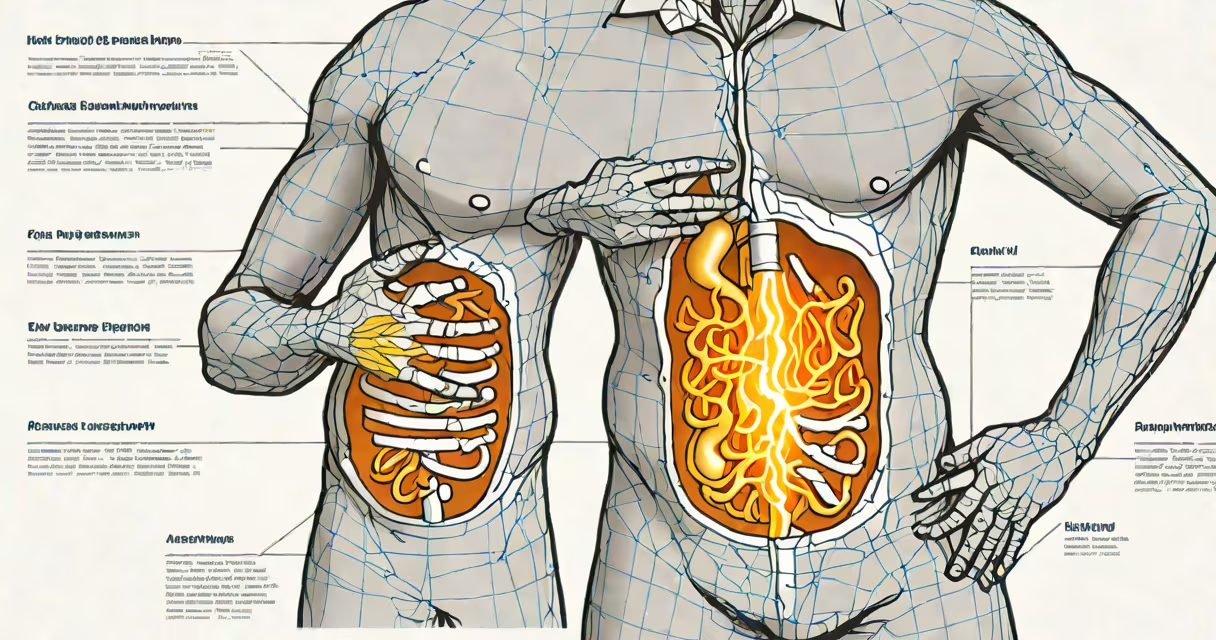
Gas symptoms refer to physical sensations caused by excess air or gas buildup in the digestive tract, including bloating, burping, flatulence, and abdominal pain. These occur when swallowed air or gas produced during digestion accumulates in the stomach or intestines. The condition affects most people at some point, often triggered by diet, swallowing air, or gut bacteria imbalances.
Gas symptoms arise from pressure changes in the gastrointestinal tract. When gas moves through the intestines, it can stretch the intestinal walls, triggering nerve signals interpreted by the brain as discomfort or pain. Not all gas causes noticeable symptoms-many people pass gas daily without issue. But when gas builds up or moves abnormally, it leads to the familiar signs: bloating, cramping, and frequent passing of gas.
Common triggers include eating beans, carbonated drinks, chewing gum, or swallowing air while talking or eating quickly. Some individuals have difficulty digesting certain carbohydrates, such as lactose or fructose, leading to increased gas production. The American Gastroenterological Association notes that functional gastrointestinal disorders like irritable bowel syndrome (IBS) often involve gas-related symptoms, though they may not always correlate with actual gas volume.
The digestive system produces gas as a byproduct of bacterial fermentation in the large intestine. Bacteria break down undigested carbohydrates-like fiber, lactose, and certain sugars-into gases such as hydrogen, methane, and carbon dioxide. These gases accumulate and move through the colon, sometimes causing distension and discomfort.
Swallowed air contributes to upper GI gas. Activities like drinking through a straw, smoking, or eating rapidly increase air intake. This air travels through the esophagus and stomach, often exiting as a burp. While burping relieves pressure, it doesn't eliminate the gas-it redistributes it lower in the tract.
When gas reaches the rectum, it's expelled as flatus. The average person passes gas 14 times per day. A study published in Gut found that healthy adults produce about 0.6 to 1.2 liters of gas daily, much of which is odorless. Odor comes from sulfur-containing compounds like hydrogen sulfide, produced by specific gut bacteria such as *Desulfovibrio* species.
Gas symptoms fall into two categories: mechanical (pressure-related) and chemical (bacterial fermentation). Mechanical symptoms stem from gas movement and pressure, causing bloating and cramps. Chemical symptoms result from gas composition and irritation of intestinal lining.
| Type | Common Signs | Primary Cause | Typical Duration |
|---|---|---|---|
| Swallowed Air | Burping, upper bloating, belching | Fast eating, drinking soda, chewing gum | Minutes to hours |
| Fermentation Gas | Lower abdominal bloating, flatulence, cramps | Undigested carbs, gut microbiome activity | Several hours after meals |
| Reflux-Related | Upper chest pressure, sour taste, burping | Stomach acid moving upward, air trapped in esophagus | Variable, often post-meal |
One non-obvious fact: bloating is not always due to gas. A 2020 review in Alimentary Pharmacology & Therapeutics found that up to 40% of patients reporting bloating had normal gas volumes. Instead, bloating often results from altered gut sensitivity or delayed gastric emptying, meaning the sensation arises even when little gas is present.
I once observed this in a clinical setting: a patient reported severe bloating after eating a meal high in legumes. Despite elevated gas levels confirmed via breath testing, the bloating resolved only after addressing gut motility with low-dose medication-not just reducing gas. This highlights that symptom severity doesn't always match gas volume.
Gas symptoms typically appear after meals, especially those rich in fiber, dairy, or processed sugars. They're common in people with food intolerances, such as lactose intolerance (affecting ~65% of adults globally, per the National Institutes of Health), or fructose malabsorption.
Conditions like small intestinal bacterial overgrowth (SIBO) can cause excessive gas due to bacteria fermenting food in the small intestine-where they shouldn't be. SIBO is linked to chronic bloating and diarrhea. A 2018 study in Clinical Gastroenterology and Hepatology showed that 70% of IBS patients tested positive for SIBO using a hydrogen breath test.
Gas symptoms are frequently misattributed to stress. While stress doesn't produce gas, it can heighten perception of discomfort. The gut-brain axis allows emotional states to influence gut motility and sensitivity. Anxiety may amplify the feeling of bloating even when gas levels are normal.
Many assume all gas smells bad. In reality, most gas is odorless. The smell comes from trace amounts of sulfur compounds-just 0.0001% of total gas volume can produce a noticeable odor. This explains why flatulence varies in smell depending on diet and gut flora.
Another misconception: gas pain equals gas. Pain from gas is often dull, cramping, or sharp, localized in the lower abdomen. However, pain from other conditions-such as diverticulitis, appendicitis, or ovarian cysts-can mimic gas pain. Persistent or worsening pain requires medical evaluation.
Some confuse gas symptoms with heartburn. While both involve upper abdominal discomfort, heartburn stems from acid reflux, not gas. Heartburn typically occurs after lying down or bending over and feels like burning behind the sternum. Gas-related pain is more diffuse and often improves with passing gas or moving.
Dietary adjustments are the first-line treatment. Reducing intake of high-FODMAP foods-fermentable oligosaccharides, disaccharides, monosaccharides, and polyols-can reduce gas production. Examples include onions, garlic, wheat, apples, and artificial sweeteners like sorbitol.
Over-the-counter remedies like simethicone (found in products such as Gas-X) work by breaking up gas bubbles, making them easier to pass. A 2019 Cochrane review found simethicone reduced bloating and discomfort in 60% of users with functional gastrointestinal symptoms.
For persistent cases, a healthcare provider may recommend a breath test to detect SIBO or lactose intolerance. Treatment may include antibiotics like rifaximin for SIBO or lactase enzyme supplements for lactose intolerance.
Identify patterns in your gas symptoms to understand triggers. Tracking food intake, timing of symptoms, and bowel movements helps pinpoint issues. If symptoms last longer than four weeks or include weight loss, blood in stool, or fever, seek medical advice.
Understanding what is gas symptoms begins with recognizing that they're not just about volume-they're about sensation, movement, and individual biology. Most cases resolve with dietary awareness and simple interventions. When symptoms persist, medical evaluation ensures accurate diagnosis and effective relief.