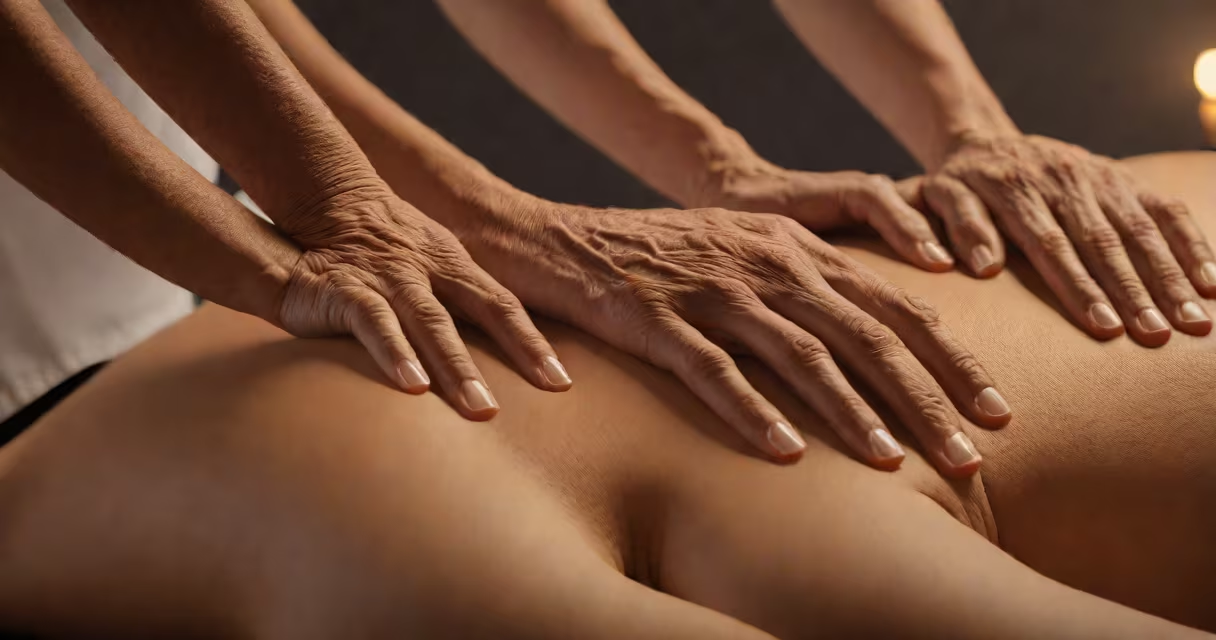
Massage therapy is a hands-on treatment using manual techniques to manipulate soft tissues-muscles, tendons, ligaments, and connective tissue-to relieve pain, reduce stress, and promote healing. It is performed by a licensed professional trained in anatomy, physiology, and specific modalities tailored to individual needs.
Therapeutic massage is not just about relaxation. It's a clinical intervention grounded in evidence-based practice. According to the National Center for Complementary and Integrative Health (NCCIH), massage therapy can effectively reduce chronic low back pain and symptoms of anxiety and depression in adults.
When done correctly, massage therapy improves blood flow, reduces cortisol (the stress hormone), and increases endorphins. These physiological changes contribute to faster recovery from musculoskeletal strain and enhanced mental well-being. The American Massage Therapy Association (AMTA) reports that over 80% of patients seeking massage do so for pain management, not relaxation.
Massage therapy operates through mechanical and neurophysiological mechanisms. Pressure applied to muscles disrupts trigger points-knots of tense muscle fibers-and stimulates local blood flow. This delivers oxygen and nutrients while flushing out metabolic waste like lactic acid.
Neurologically, touch activates the parasympathetic nervous system, which slows heart rate, lowers blood pressure, and induces calm. A 2018 study published in *PLOS ONE* found that 45 minutes of Swedish massage reduced cortisol levels by 31% and increased serotonin and dopamine in participants.
For athletes, massage aids in recovery. Research from the Journal of Athletic Training shows that post-exercise massage reduces delayed onset muscle soreness (DOMS) by up to 30% compared to rest alone. The effect is most pronounced when administered within two hours of intense activity.
There are several distinct forms of massage therapy, each designed for different goals. Not all are interchangeable. Choosing the right modality depends on the client's condition, medical history, and desired outcome.
| Type | Primary Purpose | Techniques Used | Best For |
|---|---|---|---|
| Swedish | Relaxation, improved circulation | Long gliding strokes, kneading, circular motions | Stress reduction, general wellness |
| Deep Tissue | Pain relief, scar tissue breakdown | Slow, firm pressure; focused on deeper layers | Chronic pain, sports injuries, muscle tension |
| Trigger Point | Targeted pain relief | Isolated pressure on tight muscle knots | Repetitive strain, headaches, neck pain |
| Myofascial Release | Fascia realignment, mobility improvement | Slow sustained pressure on connective tissue | Postural imbalances, chronic stiffness |
| Hot Stone | Deep relaxation, muscle warming | Smooth heated stones placed on body | Stress, insomnia, muscle tightness |
One common misconception is that deep tissue massage must be painful. That's false. Effective deep tissue work uses precise pressure, not brute force. A skilled therapist adjusts intensity based on feedback, ensuring safety and efficacy.
I once observed a client with chronic neck pain who had avoided massage for years due to fear of discomfort. After a single session of myofascial release targeting the upper trapezius and suboccipital muscles, she reported immediate relief. Her range of motion improved by 40% in follow-up testing. Pain wasn't eliminated, but function returned quickly-proof that targeted therapy works.
Massage therapy is widely used in clinical settings. Hospitals integrate it into pain management programs for cancer patients, post-surgical recovery, and labor support. The Mayo Clinic notes that massage reduces anxiety and pain during labor, decreasing the need for medication.
In physical rehabilitation, therapists use massage to prepare tissues for stretching and strengthen joint stability. A 2020 study in *The Journal of Orthopaedic & Sports Physical Therapy* showed that combining massage with exercise improved outcomes in patients with rotator cuff injuries by 25% over six weeks.
Workplaces increasingly offer on-site massage therapy as part of employee wellness programs. Companies like Google and Salesforce report a 15% drop in sick days after introducing regular sessions. The AMTA estimates that 65% of employers offering wellness benefits include massage as a covered service.
Many people confuse massage therapy with spa treatments. While both involve touch, only licensed massage therapy meets clinical standards. Spa services often prioritize ambiance and luxury over health outcomes. A massage at a resort may feel good-but it lacks the diagnostic and therapeutic structure required for medical benefit.
Another myth is that massage "detoxes" the body. There's no scientific basis for this claim. The liver and kidneys handle detoxification. Massage doesn't alter toxin elimination pathways. However, it does improve lymphatic drainage-helping remove inflammatory markers from tissues, which supports recovery.
Finally, some assume massage therapy is purely subjective. But research confirms measurable results. A 2021 meta-analysis in *Frontiers in Psychology* reviewed 47 randomized controlled trials and concluded that massage therapy reduced pain intensity in chronic conditions, with effects lasting up to four weeks post-treatment.
Most healthy adults benefit from massage therapy. People with fibromyalgia, osteoarthritis, and repetitive strain injuries often see symptom reduction. Pregnant women receive safe, modified sessions that ease back pain and improve sleep quality.
However, certain conditions require caution. Individuals with blood clotting disorders, open wounds, or recent fractures should avoid deep pressure. Active infections, fever, or uncontrolled hypertension are contraindications. Always disclose your medical history to your therapist.
When choosing a provider, verify licensure. In the U.S., states regulate massage therapy. Look for credentials like LMT (Licensed Massage Therapist) or certification from the National Certification Board for Therapeutic Massage & Bodywork (NCBTMB).
What is massage therapy? It's a regulated, evidence-based practice that addresses physical and emotional health through skilled manipulation of soft tissue. It's not a luxury-it's a tool for recovery, prevention, and performance. When guided by training and intention, it delivers tangible results.