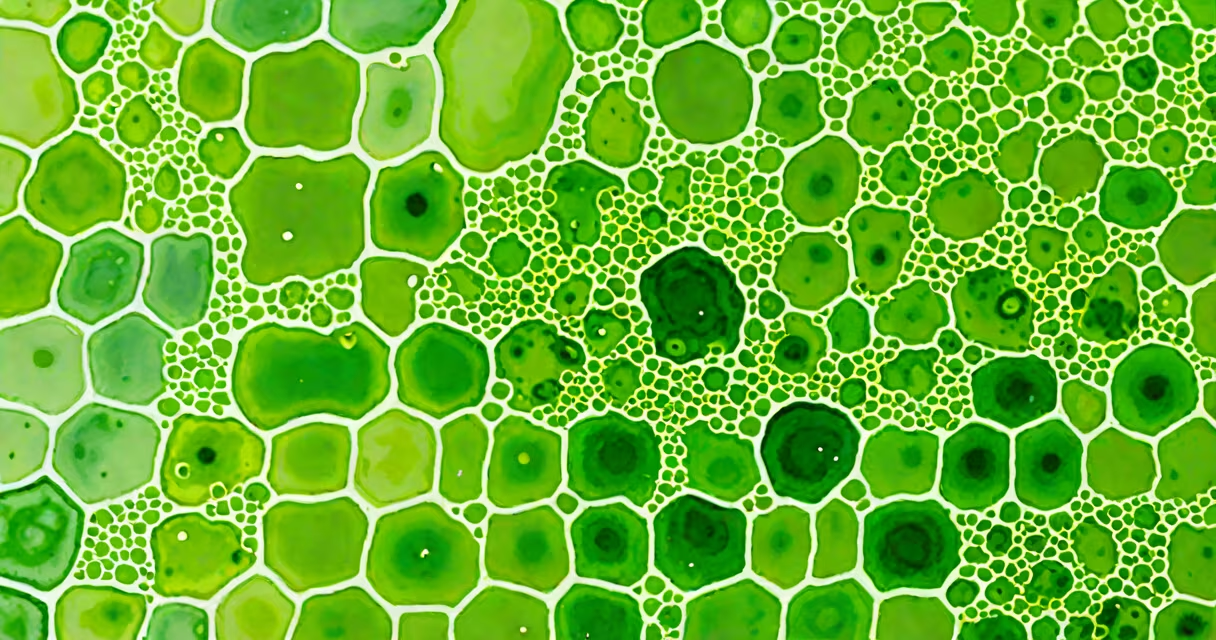
Mold is a type of microscopic fungus that grows in moist, organic environments, often appearing as fuzzy patches in colors like green, black, or white. It reproduces by releasing airborne spores and thrives in homes, buildings, and natural settings where humidity exceeds 60%. The meaning of mold extends beyond visual appearance-it signals hidden moisture problems and potential health risks.
Mold belongs to the kingdom Fungi and includes over 100,000 identified species. Unlike plants, molds lack chlorophyll and absorb nutrients from decaying organic matter. They grow on walls, ceilings, carpets, and even food. When conditions are warm and damp-typically above 70°F and relative humidity above 60%-spores germinate within 24 to 48 hours. This rapid growth explains why mold can appear in a matter of days after water intrusion.
Common indoor mold species include *Aspergillus*, *Penicillium*, and *Stachybotrys chartarum* (often called "black mold"). While not all molds are toxic, some produce mycotoxins-chemicals that can cause respiratory symptoms, skin irritation, and long-term immune system impacts. The Centers for Disease Control and Prevention (CDC) notes that exposure to mold can worsen asthma and trigger allergic reactions in sensitive individuals.
Mold begins life as a single spore floating in the air. When it lands on a surface with sufficient moisture and organic material-such as drywall, wood, or fabric-it absorbs nutrients through enzymes. Within 24 to 48 hours, visible colonies form. These colonies consist of thread-like structures called hyphae, which branch and spread rapidly.
Moisture is the key driver. A leaky roof, a cracked pipe, or high indoor humidity from showers or cooking can create ideal conditions. For example, a bathroom with poor ventilation may reach 80% humidity after a shower. After five hours, mold spores settle on tiles and begin colonizing. Within three days, a 1-inch patch becomes visible.
Spores travel through air ducts, open windows, and on clothing. One square inch of mold can release over 1 million spores daily. These particles remain airborne for hours and can penetrate deep into lungs. The Environmental Protection Agency (EPA) confirms that indoor mold levels are typically higher than outdoor levels due to enclosed spaces and consistent moisture sources.
Not all mold is equally dangerous. Some species pose minimal risk, while others are linked to serious health concerns. The table below outlines common indoor molds and their associated risks.
| Mold Type | Color | Common Locations | Risk Level |
|---|---|---|---|
| Aspergillus | Green, yellow, brown | Heating vents, basements, insulation | High - can cause allergic reactions and lung infections in immunocompromised people |
| Penicillium | Blue-green, gray | Walls, carpets, HVAC systems | Medium - produces allergens and some mycotoxins |
| Stachybotrys chartarum | Dark green-black | Water-damaged drywall, window sills | High - known to produce mycotoxins linked to chronic fatigue and neurological symptoms |
| Cladosporium | Black, olive green | Wood, fabrics, air conditioning units | Low-Medium - common allergen, rarely toxic |
One non-obvious fact: mold does not require sunlight to grow. Unlike plants, it thrives in darkness. This is why mold often appears behind refrigerators, under sinks, or inside walls-areas shielded from light but rich in moisture.
The meaning of mold is frequently misunderstood as simply a cosmetic issue. Many assume that small patches can be wiped away safely. But mold removal requires more than cleaning-it demands moisture control and structural repair. Simply scrubbing a visible spot with bleach won't stop regrowth if the underlying water source remains.
Another misconception is that mold only grows in old or poorly maintained buildings. In reality, new homes with sealed windows and efficient insulation trap moisture more easily. A 2022 study by the American Society of Heating, Refrigerating, and Air-Conditioning Engineers (ASHRAE) found that 37% of newly constructed homes had detectable mold within two years of occupancy due to inadequate ventilation during construction.
I once inspected a newly built home in Portland, Oregon, where the basement showed no signs of flooding. Yet mold was growing on the interior wall studs. Investigation revealed that the builder had installed vapor barriers incorrectly, trapping moisture between layers of drywall. The mold wasn't from a leak-it was from poor design. This case illustrates that mold is a symptom, not the root problem.
The meaning of mold goes beyond biology-it reflects environmental failure. When mold appears, it indicates a breakdown in moisture management. It's a warning sign of hidden leaks, poor airflow, or insufficient drying after water events. Ignoring it leads to structural damage and increased health risks.
For example, a family in Florida reported persistent coughing and headaches. Indoor air testing detected *Stachybotrys* at 12,000 spores per cubic meter-well above the EPA's recommended limit of 1,000. The source was a bathroom fan that hadn't been vented outdoors. Instead, it exhausted into the attic, creating constant dampness. Fixing the vent reduced mold levels by 90% within six weeks.
Understanding the meaning of mold means recognizing it as a biological indicator of environmental imbalance. It's not just about removing visible growth-it's about diagnosing and correcting the conditions that allow it to thrive. Addressing mold requires both remediation and systemic changes to ventilation, insulation, and maintenance routines.
When mold is present, act quickly. The CDC recommends stopping water entry, drying affected areas within 24-48 hours, and using HEPA filters to reduce airborne spores. For large infestations (>10 square feet), professional remediation is necessary. Always wear protective gear-mold spores can enter the bloodstream through mucous membranes.
Knowing the meaning of mold helps prevent long-term damage. It's not just about cleanliness-it's about safety, health, and building integrity. Recognizing mold early reduces medical costs, prevents property loss, and protects vulnerable populations like children and the elderly.