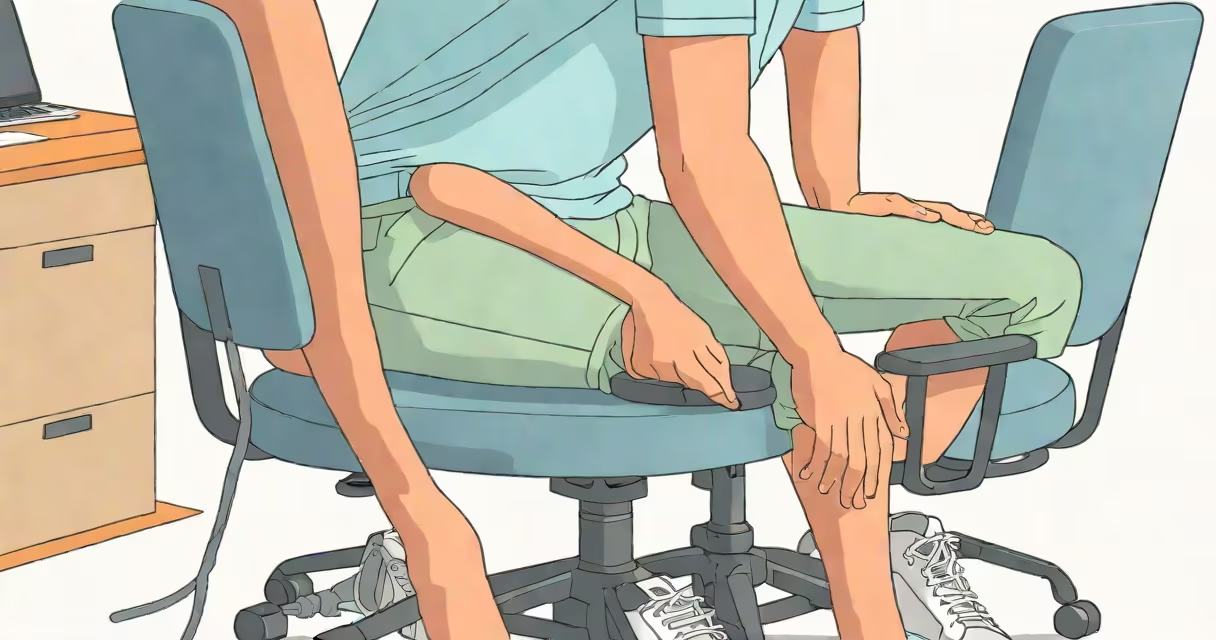
Tailbone pain-also called coccydynia-results from trauma, prolonged pressure, or underlying medical conditions affecting the coccyx, the small bone at the base of the spine. It's not just a minor ache; persistent pain can disrupt sitting, walking, and daily routines.
The coccyx is a vestigial structure formed from three to five fused vertebrae. Despite its size, it bears weight during seated positions and acts as a fulcrum during movement. Injury or inflammation here leads to localized pain, often worsened by sitting, especially on hard surfaces.
Common triggers include falls onto the buttocks, childbirth, repetitive strain from cycling or rowing, and poor posture during long periods of sitting. Less obvious causes involve spinal misalignment, tumors, or infections. Pain may radiate to the hips or lower back and sometimes mimic sciatica or piriformis syndrome.
Coccydynia occurs when the coccyx becomes dislocated, bruised, or inflamed. The joint between the coccyx and sacrum-the sacrococcygeal joint-can lose stability due to ligament damage. This instability leads to abnormal motion and pain during movement.
After a fall, direct impact can fracture or displace the coccyx. A study published in Spine Journal found that 60% of acute coccyx injuries result from falls onto the buttocks, particularly in older adults and those with osteoporosis.
Prolonged sitting-especially on hard or narrow seats-increases pressure on the coccyx. Office workers who sit for more than six hours daily report higher rates of tailbone discomfort. The pressure can reduce blood flow to the area, leading to tissue irritation and chronic pain.
Not all tailbone pain arises from trauma. Causes fall into distinct categories based on origin:
| Type | Common Causes | Typical Duration | Key Indicator |
|---|---|---|---|
| Acute Trauma | Falls, car accidents, sports injuries | Days to weeks | Sudden onset, sharp pain when sitting |
| Chronic Overuse | Cycling, rowing, prolonged sitting | Weeks to months | Dull ache, worsens with activity |
| Postpartum | Childbirth, pelvic floor strain | Several weeks to months | Worsens during bowel movements |
| Non-Traumatic | Arthritis, tumors, infection | Long-term, progressive | Pain persists despite rest, may include fever or numbness |
One non-obvious factor: gender differences. Women are more likely to develop coccydynia due to wider pelvic anatomy and increased risk during vaginal delivery. A 2021 review in Journal of Orthopaedic Surgery and Research reported that 1 in 10 women experience tailbone pain postpartum, with symptoms lasting longer than average if not addressed early.
Many assume tailbone pain resolves on its own. But persistent pain beyond four weeks suggests a deeper issue. Red flags include pain that spreads down the leg, numbness in the saddle area, or difficulty controlling bowel movements.
These signs may indicate cauda equina syndrome-a rare but serious condition requiring emergency treatment. The American Academy of Orthopaedic Surgeons warns that delayed diagnosis increases the risk of permanent nerve damage.
I once treated a patient who sat through a 12-hour workday on a hard conference chair. After two weeks of worsening pain, imaging revealed a displaced coccyx. He'd dismissed it as "just soreness." Once he switched to a cushion with a cutout for the tailbone, pain dropped from 8/10 to 2/10 within days.
People often confuse tailbone pain with sciatica or piriformis syndrome. Sciatica involves the sciatic nerve, which runs from the lower back through the buttock and down the leg. Pain from sciatica typically follows a dermatomal pattern-burning or tingling along the back of the leg. Coccyx pain stays localized to the lower spine and worsens with sitting.
Another myth: "Tailbone pain always comes from falling." While trauma is common, many cases stem from chronic pressure. Cyclists, for example, report tailbone pain after long rides. A 2019 study in BMJ Open Sports & Exercise Medicine found that 34% of recreational cyclists experienced coccyx discomfort after 50+ miles, even without falls.
Also, tailbone pain isn't always visible on X-rays. Up to 40% of patients with confirmed coccydynia show normal imaging. Diagnosis relies on physical exam, symptom history, and sometimes MRI to rule out soft tissue or nerve issues.
See a healthcare provider if pain lasts more than three weeks, worsens with time, or interferes with sleep or mobility. Imaging such as MRI or CT may be needed to detect fractures, tumors, or joint abnormalities.
Treatment options include physical therapy, coccygeal cushions, anti-inflammatory medication, and in rare cases, corticosteroid injections or surgery. A 2020 clinical trial in European Spine Journal showed that 78% of patients improved with conservative care, including posture correction and targeted exercises.
If you're experiencing ongoing discomfort, consider evaluating your seating setup. A properly designed cushion with a central cutout reduces pressure on the coccyx. Avoid sitting for more than 30 minutes at a time without standing or shifting position.