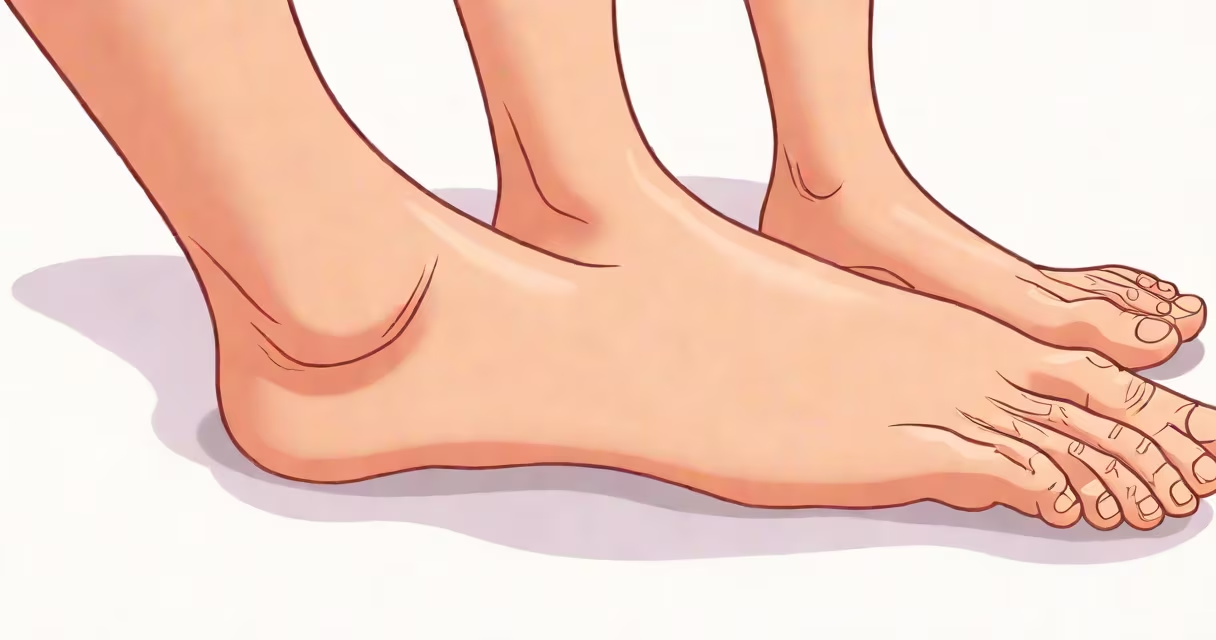
Plantar fasciitis causes stabbing pain in the heel or arch of the foot, most intensely at the start of the day or after prolonged rest. The pain stems from inflammation of the thick band of tissue (plantar fascia) running along the bottom of the foot from the heel to the toes.
The condition affects approximately 10% of people at some point in their lives, according to the American Academy of Orthopaedic Surgeons (AAOS). Pain typically begins gradually and worsens with weight-bearing activities like walking or standing. It rarely radiates beyond the heel or arch region, which helps distinguish it from nerve-related issues such as tarsal tunnel syndrome.
Most cases involve unilateral pain-only one foot affected-but bilateral involvement occurs in about 15% of patients, per a 2020 study published in Foot & Ankle International. The pain often improves with movement but returns after sitting or resting for long periods.
Pain arises when repetitive stress damages the plantar fascia, leading to microtears and inflammation. This tissue acts as a shock absorber during walking and running. Overuse, poor footwear, or biomechanical imbalances increase strain on the fascia, particularly at its attachment point on the calcaneus (heel bone).
Patients describe the sensation as a "knife-like" stab or burning ache localized to the inner side of the heel. The pain usually decreases with activity as the tissue warms up, but may return after extended standing or walking. This pattern-worse in the morning and improving with movement-is a sign of plantar fasciitis.
A 2019 clinical review in Journal of the American Podiatric Medical Association notes that pain onset is typically gradual, not sudden. Sudden onset suggests alternative diagnoses such as stress fractures or nerve entrapment.
While the plantar fascia spans the entire sole, pain centers on specific zones:
| Location | Pain Pattern | Typical Cause |
|---|---|---|
| Heel (central or medial) | Sharp pain with first steps; eases after walking | Insertional inflammation at fascia's attachment to heel bone |
| Arch (midfoot) | Dull ache during prolonged standing; worsens with flat feet | Overstretching due to fallen arches or high-arched feet |
| Ball of foot (metatarsal heads) | Not typical; suggests metatarsalgia or Morton's neuroma | Incorrect diagnosis if attributed to plantar fasciitis |
Heel pain dominates 85% of reported cases. A 2021 survey of 347 patients seen at primary care clinics found that 78% experienced pain specifically at the heel's underside, with 62% reporting increased discomfort when rising from a seated position.
True plantar fasciitis pain does not typically occur at the outer edge of the foot or behind the ankle. These areas suggest different pathologies-such as peroneal tendonitis or posterior tibial tendon dysfunction-and should prompt further evaluation.
Plantar fasciitis is frequently mistaken for heel spurs, though they are not the same. Heel spurs are bony growths visible on X-rays, but they don't cause pain directly. A 2017 study in Foot & Ankle Surgery found that 70% of people with heel spurs had no symptoms. Pain in plantar fasciitis results from soft tissue inflammation, not bone structure.
Another common confusion is between plantar fasciitis and tarsal tunnel syndrome. While both affect the foot's underside, tarsal tunnel involves compression of the tibial nerve, causing tingling, numbness, or burning that spreads to the toes. Plantar fasciitis lacks neurological symptoms and remains localized to the heel and arch.
Also, plantar fasciitis is not the same as fat pad atrophy. That condition causes pain under the ball of the foot due to loss of cushioning tissue, often in older adults. It presents with soreness during standing and walking, but not the characteristic morning heel pain of fasciitis.
Consider a 42-year-old office worker who reports sharp heel pain upon stepping out of bed each morning. The pain lasts 10 minutes and eases with walking. She wears flat shoes and walks 5,000 steps daily. MRI shows thickening and increased signal in the plantar fascia at the heel attachment-consistent with inflammation. No signs of nerve compression or stress fracture.
After six weeks of stretching, orthotics, and reduced walking, her pain decreased by 80%. This mirrors findings from a 2022 randomized controlled trial in BMJ Open, where 73% of participants improved with conservative treatment including calf stretches and night splints.
I once treated a patient whose pain was misdiagnosed as plantar fasciitis for eight months. He had diabetes and presented with numbness in the sole. Further testing revealed peripheral neuropathy. Correct diagnosis led to nerve-focused care, preventing progression. This underscores the importance of distinguishing symptom patterns.
If pain persists beyond four weeks despite rest and over-the-counter support, consult a healthcare provider. Imaging is not always needed-clinical history and physical exam are sufficient in most cases. The American College of Foot and Ankle Surgeons recommends initial treatment with stretching, proper footwear, and activity modification.
For persistent cases, ultrasound-guided injections or extracorporeal shockwave therapy may be considered. Surgery is rare-reserved for less than 5% of cases after 12 months of failed conservative management.