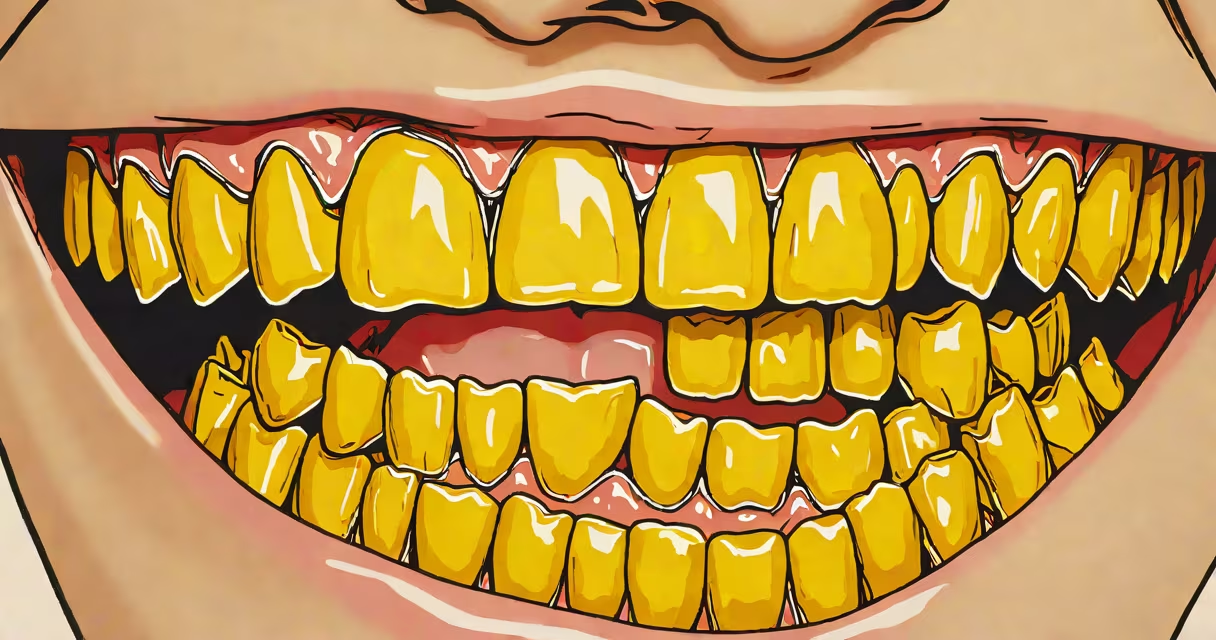
Tooth discoloration occurs when the outer layer of your teeth, called enamel, becomes stained or wears down, revealing the yellowish dentin beneath. This process results from internal changes, surface stains, or both.
Enamel is the hardest substance in the human body, yet it's porous and can absorb pigments from food, drinks, and tobacco. Over time, these substances seep into microscopic pores, causing visible yellowing. Dentin-the layer under enamel-is naturally yellow and becomes more apparent as enamel thins with age or due to acid exposure.
According to the American Dental Association (ADA), about 70% of adults report noticeable tooth discoloration by age 40. The condition isn't just cosmetic-it can signal underlying issues like enamel erosion, gum disease, or systemic health conditions. Early recognition improves treatment outcomes.
Teeth turn yellow through two primary mechanisms: extrinsic and intrinsic staining. Extrinsic stains occur on the surface and result from external factors like diet, smoking, or poor hygiene. Intrinsic stains form within the tooth structure and are often linked to genetics, medications, or trauma.
Extrinsic staining happens when chromogens-pigmented molecules in foods and beverages-bind to tooth surfaces. Coffee, red wine, tea, berries, and soy sauce contain high levels of these compounds. A single cup of coffee can deposit 20-30 micrograms of stain-causing pigment on enamel, according to a 2021 study published in the Journal of Clinical Dentistry.
Intrinsic discoloration begins during tooth development. Tetracycline antibiotics taken during childhood or pregnancy can permanently darken teeth. Fluorosis, caused by excessive fluoride intake during enamel formation, leads to mottled or yellowed enamel. These changes are irreversible without professional intervention.
Most cases of yellow teeth stem from lifestyle habits rather than pathology. Daily consumption of staining agents like coffee (average 1.5 cups/day), red wine (3-4 glasses/week), or dark sodas contributes to surface buildup. Tobacco use accelerates staining-smokers develop 3x more surface stains than non-smokers, per the National Institute of Dental and Craniofacial Research (NIDCR).
A 32-year-old office worker reported her teeth yellowing after switching to a daily green tea habit. Though healthier than coffee, green tea contains tannins that bind to enamel proteins. After six months, she noticed visible yellowing despite brushing twice daily. A dental cleaning removed 60% of the stain, and reducing intake stabilized further discoloration.
Another case involved a 25-year-old who developed sudden yellowing after starting a proton-pump inhibitor (PPI) for chronic acid reflux. PPIs reduce stomach acid, but long-term use alters oral pH. The resulting dry mouth increased bacterial load and plaque formation. Within four months, his teeth showed early signs of demineralization and yellowing. Discontinuing the medication under medical supervision reversed the trend.
| Type | Origin | Common Triggers | Reversibility |
|---|---|---|---|
| Extrinsic | Surface | Coffee, wine, smoking, poor brushing | Often reversible with cleaning and habits |
| Intrinsic | Inside tooth | Tetracycline, fluorosis, trauma, aging | Requires professional treatment |
| Combined | Both layers | Long-term smoking, acid erosion, medications | Varies; often needs multiple approaches |
Yellowing is often confused with other discolorations. Brown or gray spots may indicate early decay or calculus (tartar) buildup. Blue-gray tones can suggest amalgam fillings near the gumline. Black lines along the gum edge may signal gingival recession exposing root surfaces, which are darker than enamel.
One common error is assuming all yellow teeth require whitening. A patient with receding gums saw her front teeth appear yellow after a routine cleaning. She assumed it was staining. Upon examination, her dentist confirmed exposed roots-naturally darker than enamel-and recommended desensitizing treatment instead of bleaching. Whitening would have worsened sensitivity and risked enamel damage.
Another misconception is that brushing harder removes stains faster. Aggressive brushing damages enamel and exposes dentin. The ADA warns that using a hard-bristled brush with abrasive toothpaste increases wear by up to 40% compared to soft brushes. Once enamel thins, yellowing accelerates.
Yellow teeth are normal with age, but rapid or uneven discoloration warrants evaluation. Sudden changes over weeks, especially with pain, bleeding, or bad breath, may indicate cavities, gum disease, or systemic issues like liver dysfunction or hemolytic anemia.
I once observed a patient whose teeth turned yellow overnight after a viral illness. Blood tests revealed elevated bilirubin levels-indicating liver strain. After addressing the underlying cause, tooth color returned to baseline over three months. This case highlights that tooth color can reflect internal health.
If home remedies fail after two weeks of consistent care-brushing twice daily with fluoride toothpaste, flossing, limiting acidic and sugary foods-consult a dentist. They can differentiate between surface stains, enamel erosion, and deeper structural issues.
For extrinsic stains, professional cleanings remove 80-90% of surface buildup. At-home whitening strips, when used correctly, can lighten teeth by 2-3 shades. But they don't address enamel thinning or root exposure.
For intrinsic discoloration, options include bonding, veneers, or internal bleaching. A 2020 clinical trial in the Journal of Esthetic and Restorative Dentistry found that porcelain veneers improved patient satisfaction scores by 78% in cases of severe intrinsic staining.
Prevention starts with habits: drink through a straw to limit contact with teeth, rinse with water after consuming staining liquids, and avoid acidic drinks like citrus sodas. Brushing after meals reduces plaque and prevents acid erosion. The ADA recommends brushing for two minutes, twice daily, using a soft-bristled brush.
One patient reduced yellowing by 50% in eight weeks by combining daily rinsing with water after coffee, using a whitening toothpaste with stannous fluoride, and scheduling biannual cleanings. He avoided over-the-counter whitening gels, which had previously caused sensitivity.
Understanding why your teeth are turning yellow helps you choose the right solution. Surface stains respond to hygiene and cleaning. Internal changes require diagnosis and tailored care. Ignoring persistent discoloration risks missing treatable conditions.