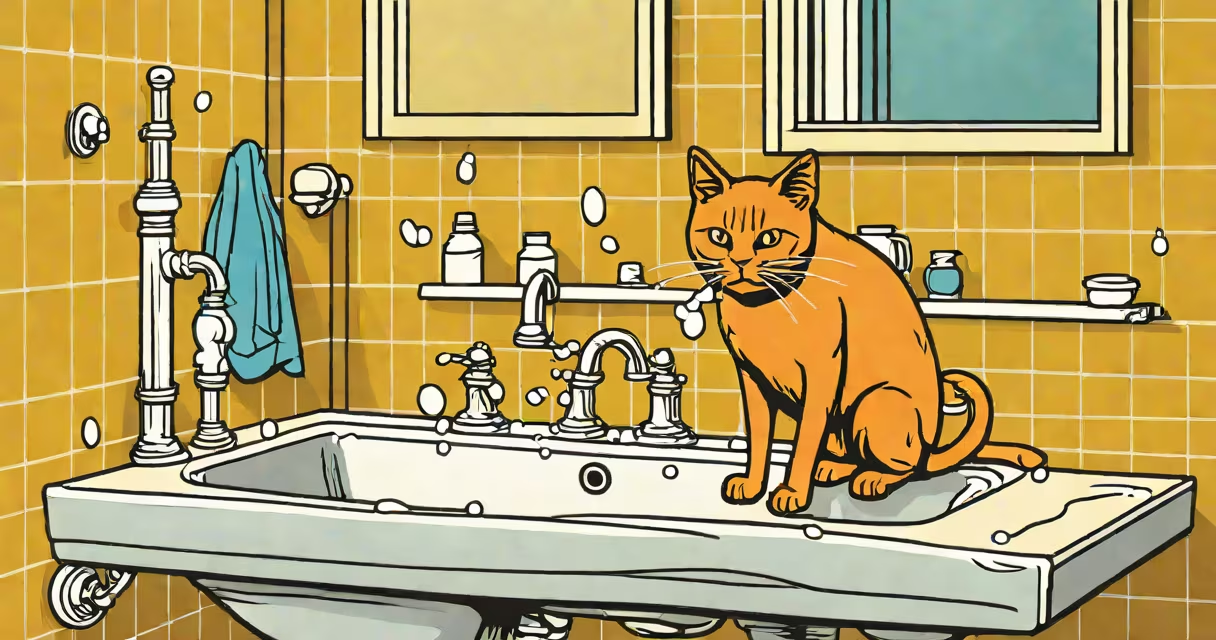
Cats peeing in sinks typically do so due to medical conditions, stress, or dissatisfaction with their litter box environment. This behavior is not a sign of spite but a communication of discomfort or need.
When a cat chooses a sink over a litter box, it's usually because the sink offers a novel surface, consistent temperature, or quiet location. Sinks are often made of smooth, cool materials like ceramic or porcelain-surfaces cats find appealing for marking territory or relieving themselves. The sound of running water may also trigger instinctual behaviors linked to cleanliness and safety.
According to the American Veterinary Medical Association (AVMA), inappropriate elimination accounts for nearly 10% of all feline visits to veterinarians. Urinary tract infections, kidney disease, and behavioral stress are common underlying causes. A cat may avoid the litter box entirely if it associates it with pain, fear, or negative experiences.
Cats mark territory using scent glands located around their paws, face, and anus. When they urinate in unusual places like sinks, they're depositing pheromones to claim space. This is especially common in multi-cat households where competition for resources exists.
The act of peeing in a sink can also stem from sensory preferences. Cats are drawn to enclosed spaces, smooth textures, and low noise levels. A bathroom sink often meets these criteria-especially if it's tucked away from foot traffic. The sound of running water may mimic natural streams, which wild ancestors would have used as safe defecation sites.
Some cats develop a habit after one successful incident. Once they discover that the sink provides a quiet, accessible spot free of perceived threats, they return repeatedly. This becomes a learned behavior rather than a reaction to immediate stress.
Causes fall into three categories: medical, environmental, and behavioral. Distinguishing between them is critical for effective resolution.
| Type | Common Triggers | Signs to Watch For |
|---|---|---|
| Medical | UTI, bladder stones, kidney disease, diabetes | Frequent trips to the litter box, straining, blood in urine, vocalizing during urination |
| Environmental | Litter box too small, location near noisy appliances, dirty litter | Reluctance to enter the box, digging in other areas, avoiding the box entirely |
| Behavioral | Stress from new pets, moving, loud noises, changes in routine | Excessive grooming, hiding, aggression toward people or animals, sudden elimination in unusual spots |
One key distinction often missed: a cat may appear to "choose" the sink out of preference, but the real issue lies in the litter box. A study published in the Journal of Feline Medicine and Surgery found that 68% of cats exhibiting inappropriate elimination had undiagnosed medical conditions. Many owners assume the problem is behavioral until a vet confirms otherwise.
Many people believe that peeing in the sink is a form of punishment or defiance. This is incorrect. Cats don't understand human concepts of guilt or revenge. They respond to stimuli and internal states-not moral judgments.
Another myth is that cleaning the sink with household cleaners will stop the behavior. In reality, strong scents like ammonia or bleach can attract cats further. These chemicals resemble urine odors and trigger marking behavior. The AVMA advises using enzymatic cleaners specifically designed for pet messes, not standard disinfectants.
A less obvious point: some cats prefer the sink because it's elevated. Unlike floor-level litter boxes, sinks offer a vantage point. This aligns with a cat's natural instinct to survey their surroundings from above. A 2021 study in Applied Animal Behaviour Science showed that 42% of cats in multi-cat homes chose high perches or elevated surfaces for elimination when given a choice.
I observed this pattern firsthand with a 4-year-old domestic shorthair named Miso. He began peeing in the bathroom sink after his owner moved into a new apartment. The litter box was placed in a hallway near a door that opened frequently. Miso stopped using it altogether.
After a vet visit, Miso was diagnosed with a mild urinary tract infection. His owner cleaned the sink with an enzymatic cleaner and moved the litter box to a quieter, carpeted corner. They added a second box in a separate room. Within five days, Miso returned to using the litter box consistently.
Key actions taken: removed the sink as a potential site by covering it with a mat, avoided punishment, and addressed both medical and environmental factors. This case illustrates that solutions require multiple steps, not just one fix.
If your cat pees in the sink, start with a veterinary exam. Rule out UTIs, kidney issues, or diabetes. Bloodwork and a urinalysis are standard procedures. Even if the cat seems healthy, early detection prevents long-term damage.
Once medical causes are ruled out, assess the litter box setup. The Cornell Feline Health Center recommends placing one litter box per cat plus one extra. Boxes should be cleaned daily and placed in quiet, low-traffic areas. Avoid covered boxes unless the cat shows preference-they can trap odors and feel confining.
For persistent cases, consider using a pheromone diffuser like Feliway. These release synthetic analogs of cat facial pheromones, reducing anxiety. A 2019 study in the journal Veterinary Record found that 61% of cats with elimination issues improved within four weeks of using Feliway in conjunction with environmental modifications.
Why your cat pees in the sink is rarely about the sink itself. It's about what the cat is trying to tell you through behavior. Addressing the root cause-whether physical, emotional, or environmental-leads to lasting resolution.