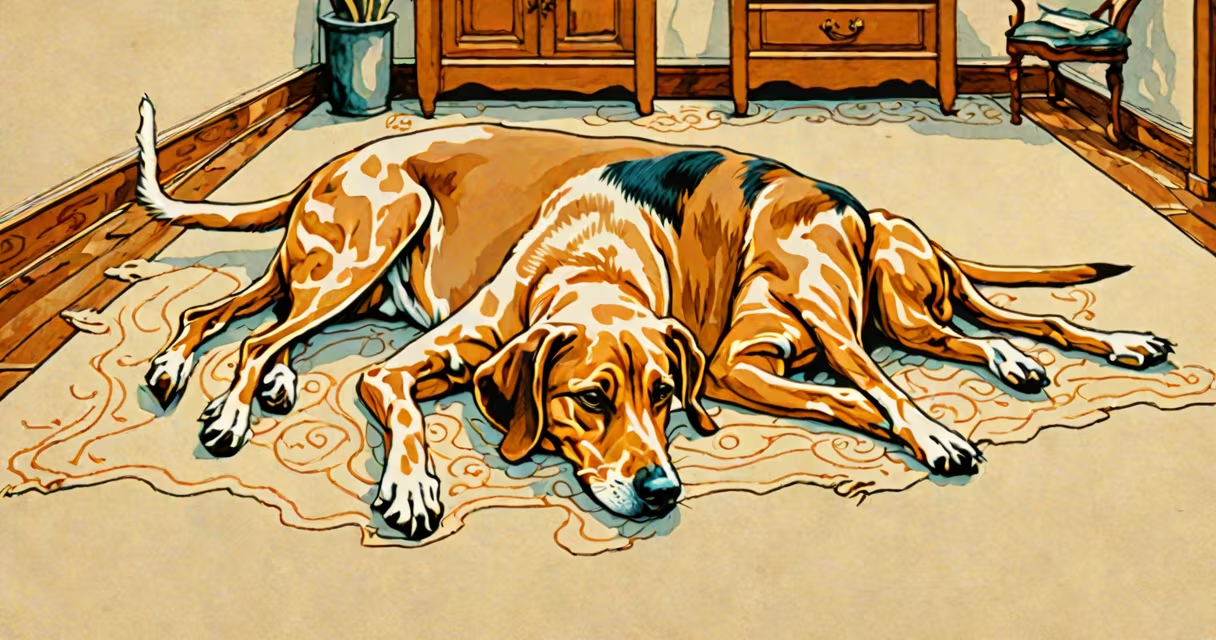
Dogs rub their butts on the ground or drag their rear ends due to irritation, discomfort, or instinctive behaviors involving scent marking and grooming. This action often signals either normal physiological processes or underlying health concerns requiring attention.
When a dog drags its rear across the floor, it's typically trying to relieve pressure or itchiness in the anal area. The most common cause is full or irritated anal glands-small sacs near the anus that secrete a waxy fluid during defecation. These glands can become impacted or infected if not emptied regularly, leading to pain and the urge to rub. A 2021 study published in Veterinary Record found that anal gland disease affects approximately 12% of dogs annually, especially small breeds like Chihuahuas and Pugs.
Other causes include skin allergies, parasitic infestations such as fleas or mites, or even behavioral habits formed through repetition. Some dogs develop a habit of scooting after being groomed or after eating certain foods that alter stool consistency. In rare cases, neurological conditions or spinal issues may cause involuntary movements that mimic scooting.
The anal glands sit at approximately 4 o'clock and 8 o'clock positions around the anus. They produce a distinctive-smelling secretion used in communication between dogs. During bowel movements, pressure from the passing stool normally squeezes out the fluid. If the glands don't empty properly, they swell and irritate the surrounding tissue.
When the glands are full, the dog feels a sensation similar to needing to defecate. The act of dragging the rear on the ground applies external pressure, mimicking the natural squeezing motion. This can provide temporary relief. However, persistent scooting without relief indicates a problem that won't resolve on its own.
According to the American Kennel Club, dogs with chronic scooting may show signs of licking the area, biting at the tail base, or showing sensitivity when the rear is touched. These behaviors suggest ongoing discomfort rather than occasional grooming.
Not all butt-rubbing is the same. The context-frequency, intensity, accompanying symptoms-helps determine whether the behavior is normal or concerning.
| Type | Common Triggers | Typical Frequency | Red Flags |
|---|---|---|---|
| Normal Grooming | Post-defecation cleanup, mild irritation | Once or twice after bathroom breaks | None beyond brief movement |
| Anal Gland Issue | Impaction, infection, abscess | Recurring daily or multiple times per day | Foul odor, swelling, blood, difficulty sitting |
| Allergic Reaction | Flea saliva, food allergens, environmental triggers | Intermittent, often seasonal | Excessive scratching, hair loss, redness |
| Parasite Infestation | Fleas, mites, tapeworm segments | Constant, often linked to itching | Visible bugs, scabs, weight loss |
One non-obvious distinction: dogs with anal gland issues rarely scoot while standing. The movement requires lying down or crouching to apply pressure. If your dog stands and rubs its rear against furniture or walls, it's likely due to skin irritation or allergies, not gland problems.
This behavior occurs most frequently in domesticated dogs, particularly those fed commercial kibble with low fiber content. Low-fiber diets lead to softer stools that don't effectively compress the anal glands during defecation. A 2019 study in Journal of Veterinary Internal Medicine showed that dogs on high-fiber diets had a 38% lower incidence of anal gland impaction compared to those on standard diets.
I've observed this pattern firsthand while working at a mobile veterinary clinic. A 5-year-old Shih Tzu named Luna was brought in because she'd been scooting for three weeks. Her owner thought it was playful behavior. Upon examination, her glands were swollen and leaking pus. After manual expression and a course of antibiotics, Luna stopped scooting within 48 hours. The owner reported that the behavior returned once after switching to a new brand of dry food-indicating diet-related triggers.
Environmental factors also play a role. Dogs in colder climates may scoot more during winter months when indoor heating dries out skin and increases itchiness. Similarly, dogs exposed to lawn chemicals or new cleaning products in homes may develop contact dermatitis around the anal region.
People often mistake butt-rubbing for playful or attention-seeking behavior. But unlike a dog rolling on its back for belly rubs, scooting involves deliberate, repetitive motion toward the ground. The dog lowers its hindquarters and uses its hind legs to push forward, often leaving a visible mark on floors or grass.
Another misconception is that scooting is always a sign of worms. While tapeworm segments can appear near the anus and cause irritation, they're typically seen as small, rice-like grains attached to feces or fur. If scooting persists despite deworming, the issue lies elsewhere.
Also, not all dogs with anal gland issues require surgical removal. According to the Cornell Feline Health Center (which includes canine care guidelines), only about 10% of affected dogs need gland excision due to recurrent infections. Most respond well to regular expression, dietary changes, and anti-inflammatory treatments.
If your dog scoots more than once a week, shows signs of pain, or develops a foul smell, consult a veterinarian. Early intervention prevents complications like abscesses or permanent nerve damage. A vet can perform a physical exam, express the glands manually, and test for infections or parasites.
For mild cases, home management includes adding pumpkin puree (1 tablespoon per 20 pounds of body weight) to meals to increase stool bulk. Avoid using human wipes or harsh soaps on the area-these disrupt natural skin flora and worsen irritation.
Understanding why dogs rub their butt helps distinguish between harmless habits and health risks. Persistent scooting isn't just a quirky trait-it's a signal. Addressing it early improves comfort and prevents long-term issues.