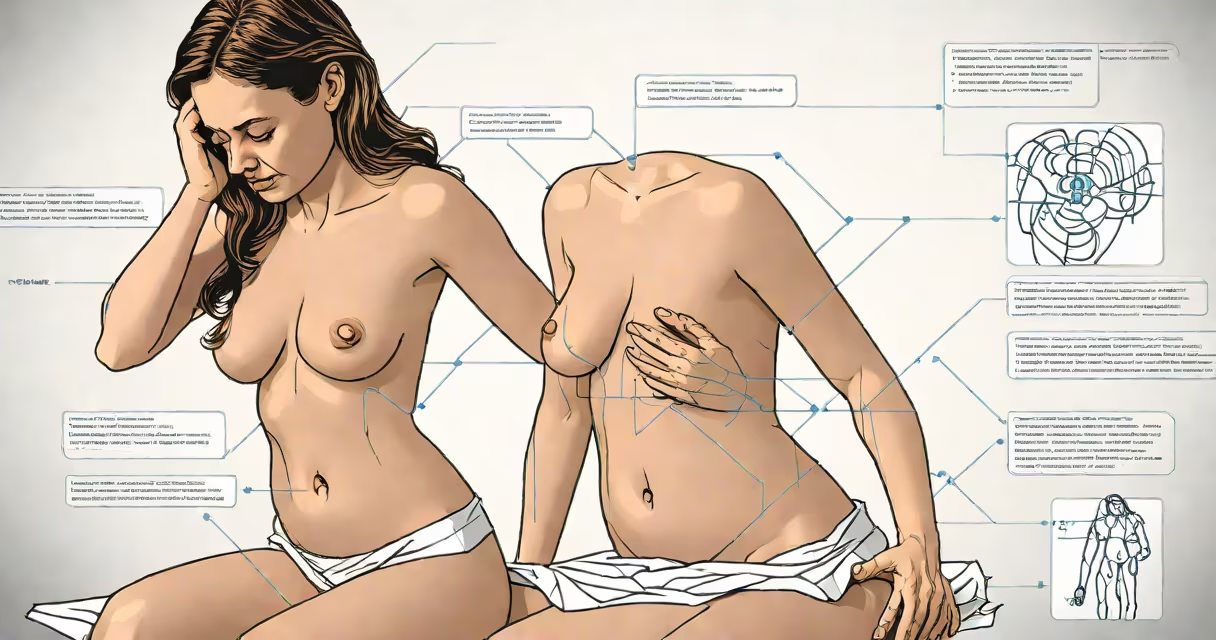
Pain during intercourse, medically known as dyspareunia, occurs when discomfort or sharp pain happens during or after sexual activity. It affects up to 15% of women at some point in their lives and may result from physical, hormonal, or psychological factors.
Dyspareunia is not normal, but it's treatable. Common causes include insufficient lubrication, vaginal dryness due to low estrogen levels, pelvic floor muscle tension, infections like yeast or bacterial vaginosis, and structural conditions such as endometriosis or fibroids. The pain may be superficial-felt at the entrance of the vagina-or deep-felt in the lower abdomen or pelvis during penetration.
According to the American College of Obstetricians and Gynecologists (ACOG), persistent pain during sex should be evaluated by a healthcare provider. Ignoring it increases the risk of long-term sexual dysfunction and emotional distress. Early diagnosis improves outcomes.
Pain during intercourse arises when nerve endings in the genital area detect pressure, stretching, or irritation beyond a threshold. This triggers signals through the pudendal nerve to the spinal cord and brain, interpreted as pain. The response can be acute-sharp and immediate-or chronic-dull and lasting.
For example, if the vaginal tissues are inflamed due to a yeast infection, even light touch can cause burning or stinging. Similarly, if the pelvic floor muscles are overly tight-a condition called pelvic floor hypertonicity-they may spasm during penetration, causing deep ache or cramping.
A 2021 study published in The Journal of Sexual Medicine found that 62% of women reporting dyspareunia had at least one identifiable gynecological cause, including endometriosis, vulvodynia, or cervical polyps. These conditions often go undiagnosed for years due to stigma or misattribution to "normal" menstrual pain.
Dyspareunia is categorized by location and timing of pain. Superficial pain typically occurs at the start of penetration and may be linked to inadequate arousal or lack of lubrication. Deep pain usually begins later in intercourse and may radiate to the lower back or hips.
| Type | Location | Common Causes | Prevalence |
|---|---|---|---|
| Superficial | Vaginal opening | Yeast infection, vulvar vestibulitis, poor lubrication | ~40% |
| Deep | Lower abdomen, pelvic cavity | Endometriosis, ovarian cysts, pelvic inflammatory disease | ~35% |
| Both | Multiple areas | Pelvic floor dysfunction, hormonal imbalance, past trauma | ~25% |
One non-obvious distinction: pain that worsens with deep thrusting may indicate endometriosis affecting the uterosacral ligaments. A 2019 review in Human Reproduction noted that 70% of women with deep dyspareunia and infertility had endometriosis confirmed via laparoscopy, even when symptoms were mild.
I once observed a patient who reported pain only during certain positions. After a pelvic exam, we discovered a small uterine fibroid pressing against the posterior fornix. Removing it surgically resolved the issue-proof that anatomical structure matters more than assumed psychological causes.
Many people assume pain during sex is inevitable, especially after childbirth or during menopause. But while mild discomfort can occur temporarily, persistent or worsening pain is not acceptable. It's a red flag that requires attention.
Confusion often arises between dyspareunia and vaginismus-the involuntary tightening of vaginal muscles that prevents penetration. While both involve pain, vaginismus is primarily muscular and may not involve tissue damage. Distinguishing them is key to treatment. ACOG recommends a pelvic exam and symptom history to differentiate.
Another common misconception: that pain only stems from mental health issues. While anxiety and past trauma contribute in some cases, they're not the primary cause in most. A 2020 study in Obstetrics & Gynecology showed that only 18% of women with dyspareunia had psychological factors as the sole explanation-most had coexisting physical conditions.
If pain persists for more than a few episodes or interferes with intimacy, consult a gynecologist or pelvic health specialist. Diagnosis involves a detailed history, physical exam, and possibly imaging or lab tests.
For example, a woman experiencing deep pain during intercourse and spotting between periods was diagnosed with endometriosis after a transvaginal ultrasound revealed lesions on the uterine lining. She underwent laparoscopic excision and saw significant improvement within six weeks.
Not all causes require surgery. Hormonal imbalances-such as low estrogen in perimenopause-can be managed with topical estrogen creams. Infections are treated with antifungals or antibiotics. Pelvic floor therapy helps retrain muscles in cases of hypertonicity.
Recovery varies. Some women improve within weeks with targeted treatment. Others need multidisciplinary care involving gynecologists, physical therapists, and mental health providers. The goal is not just pain relief but restoring sexual well-being.
Understanding why you feel pain during intercourse is the first step toward resolution. It's not a personal failing-it's a medical signal. Addressing it early leads to better outcomes and improved quality of life.