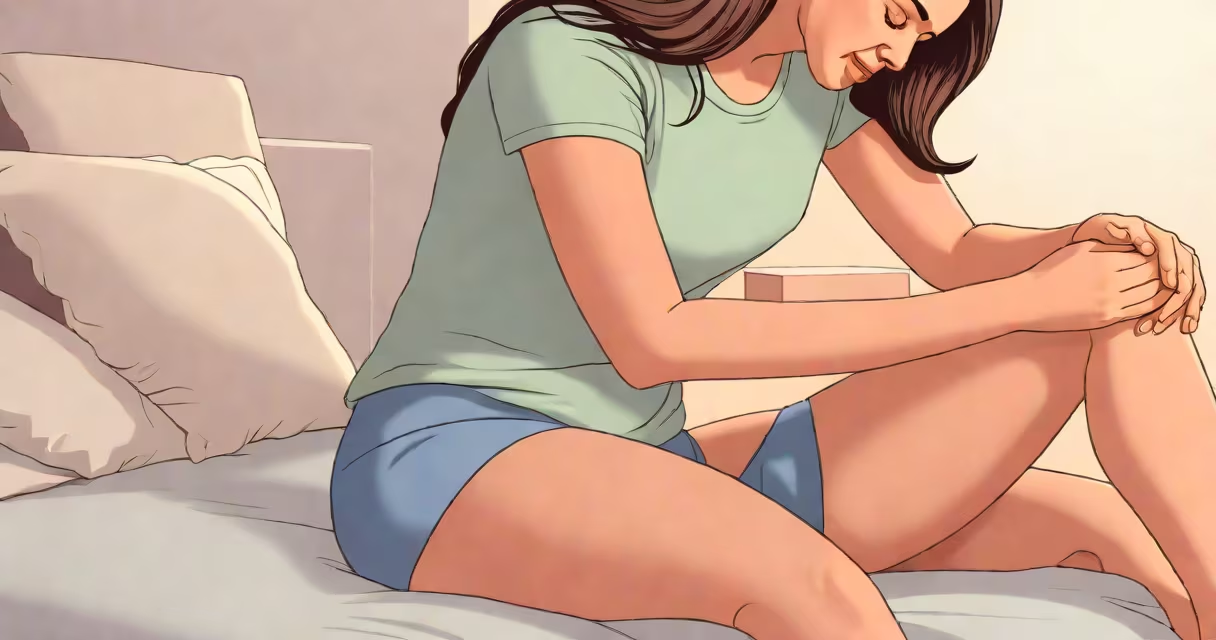
Period cramps result from intense uterine contractions caused by high levels of prostaglandins, hormone-like substances that trigger muscle contractions to expel the uterine lining. These contractions can temporarily cut off blood flow to the uterus, causing pain that ranges from mild to severe.
Prostaglandins are produced in the endometrium-the inner lining of the uterus-during menstruation. When levels spike, they cause the uterine muscles to contract forcefully. These contractions compress small blood vessels, reducing oxygen supply to the tissue and triggering pain signals through nerve pathways. The sensation often feels like sharp, throbbing, or cramping pain in the lower abdomen, sometimes radiating to the lower back or thighs.
A 2021 study published in The Journal of Pain Research found that women with dysmenorrhea (painful periods) had higher prostaglandin E2 levels in their menstrual fluid compared to those without pain. This confirms that elevated prostaglandin activity is a primary biological driver of menstrual cramping.
Prostaglandins are lipid compounds derived from fatty acids. They act locally in tissues rather than circulating widely in the bloodstream. During menstruation, the breakdown of the uterine lining releases arachidonic acid, which enzymes convert into prostaglandins such as PGE2 and PGF2α. These molecules bind to receptors on smooth muscle cells in the uterus, stimulating contraction.
When contractions are too strong or prolonged, they restrict blood flow to the uterine wall. This ischemia-lack of oxygen-activates nociceptors (pain-sensing nerves), leading to the characteristic cramping sensation. Some women report additional symptoms like nausea, diarrhea, dizziness, or fatigue due to prostaglandins affecting nearby organs and systems.
For example, a woman with high prostaglandin levels may experience loose stools during her period. This happens because prostaglandins can stimulate intestinal motility, similar to how nonsteroidal anti-inflammatory drugs (NSAIDs) work to reduce inflammation and pain.
Cramping varies in intensity and timing. Doctors categorize menstrual pain into two types:
| Type | Description | Common Triggers |
|---|---|---|
| Primary dysmenorrhea | Pain that begins shortly after menarche (first period), typically lasting 1-3 days. No underlying pelvic pathology. | High prostaglandin levels, genetic predisposition |
| Secondary dysmenorrhea | Pain that develops later in life, often worsening over time. Associated with conditions like endometriosis or fibroids. | Endometriosis, adenomyosis, pelvic inflammatory disease |
Primary dysmenorrhea affects about 50% of menstruating individuals, according to the American College of Obstetricians and Gynecologists (ACOG). Secondary dysmenorrhea occurs in approximately 10-15% of cases and requires further evaluation to rule out structural causes.
Many assume that cramping is simply "normal" and must be endured. However, severe pain that interferes with daily activities is not typical and warrants medical attention. ACOG states that pain so intense it limits school, work, or social participation is not acceptable and should prompt a visit to a healthcare provider.
Another misconception is that birth control pills eliminate cramps entirely. While hormonal contraceptives reduce prostaglandin production and often lessen cramping, they don't remove it for everyone. A 2020 review in Contraception found that 60% of users reported reduced pain, but 40% still experienced moderate to severe cramps.
Not all cramping is the same. Red flags include:
These signs may indicate endometriosis, adenomyosis, or pelvic congestion. Endometriosis affects about 10% of reproductive-age individuals and often goes undiagnosed for years. Early diagnosis improves outcomes and reduces long-term complications.
I once observed a patient who dismissed her monthly pain as "just part of being a woman." After months of missing work and relying on ibuprofen, she was diagnosed with stage III endometriosis. Laparoscopic surgery removed lesions, and her pain resolved. Her story underscores that severe cramping is not inevitable-and treatment exists.
Nonsteroidal anti-inflammatory drugs (NSAIDs) like ibuprofen or naproxen are first-line treatments. They inhibit cyclooxygenase (COX) enzymes, reducing prostaglandin synthesis. Taking NSAIDs at the onset of pain-before cramps peak-can prevent escalation.
Heat therapy also provides measurable relief. A 2018 randomized controlled trial in European Journal of Obstetrics & Gynecology and Reproductive Biology showed that applying a heating pad to the lower abdomen reduced pain scores by 40% within 30 minutes, comparable to NSAID effectiveness.
Hormonal contraceptives regulate ovulation and reduce endometrial thickening, lowering prostaglandin output. Combined oral contraceptives, patches, and intrauterine devices (IUDs) containing progestin have proven effective. A 2022 meta-analysis in BMJ Open confirmed that continuous-use hormonal methods reduced dysmenorrhea in 70% of participants.
Alternative approaches like acupuncture and regular exercise show modest benefits. A 2019 Cochrane review found that acupuncture led to moderate pain reduction in some women, though results were inconsistent across studies.
Cramping before your period is common and usually linked to rising progesterone levels and early prostaglandin release. The body prepares for shedding by contracting the uterus. Mild cramping 1-2 days before flow is normal. However, if pain starts weeks before your period or lasts throughout the cycle, it may signal a different issue.
Understanding why you cramp on your period involves recognizing the role of prostaglandins, distinguishing between normal and concerning pain, and knowing when to seek care. Why do you cramp during your period is not just a biological process-it's a signal your body sends. Ignoring it can delay diagnosis of treatable conditions.