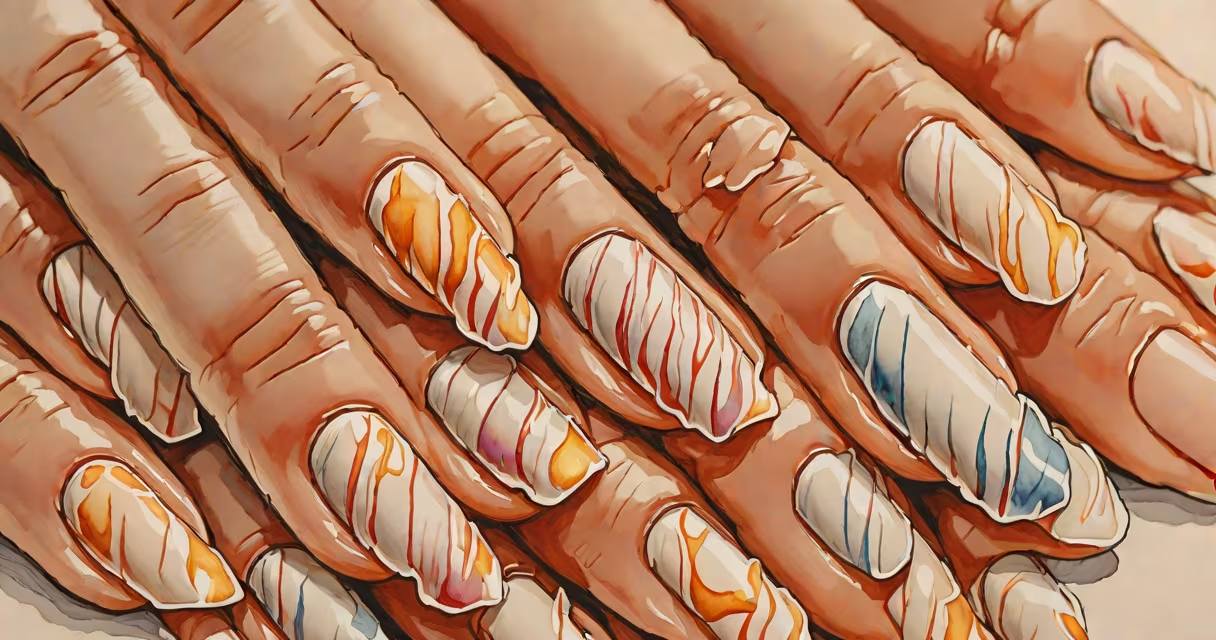
Vertical ridges in your nails are lines that run from the cuticle to the tip, often appearing as raised grooves. They're usually benign and linked to aging, but can also reflect nutritional imbalances or systemic health issues. These ridges form due to uneven growth in the nail matrix, the tissue beneath the nail root.
Most people develop mild ridges as they age. The nail plate grows slower over time, and minor disruptions in keratin deposition create visible lines. This process is normal and doesn't require treatment. However, sudden changes in ridge pattern-especially horizontal ridges or thickening-can indicate stress, illness, or vitamin deficiency.
The nail matrix produces keratin cells that harden into the nail plate. When this process slows or becomes irregular due to trauma, infection, or metabolic shifts, ridges form. For example, a fall that damages the nail bed may cause a temporary ridge that grows out over 6-12 months. Persistent ridges, especially if accompanied by discoloration or brittleness, warrant evaluation.
Nail ridges come in two primary forms: vertical and horizontal. Vertical ridges are most common and typically harmless. Horizontal ridges-known as Beau's lines-are more concerning and suggest a temporary halt in nail growth due to severe stress or illness.
| Type | Appearance | Common Causes | When to Seek Care |
|---|---|---|---|
| Vertical ridges | Lines running from cuticle to tip | Aging, dehydration, minor injury, iron deficiency | Usually not needed; monitor for worsening |
| Horizontal ridges (Beau's lines) | Deep grooves across the nail width | High fever, surgery, chemotherapy, zinc deficiency | Always consult a doctor if new or recurring |
Vertical ridges are often mistaken for signs of poor hygiene or fungal infection. But unlike fungal nails-which show yellowing, crumbling, or separation from the nail bed-vertical ridges don't alter the nail's color or structural integrity. A 2021 study in Journal of the American Academy of Dermatology found that 78% of adults over 50 had visible vertical ridges, with no correlation to disease.
Horizontal ridges differ. They appear when nail growth stops temporarily and resumes later, creating a visible gap. This can happen after high fevers, major surgery, or severe illness. For example, a patient recovering from pneumonia may develop Beau's lines six weeks post-recovery. The lines grow out as the nail regrows, taking about 6-12 months to reach the fingertip.
While most ridges are harmless, persistent or worsening patterns can indicate systemic issues. Iron deficiency anemia is one of the most common causes of vertical ridges. Low iron reduces oxygen delivery to tissues, including the nail matrix, leading to weakened keratin formation.
A 2019 clinical review in Clinical and Experimental Dermatology reported that 32% of patients with unexplained nail ridges had low serum ferritin levels. Supplementing iron improved nail texture in 68% of those cases. This suggests that even mild iron insufficiency-below the threshold for anemia-can affect nail structure.
Other conditions include psoriasis, which can cause pitting and ridging due to abnormal cell turnover in the nail matrix. Thyroid disorders, particularly hypothyroidism, slow metabolism and reduce nail growth rate, contributing to ridges. A 2020 study in Thyroid Research found that 41% of patients with untreated hypothyroidism showed nail abnormalities, including ridges.
Diabetes can also contribute. High blood sugar damages small blood vessels, reducing nutrient flow to the nail bed. A 2022 retrospective analysis of 1,200 diabetic patients found that 29% developed vertical ridges, compared to 14% in non-diabetic controls.
Many assume that ridges mean you're dehydrated. While dryness can make ridges more visible, it doesn't cause them. Dehydration affects skin and hair more than nail structure. A 2023 study in Dermatologic Clinics confirmed that oral hydration alone did not improve nail ridges in 100 participants with no other health issues.
Another myth is that ridges indicate poor nutrition. While deficiencies in iron, zinc, or biotin can contribute, they rarely cause isolated ridges. Most people with balanced diets still develop ridges with age. The key is context: if ridges appear suddenly, worsen, or accompany other symptoms like fatigue or brittle nails, then nutrition becomes a factor.
I once observed a patient with deep vertical ridges who believed she'd damaged her nails from frequent handwashing during the pandemic. After testing, her ferritin was 12 ng/mL (low), and her hemoglobin was within normal range. She began iron supplementation and saw noticeable improvement in nail texture after four months. This case highlights that ridges aren't always cosmetic-they can be early markers of internal imbalance.
See a healthcare provider if ridges appear suddenly, especially with other symptoms. Look for:
Doctors may order blood tests to check iron, zinc, vitamin B12, and thyroid function. A dermatologist can assess for psoriasis or other skin conditions affecting the nails. Early diagnosis prevents progression and identifies treatable causes.
For mild, age-related ridges, no treatment is needed. Moisturizing hands and nails daily can improve appearance. Avoid harsh soaps and frequent water exposure. Use a nail strengthener with calcium and biotin if brittleness is present.
Vertical ridges are common and often natural. But when they emerge abruptly or with other changes, they may reflect deeper health concerns. Understanding their origin helps separate normal aging from potential warning signs.