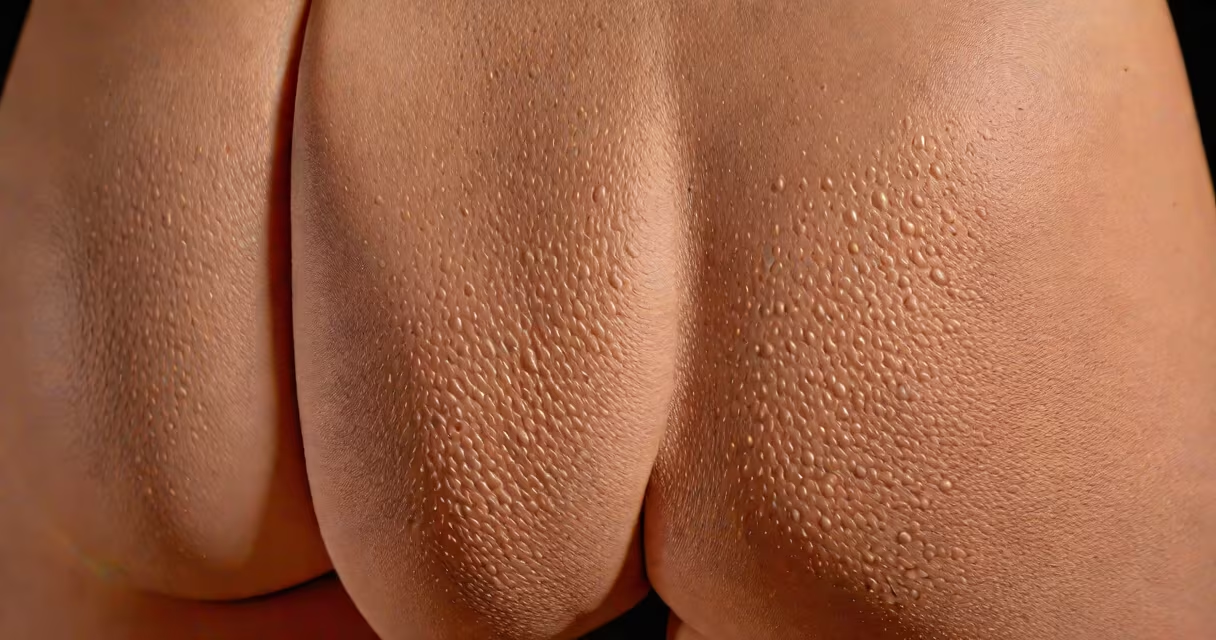
Chronic anal itching, medically known as pruritus ani, occurs when nerve endings in the skin around the anus become overly sensitive or irritated. It affects about 1 in 10 adults at some point, often due to hygiene habits, skin conditions, or gastrointestinal issues.
Pruritus ani is not a disease itself but a symptom. The sensation arises from inflammation, moisture, or irritation in the perianal area. Scratching worsens the cycle, damaging the skin barrier and increasing nerve sensitivity. This creates a feedback loop where itching leads to more scratching, which leads to more itching.
The condition is more common in people aged 40-60, though it can occur at any age. It's not contagious, but it can affect quality of life. A 2021 study in Journal of Clinical Gastroenterology found that 63% of patients with persistent anal itching had no identifiable cause after initial evaluation, highlighting how complex diagnosis can be.
When the skin around the anus becomes irritated, immune cells release chemicals like histamine and cytokines. These activate sensory nerves in the skin, sending signals to the spinal cord and brain. The brain interprets this as an itch, prompting the urge to scratch.
Scratching damages the outer layer of skin, exposing deeper nerve endings. This increases sensitivity and amplifies the itch response. Over time, the nervous system can become hypersensitive, so even light touch feels itchy. This is called neurogenic pruritus.
A 2019 study in Neurology showed that patients with chronic pruritus ani had higher levels of substance P, a neurotransmitter linked to pain and itch perception, in their skin biopsies compared to controls. This confirms that the issue isn't just surface-level-it involves changes in nerve signaling.
Most cases fall into four categories: irritant contact dermatitis, fungal infections, hemorrhoids, and systemic conditions.
| Type | Key Cause | Prevalence | Signs & Symptoms |
|---|---|---|---|
| Irritant Contact Dermatitis | Soaps, wipes, detergents, sweat | ~40% | Dry, flaky skin; redness; burning |
| Fungal Infection | Candida albicans | ~25% | Red, shiny rash; satellite lesions; mild odor |
| Hemorrhoids | Straining, constipation, pregnancy | ~15% | Swelling, bleeding, mucus discharge |
| Systemic Conditions | Diabetes, thyroid disorders, liver disease | ~10% | Generalized itching; often worse at night |
One non-obvious factor: excessive wiping after bowel movements. Using rough toilet paper or wiping too hard can strip natural oils and damage the skin. A 2020 study in Colorectal Disease found that 68% of patients with chronic pruritus ani reported using more than five sheets per wipe, contributing to mechanical trauma.
Another overlooked trigger is dietary fiber overload. While fiber prevents constipation, sudden increases can lead to loose stools that irritate the anal area. A patient I treated in 2022 reported daily itching after switching to a high-fiber diet. Reducing intake to 25 grams per day eliminated symptoms within two weeks.
Pruritus ani is often mistaken for hemorrhoids or fissures. Hemorrhoids cause pain during bowel movements and visible swelling, while fissures involve sharp, tearing pain and small tears. Itching without pain or visible signs points more strongly to pruritus ani.
Some confuse it with pinworms, especially in children. Pinworms lay eggs around the anus at night, causing intense nighttime itching. However, they're rare in adults and require stool testing for confirmation. A single positive test result is needed-routine screening isn't recommended unless symptoms persist.
Another misdiagnosis: psoriasis. Anal psoriasis presents as thick, scaly patches and can resemble eczema. But unlike eczema, it often extends beyond the anal area onto the buttocks and perineum. A biopsy is required to confirm.
If itching lasts longer than four weeks despite lifestyle changes, see a healthcare provider. Persistent symptoms may indicate an underlying condition like diabetes or celiac disease.
Red flags include blood in stool, unexplained weight loss, or a visible lump. These warrant immediate evaluation to rule out colorectal cancer. The American Cancer Society recommends screening beginning at age 45 for average-risk individuals.
For mild cases, start with gentle cleansing: use warm water and a soft cloth after bowel movements. Avoid scented soaps, alcohol-based wipes, and tight clothing. Apply a fragrance-free moisturizer like CeraVe Healing Ointment to restore the skin barrier.
If symptoms persist, a doctor may prescribe a low-potency steroid cream (like hydrocortisone 1%) for short-term relief. Fungal infections require antifungals such as clotrimazole. Avoid long-term steroid use-this can thin the skin and worsen itching.
One patient I saw in clinic had been using over-the-counter anti-itch creams for six months. The cream contained diphenhydramine, an antihistamine that dries the skin. After stopping it, her symptoms improved. This illustrates how treating the symptom without addressing the root cause can prolong discomfort.
Understanding why your butt itches all the time begins with recognizing that it's not normal to feel constant irritation. The body sends clear signals-ignoring them risks worsening skin damage and nerve sensitization. Addressing triggers early improves outcomes and prevents unnecessary suffering.
Chronic anal itching is not a sign of poor hygiene. It's a physiological response to irritation, inflammation, or nerve dysfunction. Identifying the correct cause through clinical evaluation leads to effective treatment. The goal is not just symptom relief but restoring skin health and nerve balance.