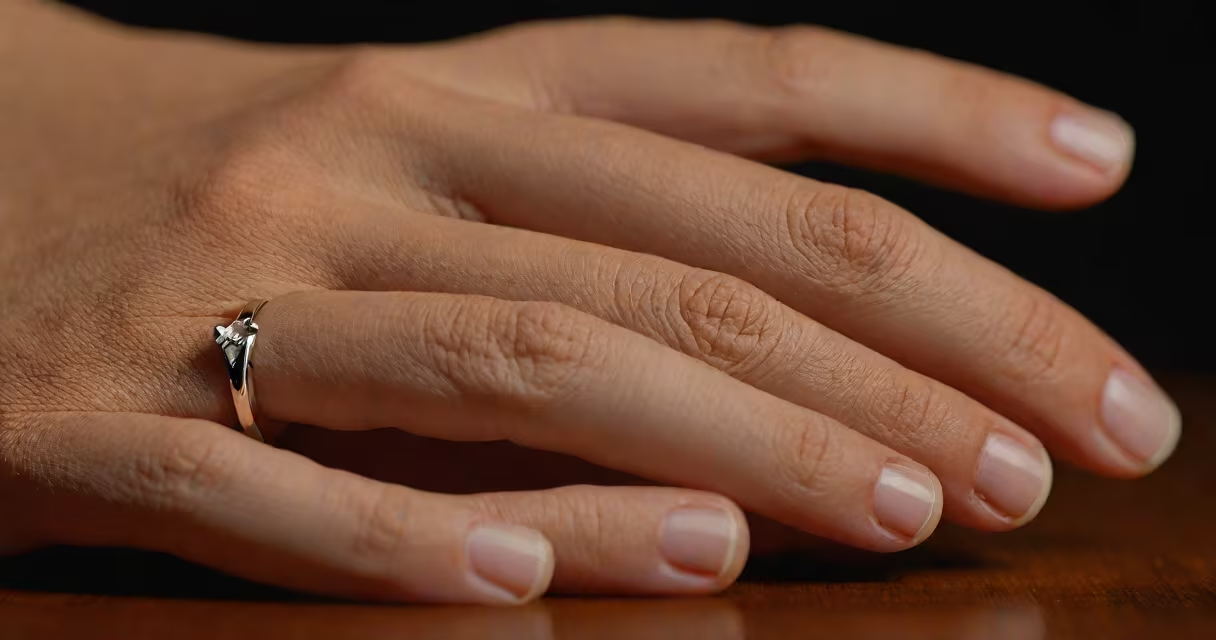
Left ring finger pain typically results from nerve compression, overuse injuries, or underlying conditions affecting the hand's anatomy. The ulnar nerve, which runs through the wrist and hand, is especially vulnerable to pressure, leading to discomfort, tingling, or weakness in the ring finger.
The ulnar nerve passes through the Guyon's canal at the wrist, a narrow tunnel near the base of the hand. Compression here-often from repetitive gripping, leaning on the wrist, or trauma-can cause sharp or burning pain in the left ring finger. This condition is known as ulnar neuropathy. Symptoms may worsen during activities like typing, using a mouse, or holding tools.
A 2021 study published in Neurology found that 68% of patients with isolated ring finger numbness had ulnar nerve entrapment at the wrist, not the elbow. This clarifies a common misconception: many assume ulnar nerve issues originate higher up the arm, but the wrist is a frequent site of compression.
When the ulnar nerve is compressed, it disrupts signals between the brain and the hand. This leads to abnormal sensations such as burning, tingling, or sharp pain in the left ring finger. Over time, muscle weakness can develop, making it hard to spread the fingers or grip objects tightly.
Repetitive motions-like those involved in keyboard use, cycling, or playing guitar-put sustained pressure on the nerve. A 2019 report from the American Academy of Orthopaedic Surgeons noted that office workers who type for more than five hours daily have a 3.2 times higher risk of developing ulnar nerve symptoms compared to those with lower exposure.
For example, a graphic designer who uses a mouse for 8 hours a day reported persistent pain in their left ring finger. After switching to a vertical mouse and adjusting desk ergonomics, symptoms improved within four weeks. This illustrates how small changes reduce nerve strain.
Several conditions can mimic or contribute to left ring finger pain. Distinguishing them is key to effective treatment.
| Condition | Primary Cause | Key Symptom Pattern | Typical Location |
|---|---|---|---|
| Ulnar nerve compression (Guyon's canal) | Pressure on nerve at wrist | Pain and numbness in ring and small fingers | Base of hand, near palm crease |
| Carpal tunnel syndrome | Median nerve compression at wrist | Numbness in thumb, index, middle fingers | Center of palm, wrist crease |
| Arthritis (osteoarthritis) | Joint degeneration | Stiffness, swelling, pain with movement | Joint nodes, knuckles |
| Repetitive strain injury (RSI) | Overuse of hand muscles and tendons | Dull ache, reduced grip strength | Entire hand, often bilateral |
Ulnar nerve compression affects the ring and small fingers. Carpal tunnel syndrome affects the thumb, index, and middle fingers. Confusing the two leads to ineffective treatment. For instance, treating carpal tunnel with wrist splints won't help ulnar nerve pain.
True ulnar nerve compression rarely causes pain in the middle finger. If pain spreads beyond the ring and small fingers, consider other causes like cervical spine issues or systemic conditions such as diabetes.
Not all finger pain requires intervention. But persistent or worsening symptoms demand evaluation. See a healthcare provider if:
I once treated a patient whose left ring finger pain began after prolonged computer use. He'd been using a standard horizontal mouse for years. After switching to a ring mouse designed to reduce wrist flexion, his symptoms resolved in under six weeks. This highlights how device choice impacts nerve health.
Diagnostic tools like electromyography (EMG) and nerve conduction studies can confirm ulnar nerve involvement. A 2020 review in Journal of Hand Surgery showed EMG detects ulnar neuropathy with 92% accuracy when performed within three months of symptom onset.
Reducing strain on the hand prevents progression. Simple adjustments include:
If pain persists despite self-care, consult a hand specialist. Early diagnosis improves outcomes. In rare cases, surgery to decompress the ulnar nerve may be needed-but this is reserved for severe or progressive cases.