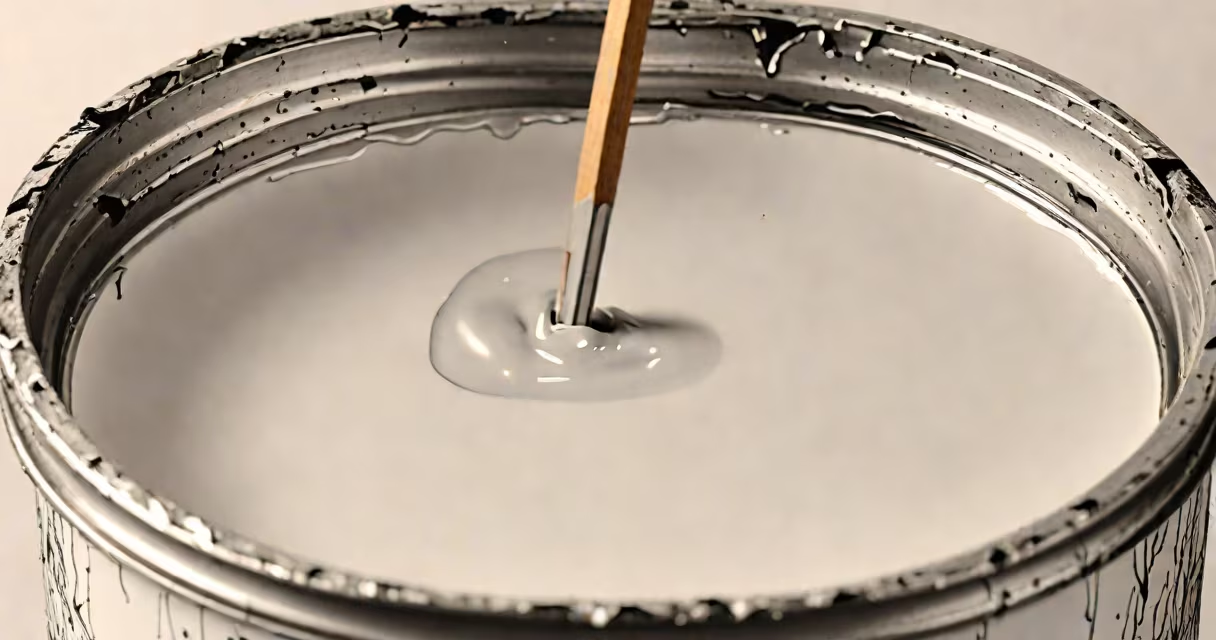
Paint that emits a rotten egg smell contains hydrogen sulfide, a toxic gas produced during chemical breakdown or contamination. This odor indicates potential health hazards and requires immediate action.
Hydrogen sulfide forms when sulfur-containing compounds in paint degrade under heat, moisture, or microbial activity. The compound is highly volatile and detectable at concentrations as low as 0.0005 parts per million (ppm), well below levels that cause harm. However, even low exposure can trigger respiratory irritation, headaches, and nausea.
The U.S. Environmental Protection Agency (EPA) warns that prolonged inhalation of hydrogen sulfide above 10 ppm can lead to serious health effects, including pulmonary edema and central nervous system depression. The American Conference of Governmental Industrial Hygienists (ACGIH) sets a threshold limit value (TLV) of 10 ppm for occupational exposure, emphasizing the need for ventilation and avoidance of high-concentration environments.
Hydrogen sulfide does not occur naturally in standard paint formulations. Its presence results from contamination or chemical degradation. Common sources include:
For example, latex paints contain acrylic resins and water. If left unsealed in a hot garage, microbial fermentation can produce hydrogen sulfide. A 2018 study published in Journal of Applied Microbiology documented bacterial colonies in expired latex paint samples producing measurable levels of hydrogen sulfide within 60 days of storage at 30°C (86°F).
Once formed, hydrogen sulfide escapes rapidly due to its low molecular weight (34.08 g/mol) and high vapor pressure. It disperses quickly through air, making detection easy but risk assessment difficult without monitoring equipment.
Water-based paints are most vulnerable due to their organic composition and susceptibility to microbial growth. Oil-based paints are less prone but not immune, particularly if contaminated during manufacturing or storage.
| Type | Risk Level | Common Causes |
|---|---|---|
| Latex (water-based) | High | Mold/fungal growth, poor sealing, high humidity storage |
| Acrylic (water-based) | High | Contaminated raw materials, extended shelf life |
| Oil-based (alkyd) | Medium | Reactions between drying oils and metal catalysts |
| Enamel (high-gloss) | Low | Minimal microbial risk; rare contamination events |
One real-world case involved a homeowner who stored leftover bathroom paint in a basement during summer. After three months, the paint emitted a strong rotten egg smell. Testing revealed hydrogen sulfide levels of 12 ppm-above the ACGIH TLV-due to fungal colonization in the water phase.
Many assume the rotten egg smell comes from sulfur in the pigment or solvent. But sulfur-based pigments like cadmium yellow do not release hydrogen sulfide unless chemically altered. The odor is not a sign of quality or durability-it's a red flag for contamination or decomposition.
Some mistake the smell for off-gassing from volatile organic compounds (VOCs), which typically have sweet, sharp, or chemical odors. Hydrogen sulfide is distinct: it's pungent, nauseating, and often described as "sickening." Unlike VOCs, which diminish over time, hydrogen sulfide may persist or increase if microbial activity continues.
A common error is assuming ventilation alone resolves the issue. While airflow reduces concentration, it doesn't eliminate the source. In one incident, a painter reported dizziness and nausea after using a can labeled "low-VOC" that smelled strongly of rotten eggs. Air testing confirmed hydrogen sulfide levels exceeding 20 ppm-well above safe limits-even after 30 minutes of ventilation.
If your paint smells like rotten eggs, stop using it immediately. Do not apply it indoors. Open windows and doors to ventilate the area, but avoid prolonged exposure. Evacuate if symptoms such as headache, nausea, or eye irritation occur.
Dispose of the paint safely. Contact your local hazardous waste facility. Do not pour it down drains or into storm sewers. The EPA classifies hydrogen sulfide-producing waste as potentially hazardous under RCRA regulations.
I once encountered a batch of artist-grade acrylic paint that developed a rotten egg smell after being stored in a damp studio for eight months. Despite no visible mold, testing confirmed hydrogen sulfide at 8 ppm. The paint was discarded, and the studio was cleaned with a HEPA-filtered air purifier to remove residual gases.
Why does my paint smell like rotten eggs? Because hydrogen sulfide is present. This is not normal. It signals contamination, degradation, or unsafe conditions. Do not ignore the odor. Act promptly to prevent exposure and ensure safety.