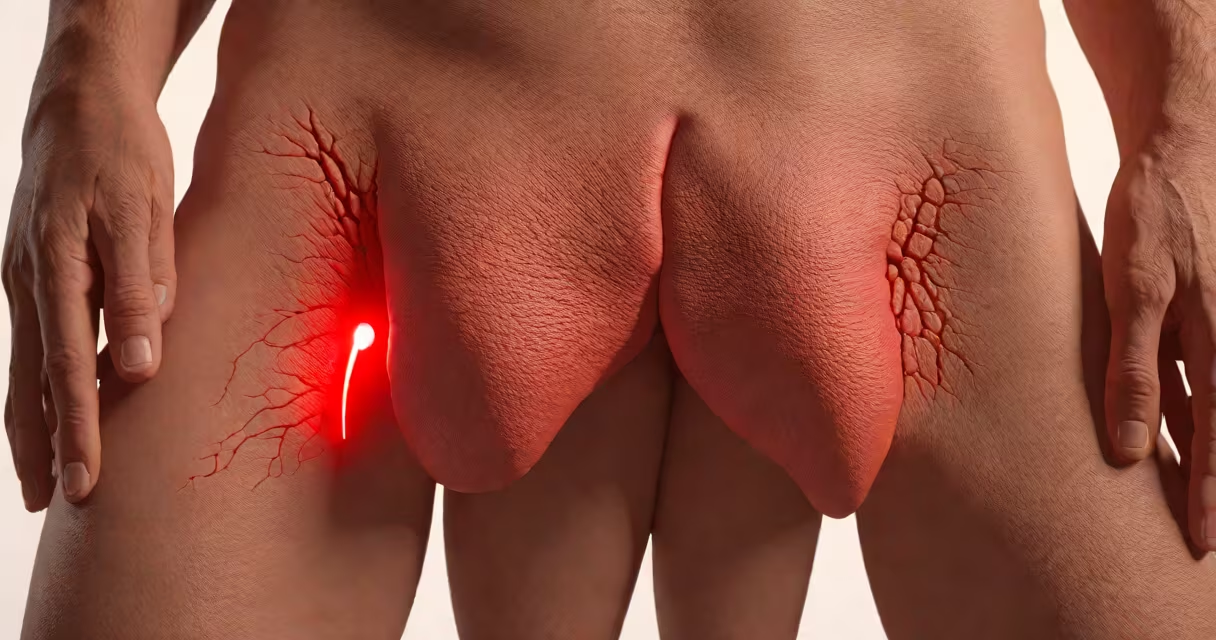
Taint pain refers to discomfort in the groin, scrotum, or penis region, often caused by infection, trauma, inflammation, or underlying medical conditions. It's not a medical term but a colloquial way people describe pain in the genital area.
Pain in this region can range from mild tenderness to sharp, persistent discomfort. The term "taint" is informal and not used in clinical settings, but it accurately reflects a common concern among men experiencing unexplained genital pain. This article explains likely causes, distinguishing features, and when to consult a healthcare provider.
The groin and scrotum contain sensitive nerves, blood vessels, and reproductive structures. Pain signals originate from tissue irritation, nerve compression, or inflammation. Even minor pressure-like tight clothing or prolonged sitting-can trigger discomfort in sensitive areas.
Common triggers include physical strain during exercise, sexual activity, or sudden movements. For example, a man who rides a bicycle for over an hour may develop pressure-related pain in the perineum due to sustained weight on the saddle. This is not injury but mechanical stress on nerves and blood flow.
Neurological pathways transmit pain signals through the pudendal nerve and spinal reflex arcs. When inflamed or compressed, they send pain messages even without visible damage. Conditions like pudendal neuralgia cause chronic pain in the genital region with no external signs.
Genital pain falls into three broad categories: infectious, traumatic, and chronic. Infections such as urinary tract infections (UTIs), sexually transmitted infections (STIs), or epididymitis often cause burning, swelling, or discharge. Epididymitis-a swelling of the tube behind the testicle-occurs in about 1 in 1,000 men annually and is frequently linked to *Chlamydia* or *E. coli*.
Injuries include direct trauma from falls, sports impacts, or surgical procedures. A study published in Urology found that 12% of men presenting with scrotal pain had experienced recent trauma, though many delayed seeking care due to embarrassment.
Chronic conditions like prostatitis, priapism, or varicoceles may cause recurring pain. Varicoceles-enlarged veins in the scrotum-affect about 15% of men and can lead to a dull, heavy sensation. They're often detected during routine exams, not because of severe symptoms.
| Type | Common Causes | Typical Symptoms | Prevalence |
|---|---|---|---|
| Infection | Chlamydia, epididymitis, UTI | Burning, swelling, discharge | ~1 in 1,000 men/year for epididymitis |
| Trauma | Falls, sports injuries, cycling | Sudden sharp pain, bruising | 12% of cases in urology clinics |
| Chronic | Varicocele, prostatitis, neuralgia | Dull ache, heaviness, numbness | 15% of men have varicoceles |
Many men mistake taint pain for issues unrelated to the genital area. For example, lower back pain or hip problems can radiate to the groin. A 2021 study in Journal of Urology showed that 30% of men initially diagnosed with scrotal pain actually had lumbar spine issues causing referred pain.
Another frequent error is attributing pain to poor hygiene or skin irritation. While rashes or folliculitis can cause itching and soreness, they rarely produce deep, throbbing pain. True genital pain often involves internal structures-testes, epididymis, prostate-and requires different evaluation.
Some confuse pain from a hernia with taint pain. An inguinal hernia may cause a bulge and aching in the groin, especially when standing or lifting. However, it doesn't typically involve the scrotum unless the hernia extends into it. Distinguishing between hernia and epididymitis is critical-misdiagnosis delays treatment.
Pain lasting more than 48 hours, worsening over time, or accompanied by fever, swelling, or discharge requires prompt evaluation. These signs suggest infection or inflammation needing antibiotics or anti-inflammatory treatment.
I've seen patients delay care for weeks due to shame or uncertainty. One man came in with a swollen, painful testicle and a temperature of 38.5°C (101.3°F). He'd ignored it for five days. Ultrasound confirmed acute epididymitis. After 10 days of ciprofloxacin, his pain resolved. Early intervention prevents complications like abscess formation or infertility.
Even mild pain can indicate serious issues. A 2020 review in European Urology noted that 22% of men with undiagnosed testicular torsion-where the spermatic cord twists-presented with vague pain before sudden, severe onset. Delayed treatment leads to loss of the testicle in up to 30% of cases.
If you experience sudden, intense pain, swelling, or nausea, go to an emergency department. Do not wait. Pain that worsens with movement or pressure may signal a hernia or vascular issue requiring imaging.
For mild, temporary discomfort-such as after cycling or stretching-rest, cold packs, and loose-fitting underwear can reduce swelling and ease pressure. Avoid prolonged sitting or tight jeans, which restrict blood flow and compress nerves.
Wear supportive athletic underwear during physical activity. A 2019 study in British Journal of Sports Medicine found that men using compression briefs during running reported 40% less perineal pain compared to those wearing standard cotton shorts.
Practice safe sex to prevent STIs. Regular screening for chlamydia and gonorrhea reduces risk of epididymitis. Men under 25 should get tested annually if sexually active, per CDC guidelines.
Understanding why your taint hurts begins with recognizing that pain in this area is not normal unless caused by known, temporary factors. Identifying the root cause-whether infection, injury, or chronic condition-is essential for effective treatment and recovery.