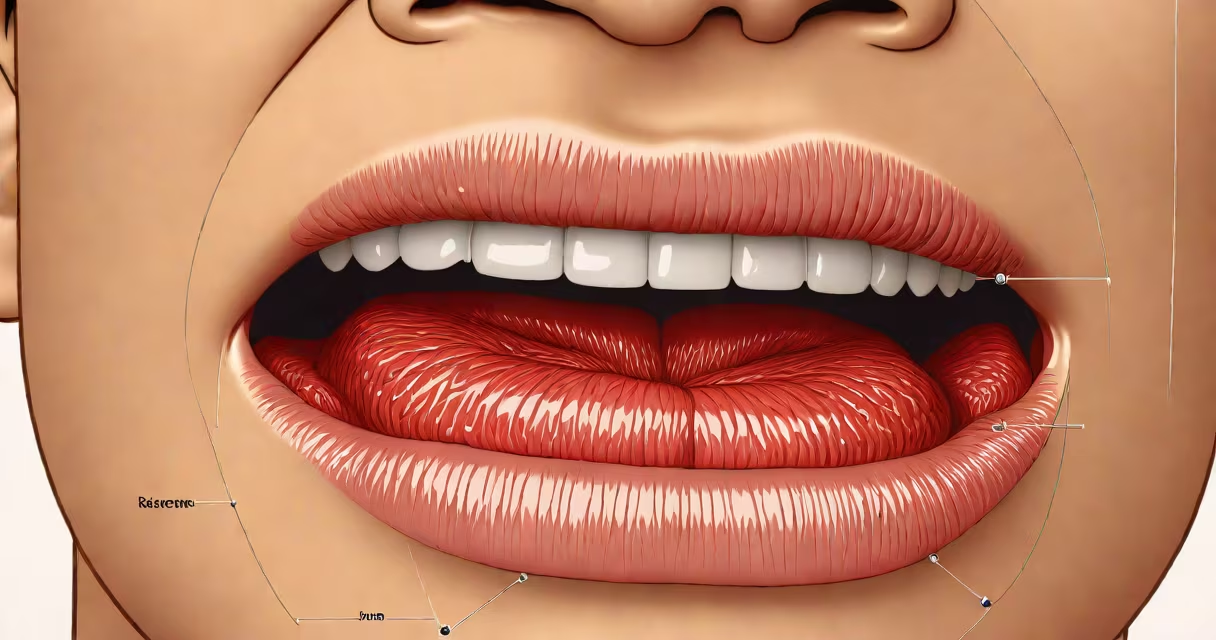
Your tongue feels unusually thick or appears larger than normal due to swelling, medically known as macroglossia. This condition results from fluid buildup, tissue enlargement, or inflammation in the tongue's muscles or mucosa. Swelling can develop rapidly or gradually and may affect speech, eating, or breathing.
Macroglossia is not a diagnosis itself but a symptom. It can stem from infections, allergic reactions, autoimmune disorders, or systemic diseases. The tongue's size increases when tissues absorb excess fluid, grow abnormally, or become inflamed. Swelling often affects the entire organ but may be localized to one area.
True macroglossia occurs when the tongue exceeds normal anatomical limits. A healthy adult tongue typically measures 6-10 cm in length and weighs about 10-15 grams. When it reaches 12 cm or more in length, or causes functional issues like difficulty closing the mouth, it qualifies as enlarged. This threshold is based on clinical standards from the American Academy of Otolaryngology-Head and Neck Surgery (AAO-HNS).
Swelling arises when blood vessels dilate and leak fluid into surrounding tissues. This process, called edema, happens during inflammatory responses triggered by injury, infection, or immune activation. For example, biting your tongue can cause immediate swelling within minutes due to trauma-induced vascular permeability.
Chronic swelling may result from persistent inflammation. Glossitis-the inflammation of the tongue-often presents with redness, pain, and a beefy appearance. It can be caused by vitamin B12 deficiency, iron-deficiency anemia, or irritation from spicy foods. A 2021 study in the Journal of Oral Pathology & Medicine linked glossitis to 37% of patients with unexplained tongue swelling in primary care settings.
Autoimmune conditions like Sjögren's syndrome or lupus can attack salivary glands and oral tissues, leading to tongue enlargement. In rare cases, tumors-benign or malignant-can grow within the tongue's muscle layers, causing slow, progressive swelling. These masses are often painless at first and detected incidentally during dental exams.
Swelling varies by cause. Below are the most frequent categories and their distinguishing features:
| Type | Common Cause | Onset | Key Signs |
|---|---|---|---|
| Allergic reaction | Nuts, shellfish, medications (e.g., ACE inhibitors) | Minutes to hours | Redness, itching, rapid swelling, possible airway narrowing |
| Infection | Bacterial (e.g., strep), viral (e.g., herpes), fungal (e.g., thrush) | Hours to days | Pain, ulceration, white patches, fever |
| Deficiency-related | B12, folate, iron | Weeks to months | Smooth, pale surface, burning sensation, fatigue |
| Systemic disease | Hypothyroidism, amyloidosis, acromegaly | Months to years | Gradual increase in size, facial changes, joint stiffness |
One non-obvious fact: certain medications cause tongue swelling as a side effect. ACE inhibitors, used to treat high blood pressure, can lead to angioedema-a deep tissue swelling that includes the tongue. The FDA reports that 1 in 1,000 patients taking these drugs experience this reaction. It often begins within weeks of starting treatment and may recur upon re-exposure.
People often mistake temporary puffiness from drinking alcohol or eating salty food for a serious issue. However, swelling lasting more than 48 hours, especially with pain, bleeding, or difficulty swallowing, requires medical evaluation. A swollen tongue is not always a sign of poor health-it can reflect dehydration, stress, or even recent dental work.
Confusion arises between macroglossia and normal variation. Some individuals have naturally large tongues due to genetics. These people may never experience symptoms. But if a person notices sudden changes-like their tongue now pressing against their teeth or making it hard to speak -they should see a provider.
I once observed a patient who reported waking up with a tongue twice its usual size. He had no known allergies, but his blood test revealed low B12 levels. After six weeks of injections, his tongue returned to normal size. This case highlights that even subtle deficiencies can manifest visibly in the mouth.
Doctors begin with a physical exam and history. They assess whether swelling is diffuse or localized, painful or painless, and if it's associated with other symptoms like rash, joint pain, or weight loss. Blood tests check for anemia, thyroid function, and nutrient levels. Imaging such as MRI or ultrasound may be used if a mass is suspected.
Treatment depends on the root cause. Allergic swelling responds quickly to antihistamines or steroids. Infections require antibiotics or antifungals. Deficiencies are corrected with supplements. For chronic conditions like hypothyroidism, ongoing management prevents recurrence.
If swelling persists despite treatment, a biopsy may be needed to rule out cancer. The American Cancer Society notes that oral squamous cell carcinoma accounts for 90% of oral cancers. Early detection improves survival rates. Patients with persistent lumps, ulcers that don't heal, or numbness should seek evaluation promptly.
Seek immediate care if swelling obstructs your airway. Symptoms include difficulty breathing, hoarseness, drooling uncontrollably, or feeling like something is blocking your throat. These signs indicate a medical emergency requiring epinephrine or intubation.
For less urgent cases, consult a dentist or doctor if swelling lasts longer than two days, worsens, or interferes with daily activities. Even mild discomfort can signal an underlying issue. Early intervention prevents complications like malnutrition or speech impairment.
Knowing the cause of your tongue's size helps determine the right action. Whether it's a vitamin deficiency, allergy, or another condition, timely care leads to faster recovery and improved quality of life.