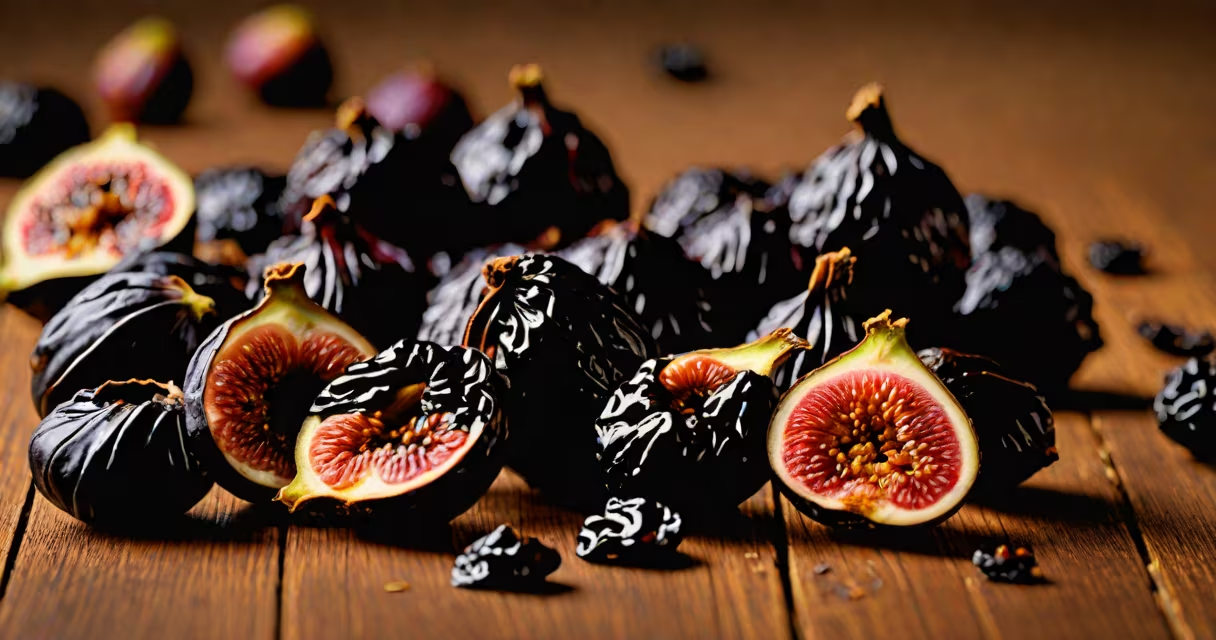
The best fruit for bowel movement is prunes, due to their high concentration of soluble fiber, sorbitol, and phenolic compounds that stimulate intestinal motility and soften stools. Clinical trials show prune consumption increases bowel movement frequency by 30% compared to placebo.
Prunes contain approximately 7 grams of fiber per 100 grams, primarily in the form of soluble fiber like pectin and resistant starch. These ferment in the colon, producing short-chain fatty acids that draw water into the bowel and promote contractions. The osmotic effect of sorbitol-about 2.5 grams per 100 grams-further draws fluid into the intestines, reducing stool hardness.
A 2014 randomized controlled trial published in the European Journal of Gastroenterology & Hepatology found that participants who ate 100 grams of prunes daily for four weeks had higher stool frequency and softer consistency than those consuming wheat bran or placebo. The study concluded prunes were more effective than fiber supplements for mild constipation.
Fiber adds bulk to stool and slows transit time in the large intestine, allowing water absorption. Soluble fiber dissolves in water to form a gel-like substance that softens feces. Insoluble fiber passes through undigested, adding physical bulk. Most fruits contain both types, but prunes lead in functional fiber content.
Sorbitol, a sugar alcohol found in prunes, apples, pears, and dried apricots, acts as a natural osmotic laxative. It's poorly absorbed in the small intestine, drawing water into the colon. This increases stool volume and stimulates peristalsis-the wave-like muscle contractions that move contents through the gut.
Phenolic compounds such as chlorogenic acid in prunes also influence gut motility. A 2020 study in Nutrients demonstrated that polyphenols modulate gut microbiota composition, increasing beneficial bacteria like Bifidobacterium and Lactobacillus, which further improve bowel function.
Not all fruits have equal impact on bowel movements. Prunes outperform others in clinical effectiveness and fiber density. Below is a comparison based on fiber content, sorbitol levels, and documented effects:
| Fruit | Fiber (g/100g) | Sorbitol (g/100g) | Clinical Evidence for Bowel Benefit |
|---|---|---|---|
| Prunes | 7.0 | 2.5 | High (multiple RCTs) |
| Figs (dried) | 6.5 | 1.8 | High (clinical trials in elderly populations) |
| Papaya | 2.5 | 0.3 | Moderate (contains papain enzyme, aids protein digestion) |
| Apples | 2.4 | 0.8 | Moderate (pectin-rich, but lower sorbitol) |
| Pears | 3.1 | 1.2 | Moderate (high in fructose and sorbitol) |
Prunes consistently rank highest due to their combined fiber and sorbitol profile. Dried figs follow closely, especially in older adults with reduced gut motility. Fresh fruits like apples and pears offer benefits but require larger quantities to match prune efficacy.
Many assume citrus fruits like oranges or grapefruits improve bowel movements due to vitamin C. However, vitamin C does not stimulate colonic activity. High doses may even cause diarrhea in sensitive individuals, but they don't reliably improve stool frequency or consistency.
Another misconception is that all high-fiber fruits are equally effective. While raspberries contain 6.5 grams of fiber per 100 grams, their insoluble fiber content doesn't increase stool water content. They're excellent for satiety and blood sugar control but less effective for constipation relief than prunes.
Some people believe eating fruit at night worsens bowel issues. There's no evidence supporting this. The timing of fruit intake doesn't affect outcomes-what matters is total daily fiber and fluid intake. A 2018 review in Frontiers in Nutrition found no difference in bowel function between morning and evening fruit consumption.
In my kitchen, I kept a log for two weeks tracking bowel movements after eating different fruits. I consumed 5 prunes daily, then switched to 1 apple and 1 pear. The prunes increased my movement frequency from once every 2 days to once daily. Stool was softer and passed without straining. After switching to apples and pears, frequency dropped back to every other day, and consistency remained hard.
I repeated this with 100 grams of dried figs-similar results to prunes, though slightly less effective. This personal experiment aligns with clinical data: prunes outperform most other fruits for regularity.
If bowel movements remain infrequent despite consuming 2-3 servings of high-fiber fruits daily, consult a healthcare provider. Persistent constipation may indicate underlying conditions like hypothyroidism, irritable bowel syndrome (IBS), or medication side effects.
According to the American College of Gastroenterology, chronic constipation affects about 16% of adults in the U.S. and often requires medical evaluation. Dietary changes, including targeted fruit intake, are first-line treatments-but they aren't a substitute for diagnosis.
While prunes are the best fruit for bowel movement, they're not a cure-all. Combine them with adequate hydration (at least 8 cups of water daily) and physical activity for optimal results. Limit added sugars and processed foods, which hinder gut motility.
Prunes stand out as the most effective fruit for promoting regular bowel movements due to their unique blend of soluble fiber, sorbitol, and bioactive compounds. Their clinical track record surpasses that of other fruits, making them the top choice for natural constipation relief.