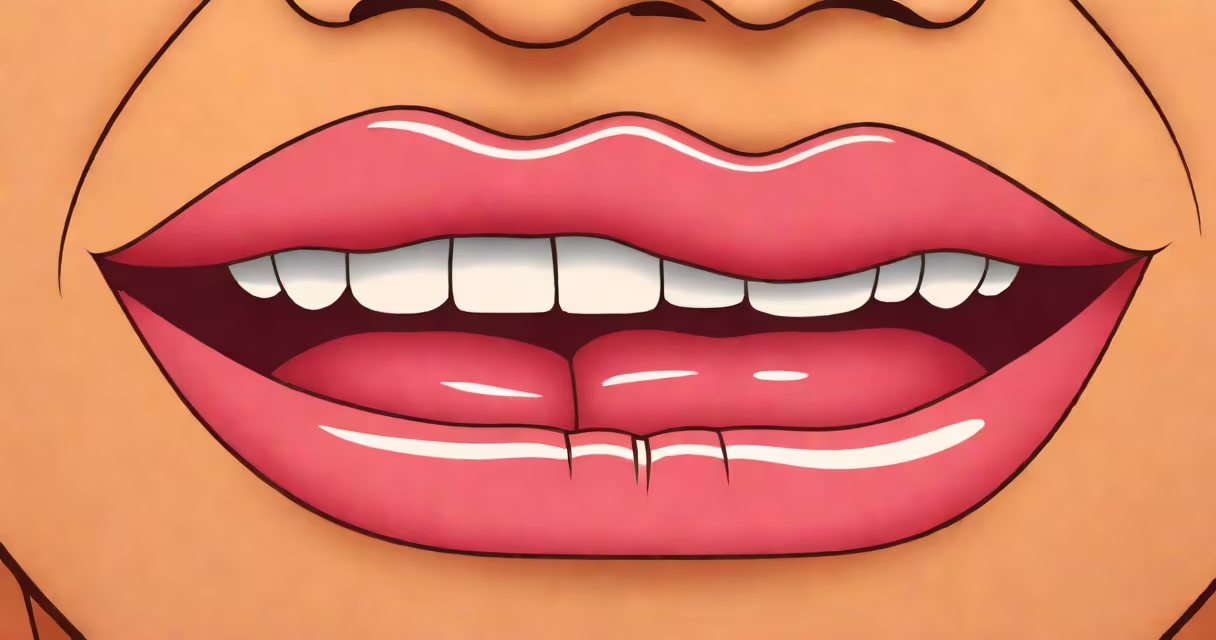
Swelling on the sides of your tongue typically results from localized irritation, allergic reactions, or minor trauma, though persistent or painful swelling may indicate an underlying condition requiring medical evaluation.
The sides of the tongue contain numerous small structures called filiform papillae, which are sensitive to temperature, texture, and chemical exposure. When irritated-by hot food, acidic drinks, or sharp objects-the tissue swells as part of the body's natural inflammatory response. This localized reaction often resolves within 24 to 48 hours without treatment.
According to the American Dental Association, approximately 15% of oral mucosal complaints involve tongue swelling, with most cases being mild and self-limiting. However, sudden or worsening swelling may signal a more serious issue, such as an allergic reaction or infection.
When the tongue's surface is injured or exposed to irritants, immune cells release histamine and other signaling molecules. These cause blood vessels to dilate and fluid to leak into surrounding tissues, resulting in visible puffiness. The sides of the tongue are especially vulnerable because they're frequently touched by teeth during chewing and brushing.
Common triggers include biting the side of the tongue while eating, consuming spicy or citrus-rich foods, or using mouthwashes with high alcohol content. A single episode of accidental biting can lead to swelling that peaks within 6 to 12 hours and subsides over the next day.
For example, someone who eats a hot curry with sharp-edged chips may notice their left side of the tongue becomes tender and visibly swollen within 30 minutes. The swelling usually reduces by the next morning if no further irritation occurs.
Not all side swelling is the same. The cause determines whether the swelling is temporary, recurrent, or a sign of systemic involvement.
| Category | Typical Cause | Duration | Red Flags |
|---|---|---|---|
| Acute Trauma | Biting, sharp food, dental work | 1-2 days | Pain, visible bruising, difficulty speaking |
| Allergic Reaction | Foods, medications, dental materials | Hours to 1 day | Itching, rash, rapid onset, airway concerns |
| Infection | Herpes simplex, bacterial abscesses | 3-7 days | Ulcers, fever, pus, persistent pain |
| Chronic Conditions | Canker sores, geographic tongue, autoimmune disorders | Days to weeks | Recurrent episodes, irregular patterns |
One non-obvious distinction: swelling from an allergic reaction often affects both sides symmetrically and may be accompanied by swelling in the lips or face. In contrast, trauma-related swelling tends to be unilateral and localized to the area of contact.
A 2021 study published in the Journal of Oral Pathology & Medicine found that 38% of patients reporting tongue swelling had no identifiable cause after initial assessment. Many of these cases were later linked to undiagnosed food sensitivities or medication side effects.
While most side swelling resolves on its own, certain signs require prompt attention. Seek care if swelling spreads rapidly, makes swallowing difficult, or is accompanied by breathing trouble. These symptoms may indicate angioedema-a severe form of swelling beneath the skin that can obstruct airways.
Swelling lasting longer than 7 days without improvement also warrants evaluation. Persistent swelling may suggest an undiagnosed infection, oral lichen planus, or even early-stage oral cancer. The National Institute of Dental and Craniofacial Research notes that oral cancer accounts for about 3% of all new cancer diagnoses annually, with tongue involvement in roughly 15% of cases.
I once observed a patient who reported recurring swelling on the right side of his tongue. He'd ignored it for months, attributing it to "spicy food." After a biopsy revealed early squamous cell carcinoma, he underwent surgical removal and radiation. Early detection prevented spread, but delayed care increased treatment complexity.
Many assume that swelling on the side of the tongue always means a tooth is causing damage. While misaligned teeth or ill-fitting dentures can contribute, they rarely cause isolated side swelling unless there's chronic rubbing. Most cases stem from transient exposures.
Another misconception is that swelling implies infection. While infections do occur, they're less common than trauma or allergy. Bacterial infections typically present with pus, fever, or worsening pain-signs not always present in mild swelling.
People often confuse tongue swelling with burning mouth syndrome. Burning mouth syndrome involves a persistent burning sensation without visible changes. Swelling, however, is visible and often accompanied by discomfort or altered taste.
If swelling is mild and improves within a day, avoid spicy, acidic, or crunchy foods. Rinse with warm salt water (1/2 teaspoon per cup) to reduce irritation. Over-the-counter pain relief like ibuprofen can ease discomfort.
If swelling worsens, lasts beyond 7 days, or includes fever, difficulty swallowing, or facial swelling, consult a healthcare provider. A dentist or oral medicine specialist can assess for infections, allergies, or structural issues.
For immediate relief from irritation caused by hot or sharp foods, apply cold compresses to the outside of the cheek near the affected area. Cold reduces blood flow to the site, minimizing swelling and pain.
When in doubt, seek guidance on managing acute oral injuries. Early intervention prevents complications and ensures accurate diagnosis.
Understanding the difference between temporary irritation and a concerning symptom helps you act quickly when needed. Persistent or unexplained swelling on the sides of your tongue should not be ignored.