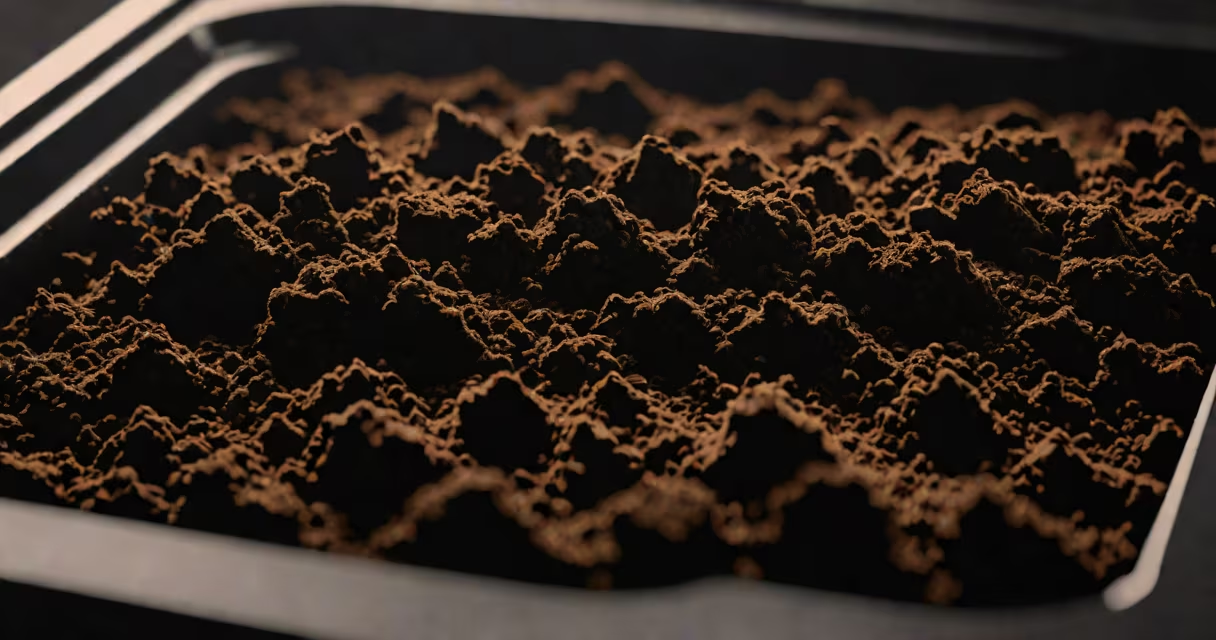
Throwing up black material, clinically termed hematemesis, signals the presence of digested blood in the stomach or upper gastrointestinal tract. The dark color results from gastric acid breaking down hemoglobin from blood, turning it into a black, tarry substance resembling coffee grounds. This is not normal and demands immediate medical attention.
Black vomit is not a symptom to ignore. It typically indicates significant bleeding in the esophagus, stomach, or duodenum. Common causes include peptic ulcers, gastritis from NSAIDs or alcohol, esophageal varices due to liver disease, or malignancies. The condition is serious because untreated bleeding can lead to shock, organ failure, or death.
According to the American Gastroenterological Association, approximately 10% of patients presenting with hematemesis require emergency endoscopy within 24 hours. A study published in Gastroenterology found that 60% of cases involving black vomit were linked to peptic ulcer disease or acute gastritis. These statistics show that black vomit is a red flag, not a minor issue.
When blood enters the stomach, gastric acid rapidly breaks down hemoglobin-the oxygen-carrying protein in red blood cells. This process turns fresh red blood into a dark brown or black pigment called methemoglobin. Over time, the blood becomes more degraded, forming a thick, tarry consistency. The result is the characteristic "coffee ground" appearance seen in emesis.
The timing of the bleed matters. Fresh blood appears bright red and may be visible in vomit. As blood sits in the stomach for 30 minutes to several hours, it changes color. If vomiting occurs more than an hour after bleeding began, the material is likely to appear black. This timeline helps clinicians estimate when the hemorrhage occurred.
A real-world example: A 52-year-old man with a history of chronic NSAID use for arthritis presented to the ER with black vomit. He reported no pain but had dizziness and fatigue. Endoscopy revealed a large ulcer in the gastric fundus. Blood tests showed hemoglobin of 7.8 g/dL. He required transfusion and endoscopic treatment. His condition stabilized after 48 hours. This case illustrates how black vomit can occur without warning signs like abdominal pain.
Not all black vomit stems from the same cause. The most common etiologies fall into four categories: peptic ulcer disease, esophageal varices, acute gastritis, and malignancy. Each has distinct risk factors and clinical presentations.
| Condition | Prevalence in Hematemesis Cases | Key Risk Factors | Diagnostic Clue |
|---|---|---|---|
| Peptic Ulcer Disease | 40-50% | NSAID use, H. pylori infection, smoking | History of dyspepsia, often sudden onset |
| Esophageal Varices | 15-20% | Liver cirrhosis, alcohol abuse, portal hypertension | History of liver disease, rapid volume loss |
| Acute Gastritis | 20-30% | Alcohol, stress, corticosteroids, severe illness | Recent hospitalization, trauma, or sepsis |
| Malignancy | 5-10% | Age >50, weight loss, family history | Progressive symptoms, failure to respond to treatment |
One non-obvious distinction: black vomit does not always mean internal bleeding. Rarely, ingesting iron supplements, bismuth-containing medications (like Pepto-Bismol), or certain foods (black licorice, blueberries) can mimic the appearance. However, these substances do not produce the same clinical context-such as hypotension, tachycardia, or anemia-and are not associated with life-threatening hemorrhage.
I once observed a patient who reported black vomit after taking a multivitamin with iron. Stool was normal, important signs stable, and lab work showed no anemia. After stopping the supplement, the discoloration resolved. This case highlights that while rare, false positives exist-but they lack the systemic signs of true bleeding.
Many people mistake black vomit for something less serious-like food remnants or dark mucus. But the texture and consistency differ. Digested blood forms a thick, sticky, tar-like mass. It clumps together and doesn't dissolve in water. Food particles, by contrast, float or disintegrate.
Another misconception: that black vomit only happens in people with ulcers. While ulcers are frequent causes, anyone with liver disease, long-term steroid use, or severe trauma can develop upper GI bleeds. A 2021 review in Journal of Clinical Gastroenterology noted that 12% of hematemesis cases occurred in individuals without prior gastrointestinal history.
Some assume that if they're not in pain, the issue isn't serious. But pain is absent in up to 30% of cases, especially in elderly patients or those on anticoagulants. This makes early recognition even more critical. Delayed care increases mortality risk by nearly 40%, according to the National Institute of Health.
If you or someone else vomits black material, seek emergency medical care immediately. Do not wait for additional symptoms. Call 911 or go to the nearest emergency department. Time is critical-early diagnosis improves survival rates.
Medical teams assess the situation through important signs, blood tests (hemoglobin, coagulation profile), and imaging. An endoscopy is performed within 24 hours to locate the source. Treatment depends on the cause: antibiotics for H. pylori, vasopressin for varices, or surgical intervention for tumors.
After stabilizing, patients receive follow-up care to prevent recurrence. For example, those with NSAID-induced ulcers are switched to alternative pain relief and prescribed proton pump inhibitors. Long-term management reduces rebleeding risk by over 70%, per guidelines from the American College of Gastroenterology.