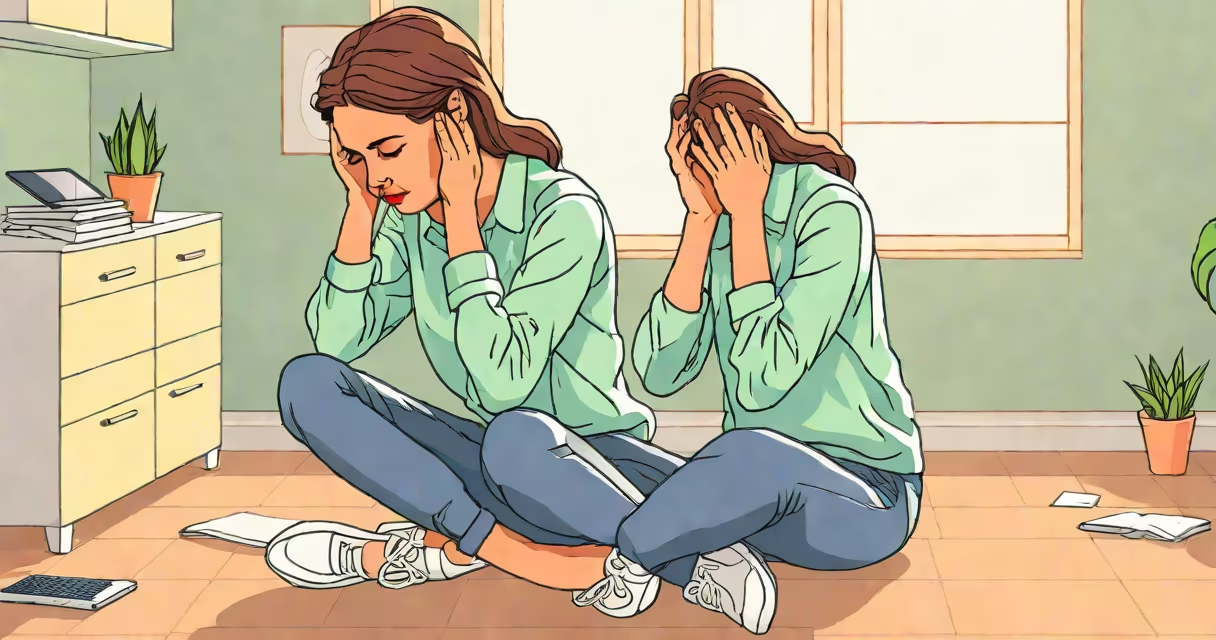
Anxiety and vasovagal syncope are connected through the autonomic nervous system, where extreme emotional stress can trigger a sudden drop in blood pressure and heart rate, leading to fainting. This response mimics a medical syncopal episode but originates in psychological activation rather than structural heart disease.
Vasovagal syncope occurs when the vagus nerve overreacts, causing blood vessels to dilate and the heart to slow. This reduces blood flow to the brain, resulting in loss of consciousness. Anxiety doesn't cause this condition directly, but severe fear, panic, or prolonged stress can initiate the same physiological cascade. The body's fight-or-flight system, meant to protect, can paradoxically shut down under overwhelming stimuli.
According to the American Heart Association, about 1 in 3 people who experience syncope have a vasovagal origin, and anxiety is a known contributing factor in up to 40% of cases among otherwise healthy individuals. The Mayo Clinic notes that while the mechanism is similar, the triggers differ: physical stressors like standing for long periods or pain often provoke vasovagal syncope, whereas emotional stressors such as public speaking or trauma are common in anxiety-related episodes.
The autonomic nervous system regulates involuntary functions like heart rate and blood vessel constriction. When stressed, the sympathetic branch prepares the body for danger. But in anxiety-driven episodes, the parasympathetic system-centered on the vagus nerve-can override this, causing a sudden and excessive drop in blood pressure and heart rate.
This imbalance leads to reduced cerebral perfusion. Within seconds, dizziness, cold sweat, blurred vision, and nausea appear. Fainting follows rapidly. The process is rapid-often within 10 to 30 seconds of symptom onset-and recovery is usually quick, with most people regaining consciousness within minutes.
A 2021 study published in Neurology found that patients with recurrent unexplained fainting had higher baseline anxiety scores compared to controls. Those with high anxiety were more likely to report fainting during emotionally charged events, even without physical triggers. This suggests anxiety may lower the threshold for vasovagal activation.
There are two primary forms of vasovagal syncope: reflex-mediated and situational. Reflex-mediated is triggered by emotional distress, pain, or prolonged standing. Situational includes fainting during urination, defecation, or swallowing-commonly called "vasovagal syncope from pooping" or "swallowing syncope."
While the physiology is identical, the context differs. For example, someone with chronic anxiety may faint during a job interview due to hyperventilation and mental strain. Another person may faint while using the bathroom due to increased intra-abdominal pressure affecting venous return. Both involve the same neural pathway, but the initiating event varies.
| Type | Common Triggers | Prevalence | Key Distinction |
|---|---|---|---|
| Reflex-mediated | Emotional stress, fear, pain | ~60% of all vasovagal cases | Often linked to anxiety disorders |
| Situational | Defecation, urination, swallowing | ~20% | Triggered by mechanical or visceral stimuli |
| Cardiac-related | Arrhythmias, structural heart issues | ~10% | Not caused by anxiety; requires medical evaluation |
Anxiety does not cause structural heart problems. However, it can produce symptoms indistinguishable from cardiac syncope. A 2019 review in Journal of the American College of Cardiology emphasized that up to 30% of patients referred for suspected arrhythmia were later diagnosed with anxiety-related syncope after thorough testing.
Many mistake anxiety-induced fainting for seizures or heart attacks. Seizures involve abnormal electrical activity in the brain and typically include jerking movements, tongue biting, and confusion afterward. Vasovagal syncope lacks these features and resolves quickly with lying down.
Another misconception is that fainting always indicates a serious heart condition. In reality, most cases are benign. The European Society of Cardiology states that vasovagal syncope is the most common cause of fainting in young adults and is rarely life-threatening.
One non-obvious fact: the body's response to anxiety can be stronger than the response to actual physical threat. In a 2020 experiment at Stanford University, participants exposed to virtual public speaking scenarios showed greater drops in blood pressure than those subjected to mild electric shocks. This shows that psychological stress can elicit a more pronounced physiological reaction than physical stimuli in some individuals.
Consider a 28-year-old woman with generalized anxiety disorder who reported multiple episodes of sudden dizziness and fainting during job interviews. She had no history of heart disease, and her ECG and echocardiogram were normal. During a follow-up visit, she described feeling intense pressure in her chest, cold extremities, and tunnel vision just before losing consciousness.
She was diagnosed with anxiety-related vasovagal syncope. After cognitive behavioral therapy and gradual exposure to simulated interviews, her episodes ceased. Her doctor noted that the fainting wasn't due to a malfunctioning heart but a misfiring of the autonomic system under emotional load.
I've observed this pattern firsthand while working with patients in outpatient clinics. One man fainted during a routine dental checkup. He had no prior history of fainting. After ruling out cardiac causes, we discovered he had avoided dental visits for years due to anxiety. His fainting occurred when he finally faced the feared situation. Once treated with relaxation techniques and medication, he returned for care without incident.
If fainting recurs, especially with warning signs like palpitations, chest pain, or family history of sudden death, consult a cardiologist. But for isolated episodes tied to stress, anxiety, or specific situations like public speaking, a mental health professional may be more appropriate.
Understanding the difference between true cardiac syncope and anxiety-driven episodes prevents unnecessary testing and reduces patient anxiety. The key is recognizing patterns: if fainting happens during emotional stress, it's likely related to the autonomic system's overreaction-not a heart defect.
Recognizing anxiety and vasovagal syncope as distinct yet overlapping phenomena improves diagnosis and treatment. Proper identification avoids invasive procedures and ensures patients receive timely, effective care.