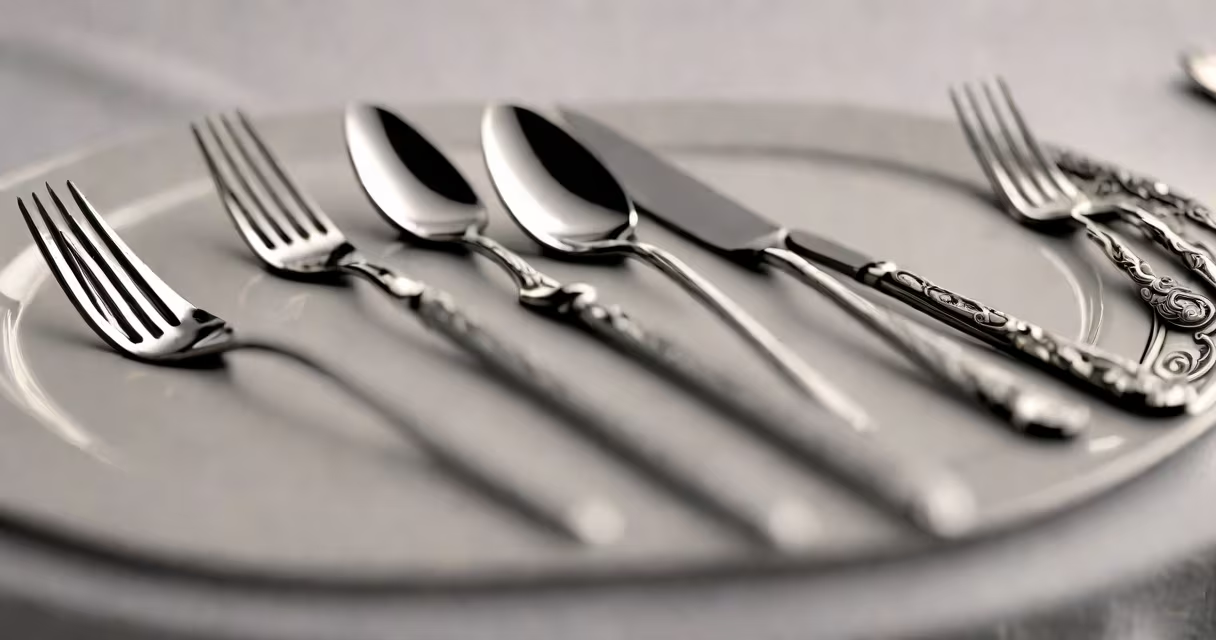
Cutlery refers to handheld tools used for eating, serving, or preparing food-such as knives, forks, spoons, and teaspoons. These items are essential in dining setups across cultures and are often grouped by function and material.
Every meal served at home or in restaurants relies on cutlery. A standard dinner setting includes a knife, fork, and spoon arranged in a specific order based on when each will be used. The knife cuts meat, the fork lifts food, and the spoon handles liquids or soft items like soup or mashed potatoes. This arrangement follows formal dining etiquette but remains practical even in casual settings.
Historically, cutlery evolved from simple tools made of bone, wood, or stone. By the 18th century, metal versions-especially silver and steel-became common among wealthier households. Today, cutlery is mass-produced in stainless steel, plastic, or biodegradable materials, depending on use and cost.
Each piece of cutlery performs a distinct role during a meal. Knives have sharp edges designed to slice through tough foods like steak or bread. Forks feature tines to pierce and hold food, especially solid items such as vegetables or pasta. Spoons have concave bowls to carry liquids or soft solids, making them ideal for soups, desserts, or cereals.
The design of each tool reflects its intended task. For example, a butter knife has a blunt edge and wide blade to spread soft food without tearing. A dessert spoon is smaller than a tablespoon and has a shallow bowl for scooping fruit or ice cream. Even the handle length matters-longer handles offer better grip and use for heavy tasks.
Modern cutlery often includes ergonomic features. Some spoons have textured grips to prevent slipping. Knives may have angled blades to reduce hand strain. These improvements make eating easier for people with limited dexterity, such as those with arthritis or Parkinson's disease.
Common types of cutlery fall into four categories: eating, serving, cooking, and specialty tools.
| Type | Use Case | Examples | Material Commonly Used |
|---|---|---|---|
| Eating | Consuming food at the table | Kitchen knife, dinner fork, salad spoon | Stainless steel, silver, ceramic |
| Serving | Transferring food from dish to plate | Server spoon, ladle, tongs | Stainless steel, silicone, wood |
| Cooking | Preparing food during mealtime | Peeler, spatula, whisk | Plastic, metal, wood |
| Specialty | Handling specific dishes or cultural practices | Chopsticks, paella fork, sushi knife | Bamboo, steel, titanium |
Material choice affects durability, weight, and appearance. Stainless steel is the most common due to its resistance to rust and ease of cleaning. Silver cutlery is valued for tradition and aesthetics but requires polishing to maintain shine. Plastic cutlery is lightweight and disposable, often used at picnics or events.
A lesser-known fact: the term "silverware" is often used interchangeably with "cutlery," but it technically refers only to pieces made of silver or silver-plated metal. Not all cutlery is silverware. A plastic spoon used at a school lunch is cutlery-but not silverware.
Cutlery is used in homes, restaurants, cafeterias, and outdoor events. Its presence signals formality, hygiene, and cultural expectation. In Japan, chopsticks are the primary eating tool, and using them properly is part of social etiquette. In contrast, Western dining traditions emphasize the knife-fork-spoon trio.
Restaurants use standardized cutlery sets to ensure consistency and efficiency. A typical restaurant table setting includes a dinner knife, dinner fork, salad fork, soup spoon, and teaspoon-all placed in order of use. This system prevents confusion and streamlines service.
One real-world example: at a Michelin-starred restaurant in Paris, servers place cutlery precisely-knife blade facing inward, fork tines downward. This arrangement ensures guests don't accidentally touch the blade while eating. The placement is not arbitrary-it follows decades-old protocol to maintain safety and elegance.
Many assume that all cutlery must be metal. But plastic, bamboo, and even paper-based cutlery exist. Disposable cutlery is widely used at festivals, weddings, and takeout meals. These alternatives reduce waste in single-use contexts but aren't suitable for long-term use.
Another misunderstanding is that cutlery is only for eating. In reality, many pieces serve multiple purposes. A chef's knife cuts meat, chops vegetables, and slices bread. A large spoon can stir batter, scoop rice, or serve soup. Functionality often overlaps based on context.
There's also confusion between cutlery and tableware. Tableware includes plates, bowls, glasses, and napkins-items that hold or contain food. Cutlery interacts directly with food. A fork is cutlery. A dinner plate is tableware. Confusing the two leads to incorrect ordering at events or mislabeling in kitchens.
During a family dinner in my home, I once mixed up a serving spoon with a dessert spoon. The result was a mess-soup spilled onto the table because the larger spoon held too much. That moment taught me that size and purpose matter. A teaspoon holds about 5 milliliters. A tablespoon holds 15 mL. Using the wrong one alters portion control and meal flow.
Understanding what cutlery means involves recognizing both its physical forms and cultural roles. It's not just about tools-it's about how we eat, share meals, and express care through preparation and presentation. From a child learning to use a butter knife to a professional chef selecting a precision knife, cutlery shapes daily rituals.