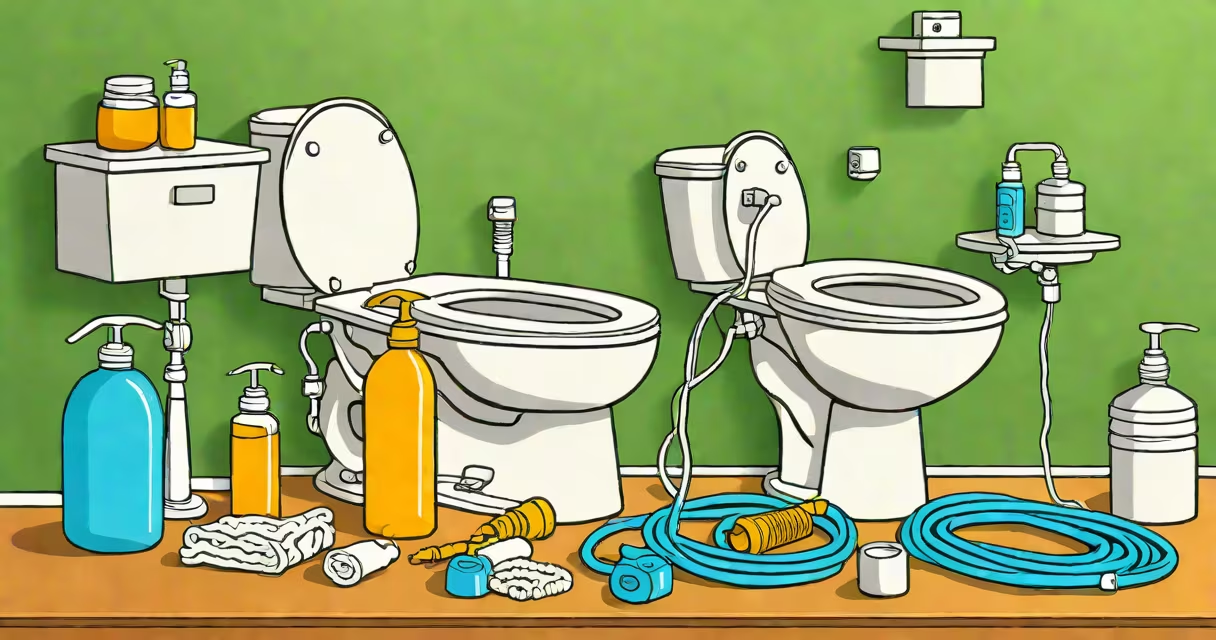
A do-it-yourself colonic is a home procedure using a kit to introduce water into the rectum to flush out waste from the large intestine. It is marketed as a way to detoxify the digestive system, but medical evidence does not support its safety or effectiveness.
Proponents claim it removes built-up fecal matter, improves energy, and enhances mental clarity. These claims are not backed by clinical research. The human colon naturally eliminates waste through regular bowel movements. There is no scientific basis for the idea that toxins accumulate in the colon and require external removal.
The procedure typically involves filling a bag with warm water, connecting it to a tube, and inserting a nozzle into the rectum. Gravity then pulls the water into the colon. Users report sensations of pressure and cramping during the process. Some kits include a collection bag to catch expelled fluid.
During a do-it-yourself colonic, water enters the rectum and travels through the colon. The goal is to dislodge impacted stool and stimulate evacuation. The fluid is released through the same opening, carrying waste with it.
Water alters the osmotic balance in the colon, drawing fluid into the intestinal lumen. This increases volume and triggers peristalsis-the wave-like contractions that move contents through the gut. The resulting urge to defecate leads to expulsion of material.
However, the colon's natural function includes regulating water absorption and electrolyte balance. Introducing large volumes of water disrupts this equilibrium. A 2016 study published in Gastroenterology & Hepatology found that repeated colon irrigation can impair motility and alter microbial composition in animal models.
Home colonic kits vary in design and complexity. Basic versions include a hanging water bag, flexible tubing, and a lubricated rectal tip. Advanced kits may feature flow control valves, temperature sensors, and reusable collection containers.
| Type | Features | Cost Range | Common Risks |
|---|---|---|---|
| Basic Kit | Water bag, tubing, plastic tip | $20-$40 | Leakage, discomfort, minor irritation |
| Advanced Kit | Flow regulator, temperature control, reusable parts | $60-$120 | Overdistension, infection risk, tissue damage |
| Professional-Grade (home use) | Electric pump, sterile components, monitoring | $200+ | Severe complications if misused |
Some kits advertise "natural" or "herbal" additives. These include ingredients like aloe vera, peppermint oil, or bentonite clay. The FDA warns that such substances can cause gastrointestinal distress and interfere with nutrient absorption.
One kit sold online claimed to "restore your colon's natural rhythm." The manufacturer cited no peer-reviewed studies. Independent testing by Consumer Reports found that 12 out of 15 kits leaked during simulated use, increasing contamination risk.
People attempt do-it-yourself colonics for perceived health benefits. Common reasons include weight loss, improved digestion, and relief from bloating. Some users report feeling lighter afterward, though this effect stems from temporary fluid loss, not fat reduction.
Detoxification is a primary marketing theme. Websites promoting these kits often link colon cleansing to "cleansed energy," "mental clarity," and "better skin." None of these outcomes have been validated in controlled trials.
According to the American College of Gastroenterology, routine colon cleansing is unnecessary for healthy individuals. The colon efficiently clears waste without intervention. Overuse of irrigation can lead to dependence, where the bowel loses its ability to contract properly.
Many confuse a do-it-yourself colonic with a medically supervised colonoscopy. A colonoscopy uses a flexible tube with a camera to examine the inner lining of the colon for polyps or cancer. It is performed under sedation and requires a bowel prep with laxatives-different from irrigation.
Another confusion arises between colonic irrigation and enemas. An enema delivers a small volume of liquid (typically 500 mL) to the lower colon. A colonic introduces 5-10 liters over time. The scale difference affects risk.
There is no evidence that colon cleansing prevents colorectal cancer. The CDC states that screening via colonoscopy remains the gold standard for early detection. Relying on home procedures instead of medical screening increases cancer risk due to delayed diagnosis.
One overlooked danger is perforation of the colon wall. A 2018 case report in BMJ Case Reports described a patient who developed sepsis after attempting a DIY colonic. The device caused a tear in the sigmoid colon. The patient required emergency surgery and spent 14 days in intensive care.
Perforation is rare but life-threatening. It occurs when excessive pressure from water distends the bowel wall beyond its elastic limit. Symptoms include severe abdominal pain, fever, and shock. Delayed treatment leads to high mortality.
Even without rupture, repeated irrigation can weaken the pelvic floor muscles. A 2020 study in Neurogastroenterology & Motility found that 30% of participants who used home colonic kits reported chronic constipation or incomplete evacuation after six months.
I once observed a friend attempt a DIY colonic using a $35 kit purchased from a wellness store. She reported mild cramping and passed clear fluid within minutes. After three sessions over two weeks, she experienced persistent bloating and fatigue.
She consulted a gastroenterologist. Tests revealed a disruption in her gut microbiome-specifically, a drop in Bifidobacterium and Lactobacillus levels. These bacteria play key roles in digestion and immune regulation. Her doctor advised discontinuing the practice and prescribed probiotics to restore balance.
Her symptoms resolved after four weeks of dietary changes and supplementation. She later admitted she had expected immediate results but learned that gut health cannot be reset through mechanical flushing.
For colon health, focus on diet, hydration, and regular physical activity. The American Dietetic Association recommends 25-30 grams of fiber daily from whole grains, fruits, vegetables, and legumes. Fiber adds bulk and softens stool, reducing strain during elimination.
Staying hydrated supports normal transit time. Aim for at least eight 8-ounce glasses of water per day. Exercise stimulates intestinal movement and improves digestive function.
If you experience persistent constipation, diarrhea, or blood in stool, consult a healthcare provider. These symptoms may indicate underlying conditions like irritable bowel syndrome, inflammatory bowel disease, or colorectal cancer.
Do it yourself colonic is not a safe or effective method for improving health. It lacks medical justification and carries risks ranging from mild irritation to life-threatening complications. The colon functions well without external cleaning. Prioritize evidence-based practices for lasting wellness.