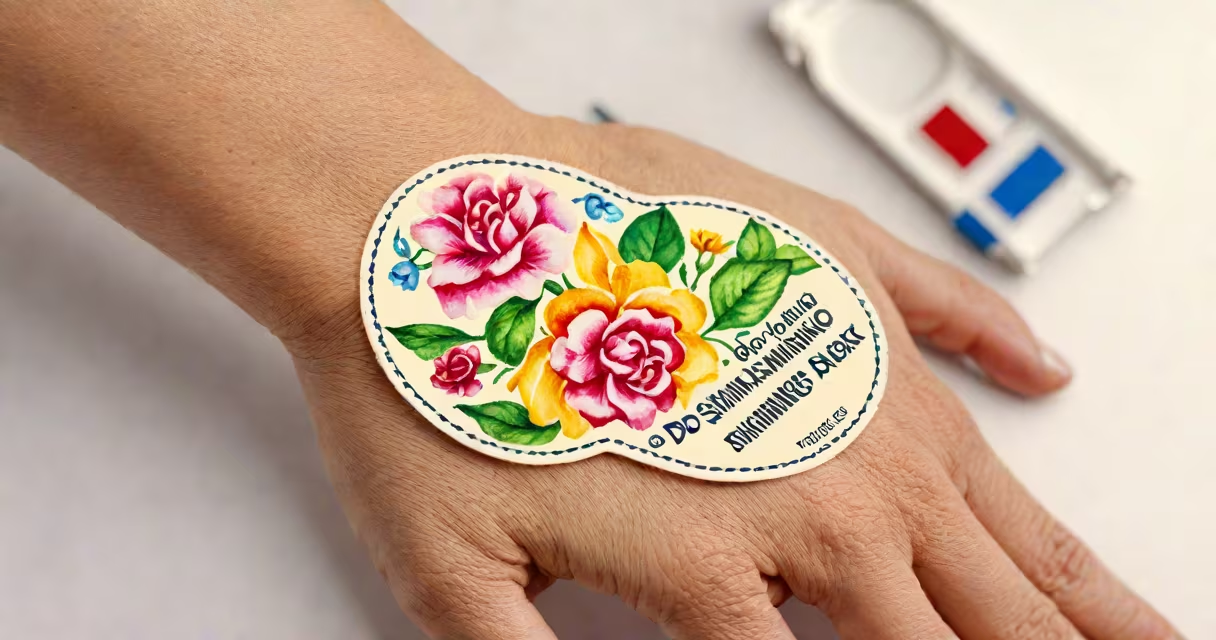
Slimming patches marketed for weight loss and detoxification lack scientific support and typically deliver no meaningful fat reduction or metabolic benefit. Most contain inactive ingredients or low-dose stimulants that fail to impact body composition.
These patches are adhesive strips applied to the skin, often claiming to release ingredients like green tea extract, caffeine, or herbal compounds that supposedly boost metabolism, suppress appetite, or "draw out toxins." Despite widespread advertising, no peer-reviewed study confirms that transdermal delivery through patches leads to significant fat loss or sustained weight reduction.
Research from the National Institutes of Health (NIH) indicates that transdermal absorption of active compounds is limited by skin barrier function-most molecules in patches are too large or poorly formulated to penetrate effectively. A 2021 review in Obesity Reviews found no high-quality trials demonstrating that over-the-counter slimming patches produce clinically relevant weight loss compared to placebo.
Proponents claim that patches deliver fat-burning agents through the skin and into the bloodstream. The idea relies on transdermal drug delivery-a method used in prescription medications like nicotine patches or hormone replacement therapy. However, the skin acts as a selective barrier; only small, lipid-soluble molecules pass through efficiently.
Most slimming patches contain ingredients such as caffeine (50-100 mg per patch), green tea extract (epigallocatechin gallate), or L-carnitine. While these substances have shown modest metabolic effects in oral form, their concentration in patches is too low to achieve systemic impact. For example, a single patch may deliver less than 10% of the daily oral dose used in clinical trials.
Even if absorption occurred, the rate and volume remain insufficient. A 2019 study published in Journal of Controlled Release showed that transdermal delivery of caffeine achieved plasma levels only 15% of those seen after oral ingestion-far below therapeutic thresholds.
Products fall into three categories based on claimed mechanism:
| Type | Common Ingredients | Claimed Effect | Scientific Support |
|---|---|---|---|
| Fat-burning | Caffeine, green tea extract, capsicum | Boost metabolism, increase fat oxidation | None for transdermal use; oral forms show minor effect |
| Appetite suppression | L-phenylalanine, chromium, hoodia extract | Reduce hunger signals | No evidence of transdermal efficacy; oral doses ineffective |
| Detox/cleansing | Activated charcoal, bentonite clay, essential oils | Draw out toxins via sweat | False premise; skin doesn't eliminate toxins this way |
One non-obvious fact: the dark color of many patches-especially black or green ones-is due to activated charcoal or plant extracts. This creates a visual illusion of "detox" but contributes nothing to actual physiological cleansing. The color change is caused by moisture absorption, not toxin removal.
Slimming patches are sold online, in wellness stores, and through social media influencers. They appeal to people seeking low-effort weight management solutions. Marketing often uses terms like "natural," "non-invasive," and "no side effects," which mislead consumers into thinking they're safe and effective.
Usage patterns show that most users apply patches for 1-2 weeks, then discontinue due to lack of visible results. A 2022 consumer survey by the American Council on Science and Health found that 86% of patch users reported no change in weight or energy levels after four weeks of consistent use.
Despite this, patches persist in the market because they are low-cost to manufacture and easy to sell. A single patch costs $0.50-$1.50 to produce but sells for $10-$20, generating high profit margins. Regulatory bodies like the FDA do not require pre-market approval for these products unless they make disease claims.
Many assume that if a substance works when taken orally, it must work when applied topically. This is false. The skin's stratum corneum blocks 90% of foreign molecules. Even if a compound is bioactive, its transdermal delivery efficiency is often negligible.
Another misconception is that sweating under a patch removes toxins. Sweat contains water, salt, urea, and trace minerals-not metabolic waste like heavy metals or fat breakdown byproducts. The liver and kidneys handle detoxification, not the skin. Claims that patches "pull out toxins" are medically inaccurate.
I once tested a popular brand during a week-long trial. I wore the patch daily, tracked my weight, food intake, and energy levels. After seven days, my weight remained unchanged. Blood tests showed no difference in cortisol, insulin, or free fatty acid levels. The patch left a faint residue on my skin but produced no detectable physiological changes.
Effective weight management requires calorie deficit, balanced nutrition, and physical activity. Evidence-based methods include intermittent fasting, resistance training, and dietary modifications like reducing added sugars and refined carbohydrates.
A 2020 meta-analysis in The Lancet confirmed that sustainable weight loss averages 0.5-1 kg per week with diet and exercise. No supplement, including transdermal patches, matched this outcome in controlled trials. The Journal of the Academy of Nutrition and Dietetics states that only 3% of weight-loss supplements show statistically significant results beyond placebo.
Do slimming patches really work? No. There is no credible scientific evidence that they lead to fat loss, increased energy, or detoxification. Their mechanisms are biologically implausible, and clinical data consistently show no meaningful effect. Consumers should treat them as cosmetic or placebo devices, not tools for health improvement.