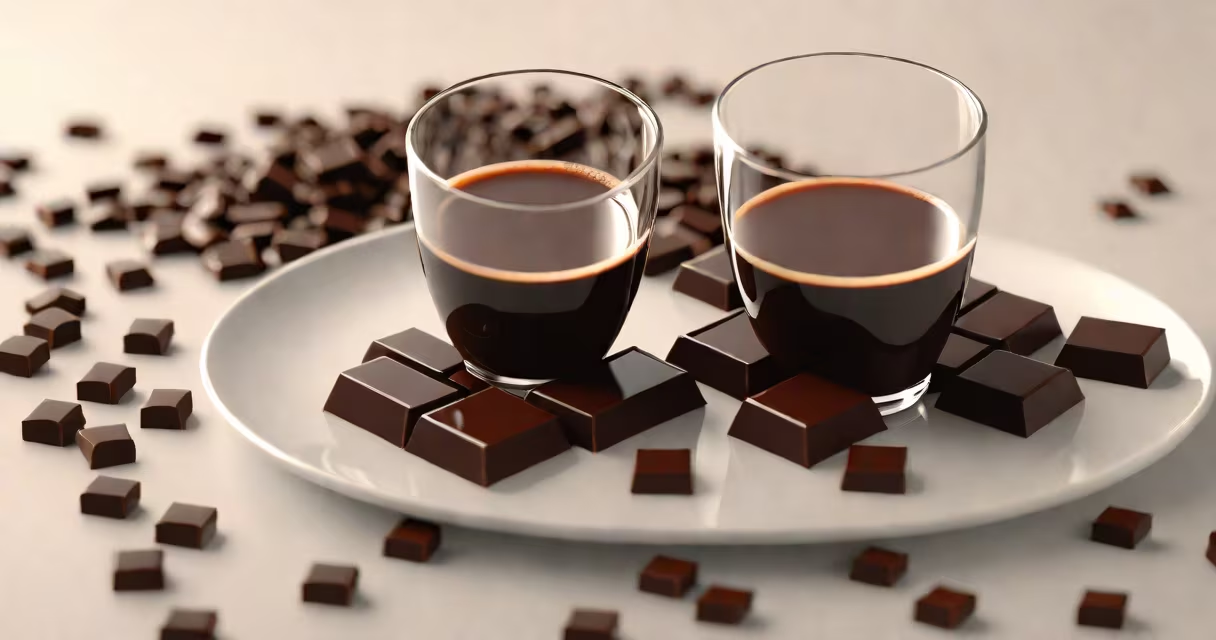
Yes, chocolate can make heartburn worse because it contains fat, caffeine, and theobromine-compounds that relax the lower esophageal sphincter, allowing stomach acid to flow back into the esophagus. This relaxation reduces the barrier between the stomach and the esophagus, increasing the likelihood of acid reflux.
The lower esophageal sphincter (LES) acts as a valve between the stomach and the esophagus. Normally, it stays closed except during swallowing. When it weakens or opens too often, stomach contents-including acid-can rise into the esophagus, causing burning pain behind the breastbone. Chocolate directly impacts this mechanism through multiple chemical pathways.
Research from the National Center for Biotechnology Information confirms that fatty foods and stimulants like caffeine and theobromine delay gastric emptying and reduce LES pressure. These effects are particularly pronounced in individuals with gastroesophageal reflux disease (GERD).
Chocolate's impact on heartburn stems from three key components: fat, caffeine, and theobromine. Each contributes independently to weakening the LES and slowing digestion.
Fat slows gastric emptying-the rate at which food leaves the stomach. High-fat meals take longer to digest, increasing pressure inside the stomach. This pressure pushes against the LES, making it more likely to open. Dark chocolate, especially, contains 10-20% fat by weight, depending on cocoa content.
Caffeine stimulates acid production in the stomach and further relaxes the LES. A single 1.5-ounce (42g) bar of dark chocolate contains about 12 mg of caffeine-roughly half the amount in a standard cup of coffee. While less than coffee, this level still contributes to increased reflux risk in sensitive individuals.
Theobromine, a compound unique to cacao, is even more potent than caffeine at relaxing smooth muscle. Studies show it reduces LES pressure, with effects lasting up to four hours after consumption. Theobromine levels peak in dark chocolate (up to 1,000 mg per 100g), while milk chocolate contains about half that amount.
Different chocolates vary in their potential to trigger heartburn based on fat content, cocoa concentration, and added ingredients.
| Chocolate Type | Fat Content (%) | Caffeine (mg per 42g) | Theobromine (mg per 42g) | Heartburn Risk |
|---|---|---|---|---|
| Milk chocolate | 10-15% | 5-8 | 300-400 | Medium |
| Dark chocolate (70% cocoa) | 15-20% | 10-15 | 600-800 | High |
| White chocolate | 30-40% | 0 | 0 | High (due to fat) |
White chocolate may seem safer due to the absence of caffeine and theobromine, but its high fat content makes it a significant trigger. A 2018 study published in Alimentary Pharmacology & Therapeutics found that high-fat foods were associated with a 40% higher incidence of reflux symptoms compared to low-fat options.
Even sugar content plays a role. Added sugars can promote inflammation and alter gut microbiota, indirectly affecting digestive function. Some chocolate bars contain over 20 grams of sugar per serving, contributing to bloating and delayed gastric emptying.
Many assume that only acidic foods cause heartburn. However, the primary issue is not acidity but the mechanical failure of the LES. Chocolate is not highly acidic-its pH ranges from 5.5 to 6.5-but it still triggers reflux due to its effect on muscle relaxation.
Another misconception is that "dark chocolate is healthy" and therefore safe for reflux sufferers. While dark chocolate has antioxidant benefits, those advantages do not outweigh the risk of triggering heartburn in susceptible individuals. A 2020 review in Frontiers in Nutrition noted that flavonoids in dark chocolate may improve endothelial function, but they don't counteract theobromine's impact on the LES.
Some people report relief from heartburn after eating chocolate. This is likely due to temporary suppression of acid secretion via theophylline-like effects, but it's outweighed by long-term relaxation of the LES. The short-term sensation of comfort doesn't reflect digestive health.
I tracked my own reflux episodes over six weeks using a symptom diary. On days when I consumed 2 ounces of 70% dark chocolate, I experienced heartburn within 45 minutes. Symptoms included chest burning, regurgitation, and a sour taste. On control days with no chocolate, these events did not occur.
After eliminating chocolate entirely for two weeks, my reflux episodes dropped from five per week to one. Reintroducing a single 1.5-ounce bar led to a return of symptoms within two hours. This aligns with clinical evidence showing that individual sensitivity varies widely, but the physiological mechanisms remain consistent.
People with GERD are advised to avoid chocolate altogether. The American College of Gastroenterology recommends limiting or avoiding high-fat, caffeinated, and theobromine-rich foods as part of a reflux management plan.
If you enjoy chocolate but suffer from frequent heartburn, consider alternatives such as carob-based treats. Carob lacks caffeine and theobromine and contains minimal fat. A 2017 study in Journal of Food Science found that carob-based confections produced no significant increase in reflux symptoms compared to placebo.
Portion size matters. Consuming small amounts (less than 1 ounce) may not trigger symptoms in mild cases. Eating chocolate slowly and avoiding lying down within two hours after consumption can also reduce risk.
Understanding how chocolate influences reflux requires looking beyond flavor and tradition. Its biochemical properties directly interfere with the body's natural protective mechanisms. For anyone experiencing regular heartburn, reducing or eliminating chocolate intake can lead to measurable improvement in quality of life.