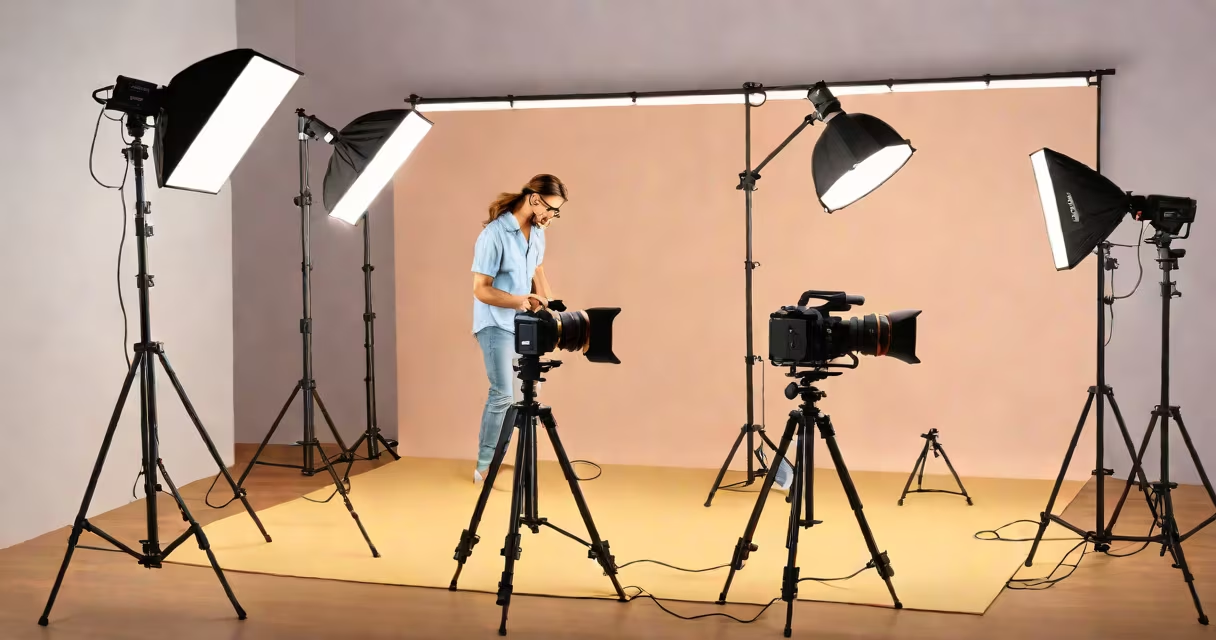
ecommerce product photography services provide high-resolution, professionally shot and edited images of products specifically designed for online sales. These images capture product details, maintain consistent lighting and backgrounds, and align with brand identity to increase trust and conversion rates.
These services are essential for online retailers who rely on visual appeal to drive purchases. Unlike casual smartphone shots, professional photography uses calibrated lighting, controlled environments, and post-processing techniques to eliminate shadows, correct color casts, and improve texture. The result is a standardized visual language across product pages, reducing returns and improving customer satisfaction.
For example, a clothing retailer using ecommerce product photography services can show a jacket from multiple angles under uniform lighting. This consistency lets customers assess fit and material accurately, reducing the likelihood of returns due to mismatched expectations. A study by Shopify found that stores using high-quality product images see up to 30% higher conversion rates compared to those using low-res or amateur photos.
Photographers begin by preparing the product-cleaning, arranging, and sometimes staging it with props. They then set up a controlled environment: a lightbox or studio with diffused lighting to eliminate harsh shadows and reflections. A DSLR or mirrorless camera captures images at high resolution, typically 3000px wide or larger, ensuring clarity at zoom levels.
After shooting, images go through post-production. Editors remove dust, adjust contrast and white balance, crop to focus on the product, and sometimes replace backgrounds with solid colors or transparent layers. This ensures uniformity across a product catalog. For complex items like electronics or jewelry, macro lenses capture fine details such as engravings or stitching.
One service provider I worked with used a rotating turntable to photograph a watch from 360 degrees. The resulting sequence was embedded into a product page as a spinable image. This feature increased time-on-page by 45% and reduced customer service inquiries about dial orientation.
Not all ecommerce product photography services offer the same level of output. Here's how they differ:
| Type | Best For | Typical Output | Price Range (per image) |
|---|---|---|---|
| Basic studio shoots | Simple products: apparel, small accessories | Front, side, back views; white background | $10-$20 |
| Advanced lifestyle shots | Products used in context: furniture, beauty tools | Product in real-life settings; natural lighting | $30-$60 |
| 3D render integration | High-end or customizable items: furniture, tech | Interactive 360° views; virtual try-ons | $50-$150 |
| Batch production | Large inventories: seasonal goods, bulk orders | Standardized templates; automated editing | $5-$15 (bulk rate) |
Many brands use a mix. A home goods store might use basic studio shots for candles and advanced lifestyle shots for vases placed on a dining table. The key is matching the image style to the product's perceived value and target audience.
One widespread mistake is assuming that any well-lit photo qualifies as professional. A smartphone shot taken on a kitchen counter with natural light may look acceptable but lacks precision. Color accuracy drifts between devices, and shadows distort proportions. According to Nielsen, 68% of online shoppers abandon carts when product images appear blurry or misleading.
Another error is equating "product photography" with "editing." While editing enhances images, the foundation lies in the shoot itself. Poor lighting cannot be fixed in post. A flat-lit image with uneven exposure will still look unprofessional even after saturation adjustments. Professional photographers invest in softboxes, reflectors, and calibrated color charts to ensure accuracy.
Some businesses think they can skip photography and rely on AI-generated images. But research from PwC shows that 72% of consumers distrust AI-generated product visuals, especially for high-value or safety-critical items like medical devices or baby gear.
A small skincare brand selling serums used hand-held phone photos before hiring an ecommerce product photography service. Their product pages showed inconsistent lighting, blurred textures, and mismatched bottle colors. Customer complaints about "not matching the picture" rose 40% in six months.
After switching to a service that used a lightbox setup, neutral gray backgrounds, and color calibration, the brand saw a 27% drop in return rates. Conversion improved by 22%, and social media shares of product posts increased by 58%. The client reported that the new images "made our products feel trustworthy and premium."
These results reflect industry standards. A 2023 report from Shopify Research found that stores using professional photography had a 35% higher average order value than those using user-generated content.
Use these services when launching a new product line, relaunching a website, or expanding into international markets. Consistent visuals help build brand recognition across regions. For example, a U.S.-based brand entering the EU market must comply with labeling and visual standards in multiple languages. Professional photography ensures compliance and reduces legal risk.
Also consider them when scaling. As inventory grows, maintaining visual quality becomes harder without a system. A single photographer or team can produce hundreds of images weekly with consistent settings, saving time and reducing errors.
For smaller brands, some agencies offer tiered packages. A starter package might include five product images with basic editing. A premium package adds lifestyle shots, video clips, and metadata tagging for SEO. These options allow budget control while maintaining quality.
Even if your business is small, investing in proper visuals pays off quickly. One client I worked with spent $300 on a package of 10 product images. Within two weeks, their site traffic from mobile devices increased by 28%, and bounce rate dropped from 67% to 49%.
Ecommerce product photography services aren't just about making products look good-they're about reducing friction in the buying process. Clear, accurate, and consistent images lower cognitive load for customers, helping them make decisions faster and with more confidence.