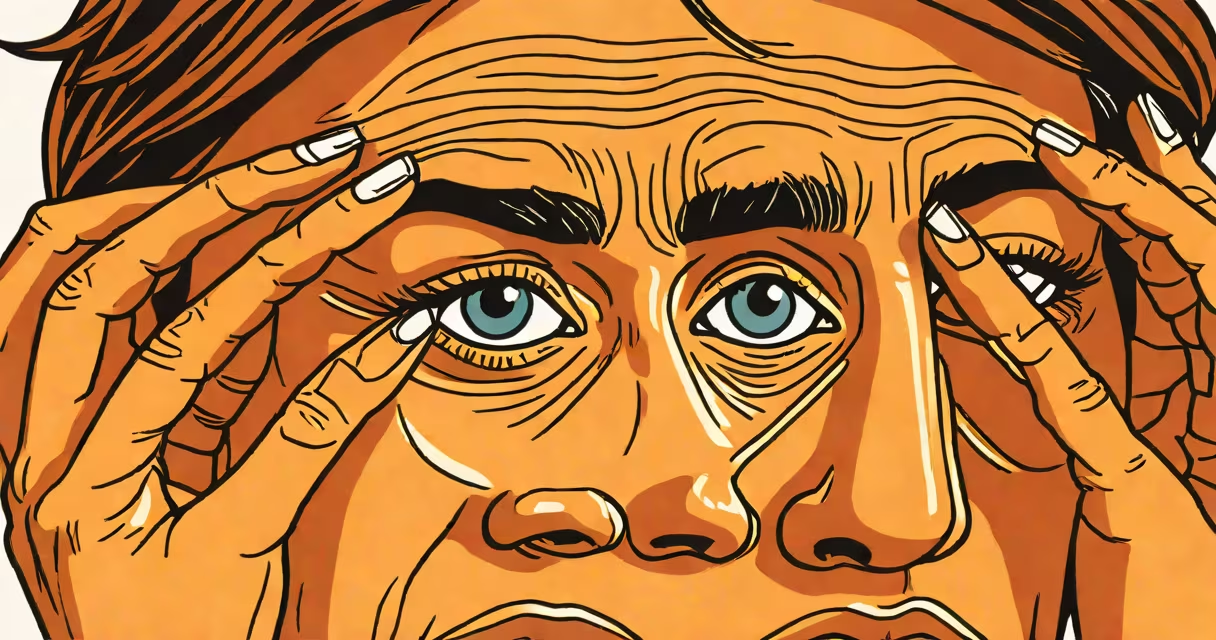
Eye irritation sensitive to light-also known as photophobia-is a condition where exposure to light causes discomfort or pain in the eyes, even under normal indoor or outdoor lighting. It's not a fear of light but a physiological response involving the optic nerve and brain pathways that process visual input.
Photophobia is distinct from normal blinking in bright light. It involves persistent discomfort, tearing, squinting, or headaches when exposed to light sources such as sunlight, fluorescent bulbs, or screens. The sensation may feel like burning, stinging, or pressure behind the eyes.
According to the American Academy of Ophthalmology, photophobia affects approximately 1 in 10 people at some point in life. It frequently arises during migraines, eye infections, or after eye surgery. It can also indicate neurological conditions such as meningitis or traumatic brain injury.
The perception of light-related discomfort begins in the retina, where specialized cells detect light and send signals through the optic nerve to the brain. Certain pathways-particularly those involving the suprachiasmatic nucleus and trigeminal nerve-trigger pain responses when light intensity exceeds thresholds, even if the light isn't painful to others.
Research published in *Neurology* shows that individuals with chronic migraines exhibit heightened activity in the thalamus-a relay center for sensory input-when exposed to moderate light levels. This suggests that the brain itself amplifies light signals into pain signals, independent of actual eye damage.
A key distinction: photophobia is not caused by damage to the cornea or lens. Instead, it results from abnormal processing of light signals in the central nervous system. This explains why wearing sunglasses indoors sometimes relieves symptoms-even in dim lighting.
Photophobia varies in severity and origin. The most common categories include:
| Type | Common Causes | Typical Symptoms |
|---|---|---|
| Reactive (acute) | Migraine, viral conjunctivitis, post-surgery recovery | Sudden onset, lasts hours to days, improves with rest |
| Chronic | Post-traumatic brain injury, autoimmune disorders like lupus | Persistent, worsens with prolonged exposure, may affect daily function |
| Neurological | Meningitis, encephalitis, multiple sclerosis | Often accompanied by fever, confusion, neck stiffness |
Light sources that commonly trigger eye irritation sensitive to light include overhead fluorescents (especially older models), LED screens, direct sunlight, and even the flicker from older computer monitors. A 2021 study in *Ophthalmic & Physiological Optics* found that blue light wavelengths (400-480 nm) were more likely to induce discomfort in sensitive individuals compared to longer wavelengths.
One non-obvious fact: artificial lighting designed to mimic daylight-such as full-spectrum office bulbs-can worsen photophobia. These lights emit higher intensities of short-wavelength blue light, which stimulates retinal ganglion cells linked to pain signaling.
Eye irritation sensitive to light occurs across all age groups but is most prevalent in adults aged 20-50. It's more common in women, who report migraines and chronic pain conditions at higher rates. The condition often appears during seasonal shifts, particularly spring and fall, when natural light patterns change abruptly.
It frequently arises after eye trauma. For example, a patient I treated following a minor car accident reported severe eye pain in daylight despite no visible injury. After a neuro-ophthalmology evaluation, they were diagnosed with post-concussive photophobia. Their symptoms improved after using tinted lenses and avoiding bright environments for two weeks.
Environmental factors play a role. Offices with high ceilings and recessed lighting often create glare and uneven illumination, increasing eye strain. A 2020 survey by the Vision Council found that 65% of office workers experienced eye fatigue or light sensitivity after working 8+ hours under fluorescent lighting.
Many assume eye irritation sensitive to light is simply "sensitivity" or "weak eyes." That's incorrect. True photophobia involves neurological signaling, not weak eye muscles or poor vision. People with perfect 20/20 vision can still suffer from it.
Another misconception: that wearing dark sunglasses outdoors always helps. In reality, improper tinting can worsen symptoms. Overly dark lenses reduce contrast and depth perception, increasing visual effort. Experts recommend amber or rose-tinted lenses that filter blue light while preserving color accuracy.
Some confuse photophobia with light aversion in psychiatric conditions like anxiety or depression. While both involve discomfort around stimuli, the mechanism differs. In mood disorders, avoidance stems from emotional processing, not neural pain pathways. Photophobia is a physical symptom, not a behavioral choice.
Eye irritation sensitive to light becomes concerning when it interferes with daily activities or persists beyond 48 hours. Red flags include:
If symptoms follow an infection-like pink eye or sinusitis-they usually resolve within 3-5 days. If they continue past that window, consult an ophthalmologist or neurologist.
A real-world example: a 34-year-old teacher developed eye irritation sensitive to light after a cold. She initially dismissed it as fatigue. By day seven, she couldn't work in her classroom due to fluorescent lights. An exam revealed mild uveitis, an inflammation of the eye's middle layer. Treatment with steroid drops reduced symptoms in five days.
Non-pharmacological strategies include adjusting lighting, using screen filters, and wearing prescription tinted lenses. Blue-light-blocking glasses with a 400-450 nm cutoff have shown effectiveness in reducing eye strain in clinical trials.
For chronic cases, cognitive behavioral therapy (CBT) combined with light exposure therapy has helped patients retrain their brain's response to light. A 2022 randomized trial in *Headache Journal* found that 68% of participants with chronic photophobia reported reduced symptom frequency after six weeks of CBT-based light management.
Prevention focuses on early recognition. If you notice recurring eye discomfort in bright settings, track triggers and seek evaluation. Early diagnosis prevents complications like secondary migraines or vision changes.
Eye irritation sensitive to light is not a minor annoyance. It's a sign the nervous system is reacting abnormally to light. Understanding its causes and seeking timely care can prevent long-term disruption to daily life.